
 EN
EN



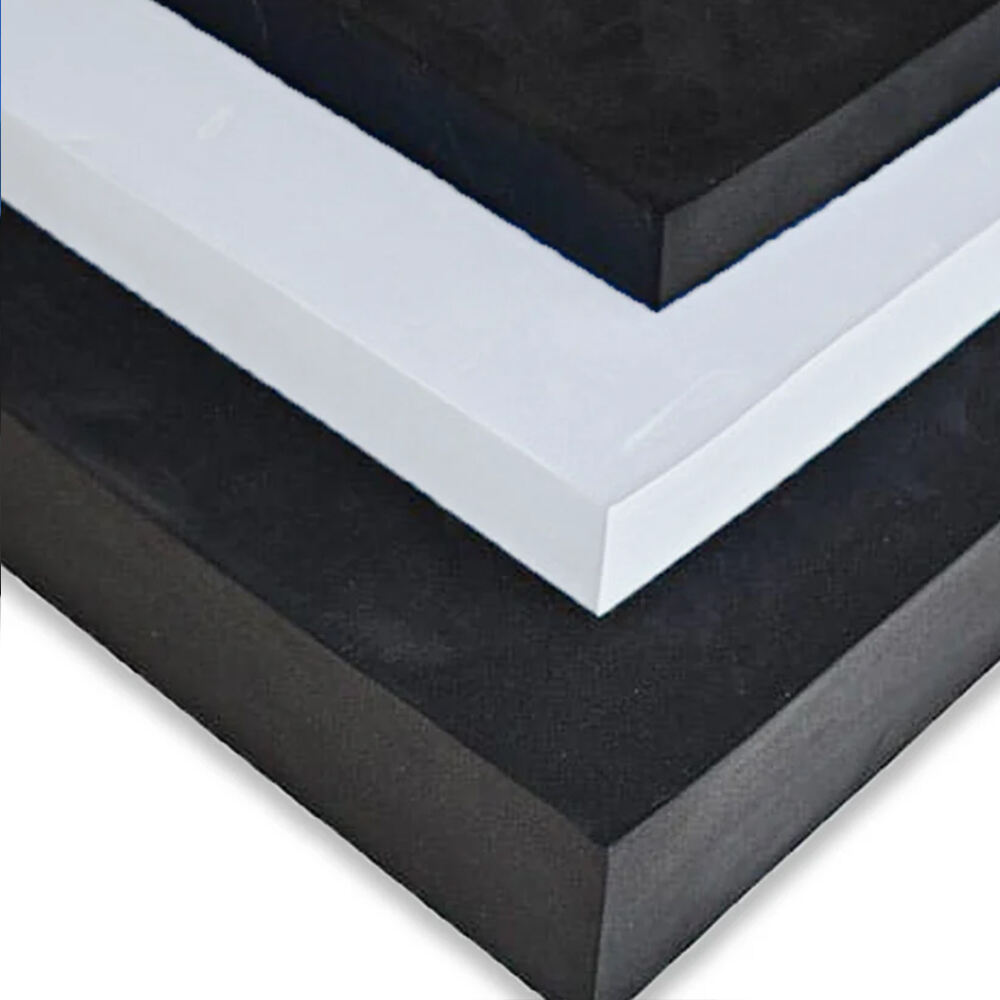
What Makes EVA Foam Inherently Lightweight?
EVA foam material definition and composition
EVA foam, short for Ethylene Vinyl Acetate, gets made when manufacturers blend together ethylene and vinyl acetate molecules, creating this special closed cell structure full of tiny air pockets. Manufacturers can actually adjust how much vinyl acetate goes into the mix, usually somewhere around 10 to 40 percent, which lets them tweak how flexible or strong the final product becomes. What makes EVA so light? Those same air pockets that give it character. They cut down on overall weight without making the material fall apart under stress, something that matters a lot in many industrial applications where weight savings are important but structural integrity cannot be compromised.
Physical properties: Low density and high buoyancy
EVA foam is really light stuff, with densities between 0.03 and 0.20 grams per cubic centimeter, which makes it roughly one tenth as dense as natural rubber. Because of its closed cell design, water just can't get inside, so it floats pretty well too. Tests show this material can actually hold up around thirty times its own weight when submerged in water. That's why many boat builders and manufacturers of water sports equipment turn to EVA for their designs. Plus, all that trapped air inside works great as insulation against cold temperatures, making EVA a popular choice for things like insulated coolers and winter boots used outdoors.
Weight-to-strength ratio and cellular structure
What makes EVA foam so special is how it balances weight against strength thanks to those little air pockets inside. Think of each cell as acting like mini cushions that spread out force when something hits them, all without making the material heavier. We're talking about compressive strengths ranging from around 50 to 200 kilopascals even when the density stays under 0.2 grams per cubic centimeter, which beats most conventional foams hands down. Another plus point? Those sealed cells stop water from getting in, so there's no extra weight creeping in over time or materials breaking down prematurely. Put this all together and what do we get? Components made from EVA tend to weigh about 40 percent less than their rubber counterparts but still hold up just as well in terms of lasting power.
Advantages of EVA Foam in Portable Product Design
Enhancing portability through lightweight material selection
EVA foam makes things easier to carry around because it's light but still holds up well structurally. What really stands out is how much stronger this material is compared to its weight. Products made with EVA can be lighter without falling apart or losing their shape. Take running shoes as an example many brands now use EVA midsoles instead of rubber. These shoes end up being about thirty percent lighter than traditional models yet still provide the same level of support and shock absorption. Another great feature of EVA is that it floats pretty well which comes in handy for stuff we take along when traveling or working outdoors. Marine equipment manufacturers love this property too since lighter materials mean better handling on boats and less strain during long trips at sea.
Balancing durability and low weight for mobile applications
EVA foam can handle around five times as many compression cycles compared to regular polyurethane before it starts to deform, which means it lasts much longer when subjected to constant pressure or impacts. Plus, EVA weighs about 20 percent less than other similar foams on the market, so it's becoming pretty popular in things like athletic gear and luggage. What really sets it apart though is that closed cell design that keeps water out. Traditional foams tend to break down over time when exposed to damp conditions, but EVA maintains its shape and functionality even after repeated exposure to moisture. That makes all the difference for products used outdoors or in places where humidity is a concern.
Real-World Applications in Footwear and Sports Gear
EVA foam in athletic footwear for comfort and mobility
Most running shoes these days have EVA foam in them, especially in the midsole area where it usually makes up around 60 to 70 percent of the material. When runners hit the pavement, this stuff cuts down on impact force by roughly 40% compared to traditional rubber soles. That means feet stay more comfortable throughout workouts and there's less chance of getting hurt from repeated stress. What really stands out about EVA is how flexible it stays even after years of wear. This lets feet move naturally instead of being restricted. Plus, since EVA weighs so little, athletes don't get as tired during long training sessions. Research backs this up too showing folks report about 15% less fatigue when wearing shoes made with EVA materials over longer distances. No wonder manufacturers keep coming back to EVA time and again for their performance shoe lines.
Use in wearable fitness devices and protective sports equipment
Wearable fitness trackers often incorporate EVA foam because it feels gentle against the skin while still keeping sensors accurate even when someone moves around. When it comes to protective equipment such as helmets, knee pads, and those rubber mouthpieces athletes wear, EVA really shines. It absorbs impacts nicely without getting heavy or holding onto water, which makes all the difference for folks playing water sports out on the ocean or lake. What's great about EVA is how easily it can be shaped to fit different body parts exactly where they need extra protection without making movement awkward. No wonder so many manufacturers have turned to this material over the years. Sports engineers just cant seem to get enough of it these days given its combination of protection, comfort, and featherlight properties.
Expanding into Marine and Consumer Portable Products
EVA foam in marine environments: Flotation and water resistance
EVA foam works really well in marine environments because it floats, doesn't soak up water, and lasts a long time. That's why we see it used so much in things like life jackets, those rubbery bumpers at docks, and various kinds of flotation gear. These products need to stay light but still offer solid support, which is super important for both safety reasons and just plain practical handling. Most other materials would fall apart or get eaten away by saltwater, but EVA holds up pretty darn well. Some tests show it can resist mold and bacteria growth for around five years or more in seawater conditions. The stuff typically weighs between 0.15 and 0.25 grams per cubic centimeter, which makes it surprisingly good at absorbing shocks without getting damaged. Boats benefit from this when they're docking, and ship owners appreciate how long these EVA components last even when exposed to tough ocean conditions day after day.
Portable packaging and travel accessories using EVA foam
Travelers are turning to EVA foam for their gear these days because it cuts down on weight by about half compared to regular plastic stuff, yet still gives that tough military level protection when things get bumped around. The market for this kind of portable protection has been growing steadily at around 7.9% each year as people want lighter but durable options. What makes EVA so great is how easily it can be shaped into just the right fit inside camera cases or suitcases, keeping all those fragile items from bouncing around during trips. We've seen some pretty cool innovations too like super thin laptop sleeves weighing less than 200 grams that actually hold up against serious pressure tests. And don't forget the collapsible water bottles and folding containers that bounce back to their original shape after being squished countless times thanks to EVA's memory properties. These features make them perfect for travelers looking to pack smart without sacrificing protection.
FAQ Section
What is EVA foam?
EVA foam is a lightweight material made by blending ethylene and vinyl acetate. Its closed cell structure, filled with air pockets, contributes to its lightness and durability.
Why is EVA foam popular in portable products?
EVA foam is preferred in portable products due to its low weight and structural integrity, enhancing portability without compromising durability.
How does EVA foam perform in marine environments?
In marine environments, EVA foam offers excellent flotation and water resistance, making it ideal for life jackets and dock bumpers due to its durability against saltwater conditions.
Can EVA foam be used in sports equipment?
Yes, EVA foam is used in athletic footwear and protective sports equipment like helmets and knee pads due to its impact-absorbing properties without adding significant weight.
What are common uses of EVA foam in consumer products?
EVA foam is commonly used in travel accessories, packaging, and portable protection products like camera cases and collapsible water bottles due to its lightweight and durable nature.