
 EN
EN


Introduction: The Versatility of EVA Foam in Modern Manufacturing
As a leading manufacturer of high-quality foam materials with over 40 years of industry expertise through the SANSD Group, Quanzhou Wefoam Trading Co., Ltd understands the remarkable versatility of Ethylene-Vinyl Acetate (EVA) foam. This innovative material has transformed countless industries, from footwear to industrial applications, thanks to its unique combination of durability, flexibility, and customization potential. In this comprehensive guide, we’ll explore professional techniques for creating durable EVA foam projects that stand the test of time, drawing from our extensive experience producing premium EVA, PE, EPDM, and TPE foam materials for global clients.
Understanding EVA Foam: Material Properties and Selection
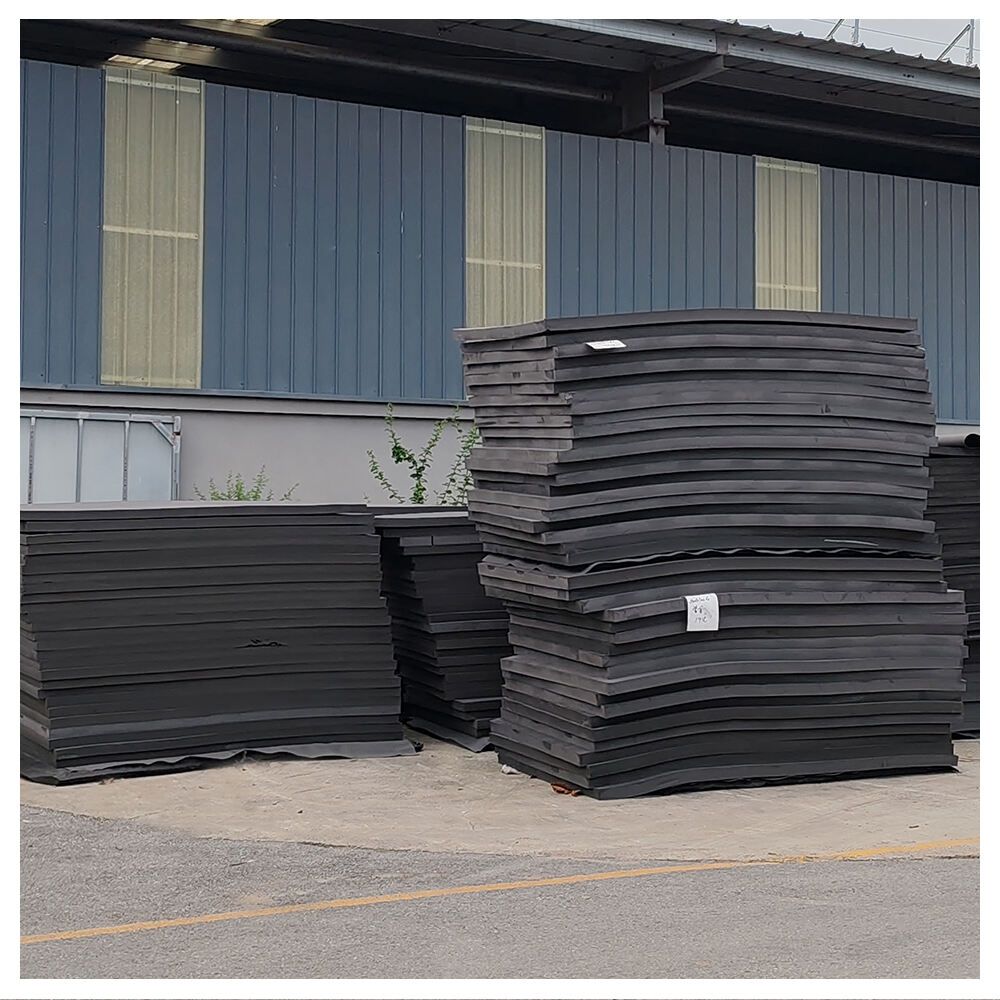
Before beginning any EVA foam project, it’s crucial to understand the material’s fundamental characteristics. EVA foam represents a closed-cell structure that provides excellent water resistance, shock absorption, and resilience. At Wefoam, we manufacture EVA foam materials ranging from soft to hard densities and from low to high elasticity, allowing crafters and manufacturers to select precisely the right material for their specific application.
Key Material Considerations:
Density Selection: Higher density EVA foam offers greater durability and rigidity, ideal for applications requiring structural support
Elasticity Range: Depending on your project requirements, you can select from various elasticity grades
Thickness Options: From micro-pore foam to ultra-thick foam boards, thickness significantly impacts both functionality and durability
Surface Texture: Smooth, embossed, or laminated surfaces affect both aesthetics and performance
Step-by-Step Guide to Creating Durable EVA Foam Projects
Step 1: Design and Planning Phase
Every successful EVA foam project begins with thorough planning. Consider the intended application—whether for sports shoes, protective packaging, gym equipment, or marine decking—as this determines material specifications. Create detailed templates using durable materials, accounting for the foam’s compression and expansion properties.
Professional Tip from Wefoam Experts: When designing for high-wear applications like footwear or gym mats, incorporate reinforced areas in your pattern where stress concentrations occur. Our custom processing division regularly helps clients optimize designs for enhanced durability.
Step 2: Material Selection and Preparation
Selecting the appropriate EVA foam grade is critical for durability. For projects requiring exceptional longevity, consider cross-linked EVA foam, which offers enhanced resistance to compression set and environmental factors. At Wefoam, our EVA foam materials undergo rigorous quality control to ensure consistent density and cellular structure, providing reliable performance across production batches.
Preparation Checklist:
Allow materials to acclimate to workshop temperature and humidity
Clean cutting surfaces to prevent contamination
Verify material thickness and density match project specifications
Plan grain direction for anisotropic materials
Step 3: Precision Cutting Techniques
Accurate cutting ensures proper fit and reduces stress points that can compromise durability. While basic projects may use utility knives, professional applications benefit from specialized equipment.
Advanced Cutting Methods:
Die Cutting: Ideal for high-volume production of consistent shapes
CNC Routing: Provides exceptional precision for complex geometries
Hot Wire Cutting: Creates smooth edges on thicker foam materials
Water Jet Cutting: Maintains material integrity without compression
Our manufacturing facilities utilize state-of-the-art cutting technologies to produce oversized foam boards, rolls, and precisely dimensioned mats for diverse industrial applications.
Step 4: Forming and Shaping Processes
Shaping transforms flat EVA foam sheets into three-dimensional objects. The method depends on your project complexity and volume requirements.
Professional Forming Techniques:
Heat Forming: Using controlled heat sources to make EVA foam pliable for shaping around molds
Compression Molding: Applying heat and pressure to create dense, durable components
Vacuum Forming: Excellent for creating consistent shapes with detailed surface textures
At Wefoam, our custom molding services help clients achieve complex shapes with consistent material properties, ensuring optimal durability in finished products.
Step 5: Bonding and Assembly Methods
Proper adhesion is crucial for multi-component EVA foam projects. Different adhesives work better with specific EVA formulations.
Durable Bonding Solutions:
Contact Cements: Provide strong, flexible bonds ideal for foam-to-foam connections
Hot Melt Adhesives: Offer quick setting times for production environments
Two-Part Polyurethane Adhesives: Create exceptionally durable bonds for high-stress applications
Solvent-Based Adhesives: Partially dissolve foam surfaces to create molecular-level bonds
Expert Insight: Test adhesive compatibility with your specific EVA foam formulation. Our technical team regularly assists clients in selecting appropriate bonding solutions for their specific applications.
Step 6: Surface Finishing and Protection
Surface treatments enhance both appearance and durability. For high-wear applications like marine decking or gym pads, protective finishes significantly extend service life.
Professional Finishing Techniques:
Heat Sealing: Creates a durable skin layer that resists abrasion
Protective Coatings: Polyurethane or acrylic coatings provide UV and chemical resistance
Fabric/Leather Lamination: Adds wear surfaces while maintaining underlying cushioning
Texture Embossing: Improves grip and masks wear patterns
Our custom processing division specializes in fabric/leather lamination, drilling, and other finishing techniques that enhance both functionality and durability.
Step 7: Quality Testing and Validation
Before deploying your EVA foam project in its intended application, conduct appropriate durability testing based on expected use conditions.
Essential Testing Protocols:
Compression set testing to evaluate long-term deformation resistance
Flex testing for applications requiring repeated bending
Abrasion resistance testing for high-wear surfaces
Environmental testing for UV, moisture, and temperature resistance
Advanced Techniques for Enhanced EVA Foam Durability
Composite Construction Methods
Combining EVA foam with other materials creates composite structures with superior performance characteristics. At Wefoam, we regularly produce laminated materials that combine the cushioning of EVA foam with the wear resistance of reinforced textiles or the structural support of rigid substrates.
Density Grading Strategies
Strategic placement of different density foams within a single component can optimize durability while maintaining comfort. This technique is particularly valuable in sports shoe midsoles and protective equipment.
Reinforcement Integration
Embedding reinforcing materials within EVA foam structures enhances durability in specific stress areas. Common reinforcements include textile meshes, plastic inserts, and fiber reinforcements.
Applications Spotlight: Durable EVA Foam Solutions
Footwear Industry
Our EVA foam materials provide the perfect balance of cushioning and durability for sports shoes, combining energy return with long-term compression resistance.
Protective Packaging
Custom-molded EVA foam creates protective enclosures that withstand repeated use in industrial and commercial applications.
Marine and Outdoor Applications
Specially formulated EVA foam with enhanced UV and moisture resistance provides durable solutions for marine decking, outdoor equipment, and recreational products.
Gym and Fitness Equipment
High-density EVA foam creates durable exercise mats, gym pads, and equipment components that withstand repeated impact and heavy use.
Maintenance and Care for Long-Lasting EVA Foam Products
Proper maintenance extends the service life of EVA foam projects:
Regular cleaning with mild, non-abrasive cleaners
Avoiding prolonged exposure to extreme temperatures
Using protective covers for outdoor applications
Periodic inspection for wear or damage
Appropriate storage conditions when not in use
Conclusion: Partnering for Durability Success
Creating durable EVA foam projects requires the right combination of material selection, processing techniques, and application knowledge. As a global leader in foam manufacturing with four decades of expertise, Quanzhou Wefoam Trading Co., Ltd provides both premium materials and technical support to help clients achieve exceptional durability in their EVA foam applications. From custom formulations to specialized processing like cutting, molding, and lamination, our comprehensive solutions support projects across industries worldwide.
Whether you’re developing products for sports shoes, toys, packaging, luggage, or industrial applications, the principles outlined in this guide will help you create EVA foam solutions that deliver lasting performance and value.
Frequently Asked Questions (FAQs)
Q1: What makes EVA foam more durable than other foam materials for long-term applications?
A1: EVA foam's closed-cell structure provides excellent resistance to moisture, compression set, and environmental degradation. Compared to other foam materials, properly formulated EVA foam maintains its elastic properties and structural integrity over extended periods, even under repeated compression cycles. At Wefoam, we enhance these natural properties through controlled manufacturing processes and material formulations tailored to specific durability requirements.
Q2: How does density affect the durability of EVA foam in high-impact applications?
A2: Density directly correlates with durability in impact applications. Higher density EVA foam (typically above 150 kg/m³) offers greater resistance to compression and deformation under load, making it ideal for applications like gym mats, sports equipment, and protective packaging. However, the optimal density balances durability with other requirements like weight, flexibility, and cost. Our technical team can help select the perfect density for your specific application.
Q3: Can EVA foam be made waterproof for marine or outdoor applications?
A3: Yes, EVA foam naturally resists water absorption due to its closed-cell structure, and this property can be enhanced through specialized formulations and surface treatments. For marine applications like decking or flotation devices, we recommend UV-stabilized EVA foam with additional protective coatings to prevent degradation from sun exposure and saltwater. Wefoam produces several EVA foam grades specifically engineered for harsh outdoor environments.
Q4: What techniques improve the wear resistance of EVA foam surfaces in high-traffic applications?
A4: Several techniques enhance EVA foam surface durability: (1) Heat sealing creates a tough skin layer, (2) Lamination with wear-resistant materials like vinyl or reinforced textiles, (3) Protective polyurethane coatings, (4) Embossed textures that distribute wear more evenly, and (5) Strategic placement of higher-density inserts in high-wear areas. Our custom processing services include all these techniques to extend product lifespan.
Q5: How does temperature affect EVA foam durability, and are there formulations for extreme environments?
A5: Standard EVA foam performs well between -40°C and 70°C, but extreme temperatures can affect flexibility and compression resistance. For applications outside this range, we offer specialized formulations with modified polymer ratios and additives that maintain performance characteristics. These engineered materials are ideal for automotive applications, cold storage insulation, or products exposed to desert conditions. Contact our technical team for specific temperature requirements.
Table of Contents
- Introduction: The Versatility of EVA Foam in Modern Manufacturing
- Understanding EVA Foam: Material Properties and Selection
- Step-by-Step Guide to Creating Durable EVA Foam Projects
- Advanced Techniques for Enhanced EVA Foam Durability
- Applications Spotlight: Durable EVA Foam Solutions
- Maintenance and Care for Long-Lasting EVA Foam Products
- Conclusion: Partnering for Durability Success
-
Frequently Asked Questions (FAQs)
- Q1: What makes EVA foam more durable than other foam materials for long-term applications?
- Q2: How does density affect the durability of EVA foam in high-impact applications?
- Q3: Can EVA foam be made waterproof for marine or outdoor applications?
- Q4: What techniques improve the wear resistance of EVA foam surfaces in high-traffic applications?
- Q5: How does temperature affect EVA foam durability, and are there formulations for extreme environments?