
 EN
EN


Footwear Industry: Where EVA Foam Revolutionized Comfort and Performance
Cushioning, Lightweight Design, and Durability in Athletic and Casual Footwear
EVA foam has really changed the game when it comes to shoes. The stuff provides great shock absorption in midsoles, cutting down on joint stress by around 40% compared to old school rubber options. It's also about half the weight of other materials out there, so feet don't get as tired after long walks or runs. Plus, because of its closed cell design, EVA doesn't soak up water, which means performance stays consistent even when things get damp. From what we've seen in tests, these foams keep their cushioning properties for well over 500 miles of regular wear. That's why manufacturers love putting them in running shoes, hiking boots, and just about every pair of sneakers on store shelves today. Looking at market trends, roughly three quarters of all athletic footwear midsoles currently use this material combination of comfort, lightweight construction, and lasting durability.
Innovation Spotlight: High-Density EVA Midsoles and Sustainable Blends
Recent breakthroughs in materials tech have produced super dense EVA foam exceeding 200 kg per cubic meter, which makes shoes much more stable during intense training sessions while still keeping them flexible enough for comfort. Many companies are now making their products greener by mixing in anywhere from 30 to 50 percent recycled EVA or plant-based acetates. This switch cuts down on carbon footprints by around 22 percent without messing with how well the material holds up under pressure. Shoe makers spend a lot of time adjusting the hardness levels so they can get just the right mix between firm arch support and softness in the front part of the shoe. This matters a ton for different sports like trail running where grip is everything, basketball players needing quick direction changes, and even recovery shoes that need to cushion sore feet after workouts. The top end models actually bounce back about 85 percent of the energy put into them, giving athletes that extra push when it counts most in competition.
Sports Equipment and Protective Gear: EVA Foam’s Critical Role in Safety
Shock Absorption in Helmets, Gym Mats, and Impact Guards
EVA foam is really important when it comes to keeping athletes safe because of how it absorbs impacts. The way this material works is pretty clever too. When someone hits their head on a helmet made with EVA, or falls onto a gym mat padded with it, the foam actually spreads out the force over a larger area. A study published in the Journal of Athletic Training back in 2023 found that this kind of protection can cut down concussion risks by about 30% in contact sports. What sets EVA apart from regular plastic materials is its ability to squish when hit but still provide good cushioning without bouncing back harshly against the body. That's why we see it used so much in football helmets, wrestling surfaces, and even those little pads skateboarders wear. Plus, since EVA doesn't get heavy soaked with sweat and stays light throughout training sessions, people don't mind wearing protective gear for longer periods. And manufacturers love working with it because they can shape it exactly how they need to fit different body parts comfortably, making sure everything stays put no matter how hard someone moves around during practice or competition.
Design Trade-Offs: Optimizing Flexibility vs. Rigidity for Youth Sports
Youth sports gear requires precise EVA formulations to balance protection and mobility. Higher-density foams (over 90 kg/m³) provide robust protection in skateboard kneepads but limit flexibility, while low-density blends (under 60 kg/m³) offer greater movement in gymnastic wrist guards but require increased thickness. To overcome these trade-offs, leading manufacturers:
- Layer multiple EVA densities within a single guard
- Use cross-linked foam for 15% improved rebound resilience
- Integrate perforations in high-flex zones
This approach ensures effective impact protection while supporting natural motion—critical for developing musculoskeletal systems. Emerging thermoformable EVA variants harden upon impact, offering adaptive protection in real time.
Packaging Solutions: Precision Protection with Custom EVA Foam Inserts
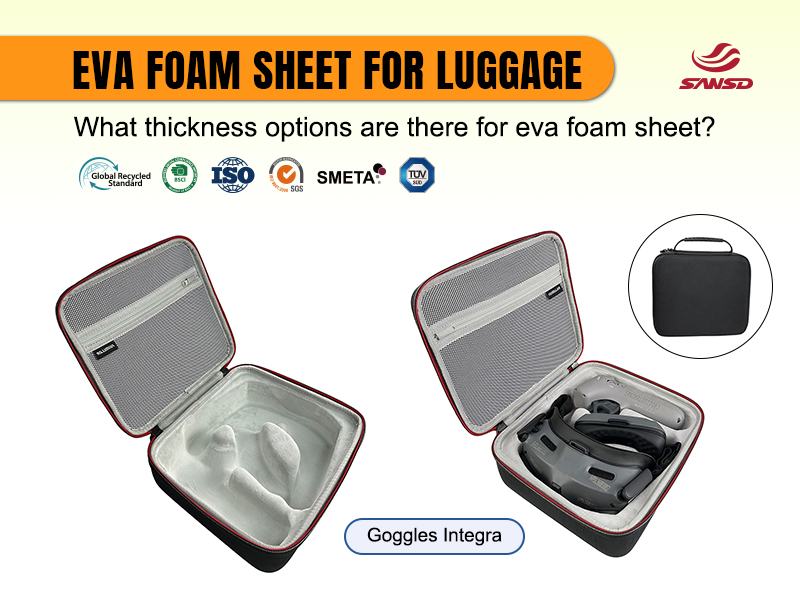
EVA foam offers excellent protection for packaged goods since it can soak up around 90% of impact energy while cutting down on overall package weight by roughly 40% when compared to older materials. The material's closed cell design keeps water out and maintains shape even after repeated compression, which makes it great for protecting things like electronics, medical gear, and delicate instruments that need extra care during transport. When manufacturers use CNC cutting techniques, they can create inserts that fit products almost perfectly down to fractions of a millimeter. These custom made spaces hold items securely in place thanks to specially designed cavities and sometimes include anti static lining as well. Logistics companies report about a 34% drop in damage claims when using this kind of packaging. There are also eco friendly versions available now that contain recycled material, helping businesses meet sustainability targets. Plus, EVA has those nice damping qualities that shield sensitive parts from getting damaged by vibrations during both air travel and ground transportation, making it a smart choice for anyone looking to minimize shipping risks.
Medical and Healthcare Applications: EVA Foam in Orthotics, Prosthetics, and Clinical Devices
Medical devices get a real boost from EVA foam because of how well it absorbs shocks and works safely inside the body. When making orthotics, doctors find that this material helps people with foot pain issues such as plantar fasciitis since it cushions those parts of the feet that bear most weight. For prosthetic liners too, EVA stands out due to its ability to resist moisture, which means less skin problems when wearing them all day long. Many healthcare professionals actually prefer custom made EVA supports during recovery periods. These not only help patients move around better but also stay clean longer between changes, something that matters a lot in clinical settings where infection control is always top priority.
Pressure Redistribution and Patient-Specific EVA Formulations
Tailored EVA materials really make a difference when it comes to managing pressure points properly. When techs tweak the material density, they can spread out the weight distribution effectively. Firmer EVA works best around knees and hips where most body weight rests, while softer versions go on sensitive areas like heels or elbows. This kind of personalized approach stops those painful pressure sores from developing in bedridden individuals and makes wearing prosthetics much more comfortable overall. The medical grade stuff stands up to hospital sterilization protocols too, which is why clinics trust it for their equipment. Patients who get these customized supports often report better healing results and just feel generally more comfortable throughout their day to day activities.
Emerging Sectors: From Automotive Interiors to Flame-Retardant Play Areas
Beyond traditional uses, EVA foam is gaining traction in automotive interiors and child-safe environments. Automakers increasingly use it for dashboard padding, door panels, and floor insulation due to its vibration-dampening properties and lightweight composition—key advantages for electric vehicle efficiency.
Flame-Retardant and FDA-Compliant EVA for Toys, Cosplay, and Pediatric Environments
Today's specialized EVA materials actually pass those tough safety tests everyone talks about these days, like UL94 V-0 for fire resistance and meeting FDA requirements when they touch skin for long periods. We see these special versions popping up all over the place lately. Think about those thick rubber mats in doctor offices where kids play, or the fancy outfits at comic conventions that won't catch fire easily, even better than regular fabric. And let's not forget about baby teethers made from this stuff too! What makes EVA so great is how its internal structure basically fights off bacteria naturally. That's why indoor play areas love using it where both cleanliness matters and kids need protection from falls. When creating products with EVA, smart designers tweak how soft or firm it feels based on what works best for different situations. They want to make sure kids don't get hurt from sitting too long on something too hard while still letting them enjoy colorful, fun designs that look amazing in any room.
FAQ Section
What is EVA foam?
EVA foam stands for Ethylene Vinyl Acetate, a polymer used for its cushioning properties, lightweight design, and resilience.
Why is EVA foam favored in footwear?
Due to its excellent shock absorption, lightweight nature, and durable construction, EVA foam reduces joint stress compared to traditional materials.
How does EVA foam improve safety in sports gear?
EVA foam absorbs and disperses impact forces, reducing concussion risks and providing effective cushioning in protective gears like helmets and gym mats.
Is EVA foam environmentally friendly?
Manufacturers are incorporating recycled EVA or plant-based acetates, reducing carbon footprints and promoting sustainability.
Can EVA foam be used in medical applications?
Yes, EVA foam is used in orthotics and prosthetics due to its shock absorption and moisture-resisting capabilities, providing comfort and support to patients.
Table of Contents
- Footwear Industry: Where EVA Foam Revolutionized Comfort and Performance
- Sports Equipment and Protective Gear: EVA Foam’s Critical Role in Safety
- Packaging Solutions: Precision Protection with Custom EVA Foam Inserts
- Medical and Healthcare Applications: EVA Foam in Orthotics, Prosthetics, and Clinical Devices
- Emerging Sectors: From Automotive Interiors to Flame-Retardant Play Areas
- FAQ Section