
 EN
EN


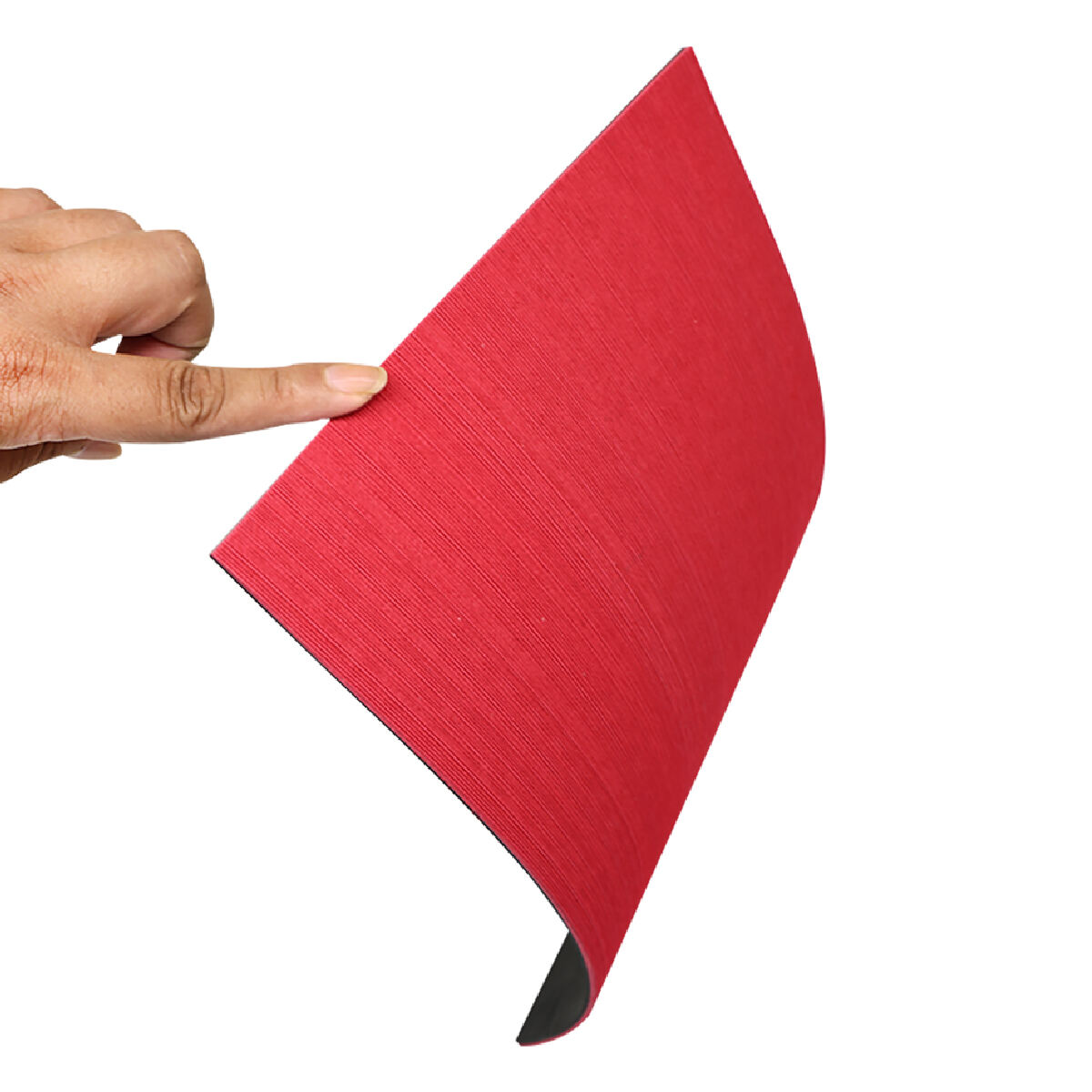
In the diverse landscape of protective and structural foam solutions, EVA (Ethylene-Vinyl Acetate) molded cases stand out for their exceptional balance of properties, versatility, and cost-effectiveness. As a leading force in advanced foam manufacturing, Quanzhou Wefoam Trading Co., Ltd., backed by over four decades of expertise from the SANSD Group, is at the forefront of engineering high-performance EVA materials. This technical guide delves deep into the standards, intrinsic properties, and application-specific considerations of EVA molded cases, providing engineers, designers, and procurement specialists with the knowledge to make informed decisions.
Understanding EVA Foam: The Core Material
EVA foam is a closed-cell copolymer foam renowned for its cushioning, resilience, and manufacturability. The ratio of vinyl acetate (VA) content is a primary determinant of its characteristics. Higher VA content increases softness, flexibility, and low-temperature toughness, while lower VA content enhances rigidity and chemical resistance. At Wefoam, our EVA formulations range from soft, highly elastic variants to harder, more structural grades, allowing for precise customization in molded case production.
Key Base Properties of EVA for Molding:
Density: Typically ranges from 20 to 250 kg/m³ for molded products, directly influencing weight, cushioning strength, and cost.
Hardness: Measured in Shore C, often between 60 to 80, offering a spectrum from pliable liners to rigid protective shells.
Elasticity & Resilience: Exhibits excellent recovery from compression, crucial for repeated use and impact protection.
Chemical Resistance: Resistant to water, oils, salts, and most dilute acids and alkalies, ensuring durability in various environments.
Processability: Excellent thermal formability allows for complex mold designs, precise dimensions, and efficient high-volume production.
The EVA Molding Process: Creating the Perfect Case
Molded EVA cases are created through a precise thermal molding process. Pre-expanded EVA beads or sheet stock are placed into aluminum molds and subjected to heat and pressure. This causes the material to expand and fuse into the mold's intricate cavities, forming a seamless, unitary structure. Wefoam’s advanced custom processing capabilities ensure that every EVA molded case meets exact geometric and performance specifications, with options for fabric or leather lamination, CNC cutting, and drilling for enhanced functionality.
Critical Standards and Specifications for EVA Molded Cases
Adherence to international standards is paramount for quality assurance and market acceptance. Key standards governing EVA foam materials and products include:
1.Physical Performance Standards:
ASTM D3575: Standard Test Methods for Flexible Cellular Materials Made from Olefin Polymers. This is a fundamental suite of tests for density, indentation force deflection (IFD), compression set, and tensile strength.
ISO 845: Cellular plastics and rubbers — Determination of apparent density.
Compression Set (ASTM D395): Measures the material's ability to recover after prolonged compression, a critical factor for cases that must maintain their shape and protection over time.
2.Safety and Environmental Standards:
RoHS & REACH: Compliance ensures the material is free from hazardous substances, essential for consumer goods and electronics packaging.
Flammability Standards: Such as UL 94 (for plastics) or specific industry tests for flame retardancy, crucial for applications in electronics, automotive, and aviation.
3.Industry-Specific Standards:
MIL-STD/ DEF-STAN: For military and defense equipment cases, specifying requirements for shock, vibration, and environmental resistance.
ISTA Procedures: For transportation packaging, testing the ability of the packaged product (in its case) to withstand shipping hazards.
In-Depth Analysis of Functional Properties
Selecting an EVA molded case requires a detailed analysis of how its properties align with application demands.
Shock Absorption and Cushioning: The closed-cell structure of EVA foam effectively dissipates kinetic energy. By selecting the appropriate density and hardness, engineers can design cases that protect delicate instruments like optical devices, drones, or diagnostic equipment from G-force impacts during transit.
Vibration Damping: EVA foam exhibits excellent damping characteristics, isolating sensitive components from harmful resonant frequencies. This is vital for protecting precision tools, electronic assemblies, and musical instruments.
Thermal Insulation: EVA provides low thermal conductivity, making EVA molded cases suitable for insulating temperature-sensitive items, such as certain pharmaceuticals or biological samples, during short-term transport.
Water & Moisture Resistance: The non-absorbent, closed-cell nature offers inherent protection against splashes, humidity, and short-term immersion, a key benefit for marine equipment, outdoor gear, and field equipment cases.
Weight-to-Strength Ratio: EVA molded cases offer superior protection at a fraction of the weight of traditional materials like wood, metal, or rigid plastics. This weight efficiency is critical for luggage, portable medical devices, and aerospace applications where every gram counts.
Customizability & Aesthetics: Beyond function, EVA molding allows for integrated features like living hinges, snaps, and custom logos. Lamination with fabrics, synthetics, or leathers, a specialty at Wefoam, enhances grip, abrasion resistance, and brand appeal for consumer-facing products like premium sports shoe inserts, cosmetic cases, or high-end electronics accessories.
Application-Specific Considerations
Electronics & Technology: Requires anti-static (ESD) formulations, precise cavity molding, and compliance with specific flammability standards.
Medical & Dental Equipment: Demands easy-clean surfaces, biocompatibility certifications for certain grades, and precise cushioning for fragile components.
Sports & Recreation: For equipment like cameras, drones, or fishing gear, cases need a balance of rugged exterior (often via lamination) and plush, scratch-free interior lining.
Industrial & Tooling: Focuses on high durability, oil resistance, and custom-cut compartments to organize heavy tools, preventing damage and noise.
Packaging: High-volume production of custom EVA foam inserts for packaging luxury goods, bottles, or industrial parts, where presentation and protection are equally important.
Partnering with an Expert Manufacturer
Choosing the right supplier is as technical as selecting the material. Quanzhou Wefoam brings the legacy of the SANSD Group to every project. Our vertical integration allows for control from polymer compounding to final custom processing, including cutting, molding, and lamination. We collaborate closely with clients to:
1.Material Selection: Recommend the ideal EVA, PE, or blended foam compound (including TPE and EPDM for specific requirements) based on your performance needs.
2.Design for Manufacturability (DFM): Optimize case design for mold efficiency, material usage, and functionality.
3.Prototyping & Testing: Develop functional prototypes for fit and performance validation against relevant standards.
4.Scale Production: Ensure consistent quality and timely delivery for global supply chains.
Conclusion
The EVA molded case is a sophisticated engineering solution, far more than simple packaging. Its performance is dictated by a complex interplay of material formulation, manufacturing precision, and rigorous adherence to standards. By understanding the technical landscape—from Shore hardness and compression set to industry-specific compliance requirements—businesses can leverage this versatile material to enhance product protection, value, and user experience. As innovation continues in polymer science, manufacturers like Wefoam are pioneering next-generation EVA foams with enhanced properties, pushing the boundaries of what a molded foam case can achieve.
Frequently Asked Questions (FAQ)
Q1: What is the primary advantage of an EVA molded case over a sewn or assembled foam case?
A1: A molded EVA case is a seamless, unitary structure created in a single process. This eliminates seams and weak points, resulting in superior durability, consistent wall thickness, better water resistance, and the ability to form complex, integrated geometries like living hinges and precise cavities that are impossible with assembled methods.
Q2: How do I choose between EVA and PE foam for a protective case?
A2: The choice hinges on required flexibility and chemical resistance. EVA generally offers greater elasticity, better low-temperature flexibility, and a more rubber-like feel. Cross-linked Polyethylene (PE or XLPE) foam tends to be more rigid, has higher chemical resistance to certain solvents, and often provides a higher strength-to-density ratio. Consulting with a technical expert at Wefoam can help determine the optimal material for your specific stress, environmental, and tactile requirements.
Q3: Can EVA molded cases be made flame retardant?
A3: Yes. Through specific compounding additives during manufacturing, EVA foam can be engineered to meet various flame retardancy standards such as UL 94 HF-1 or specific industry requirements. It is crucial to communicate this need early in the design phase to ensure the correct material formulation is used.
Q4: Are EVA molded cases environmentally friendly?
A4: EVA foam itself is non-toxic and BPA-free. Its environmental impact depends on formulation and end-of-life options. While traditional EVA is not readily biodegradable, advancements are being made in bio-based acetates and formulations designed for easier recycling. Wefoam can advise on the most sustainable material options available for your project, including recyclable grades.
Q5: What are the limitations on the size and complexity of a molded EVA case?
A5: The limitations are primarily dictated by mold size and design. Modern molding machines can produce very large parts, such as oversized foam boards or full equipment trays. Complexity is a strength of molding; undercuts, intricate textures, and multi-level compartments are all achievable. The key is collaborative DFM (Design for Manufacturability) between the client and the manufacturer’s engineering team to ensure the design can be demolded efficiently and cost-effectively.
Table of Contents
- Understanding EVA Foam: The Core Material
- The EVA Molding Process: Creating the Perfect Case
- Critical Standards and Specifications for EVA Molded Cases
- In-Depth Analysis of Functional Properties
- Application-Specific Considerations
- Partnering with an Expert Manufacturer
- Conclusion
-
Frequently Asked Questions (FAQ)
- Q1: What is the primary advantage of an EVA molded case over a sewn or assembled foam case?
- Q2: How do I choose between EVA and PE foam for a protective case?
- Q3: Can EVA molded cases be made flame retardant?
- Q4: Are EVA molded cases environmentally friendly?
- Q5: What are the limitations on the size and complexity of a molded EVA case?