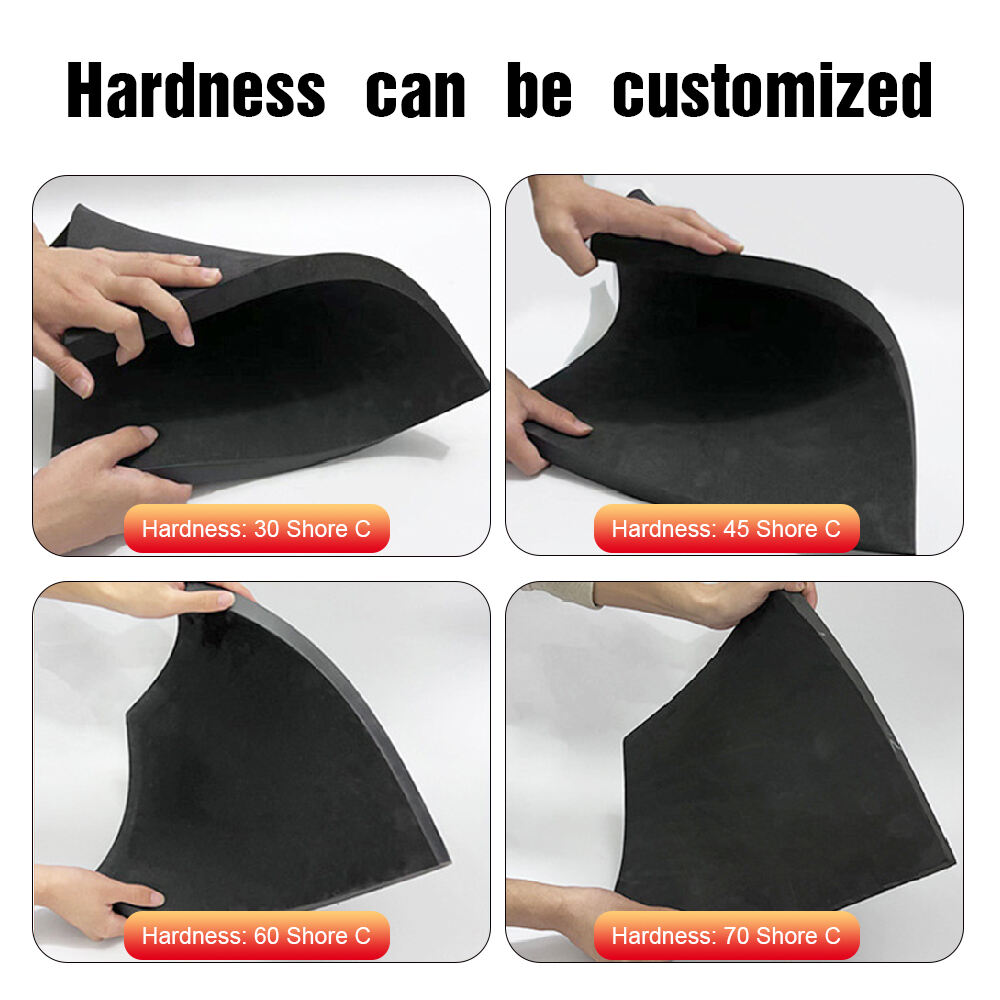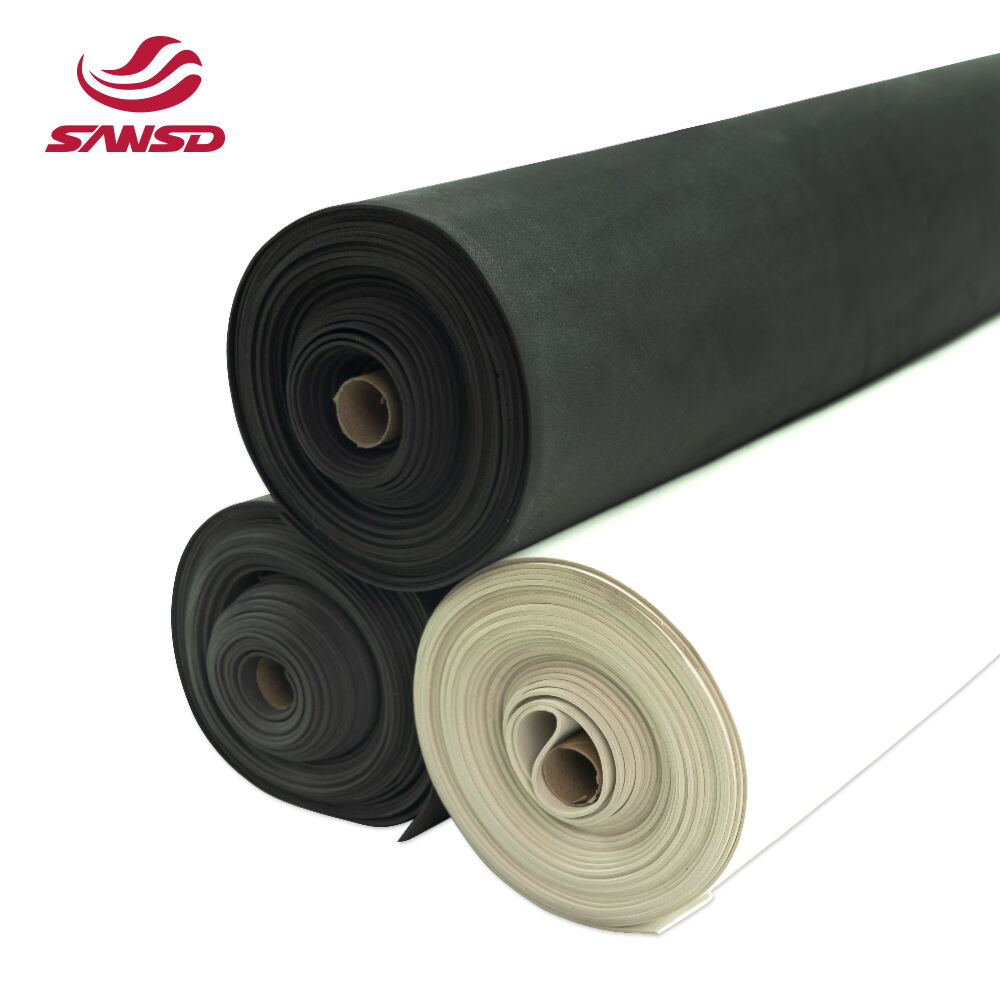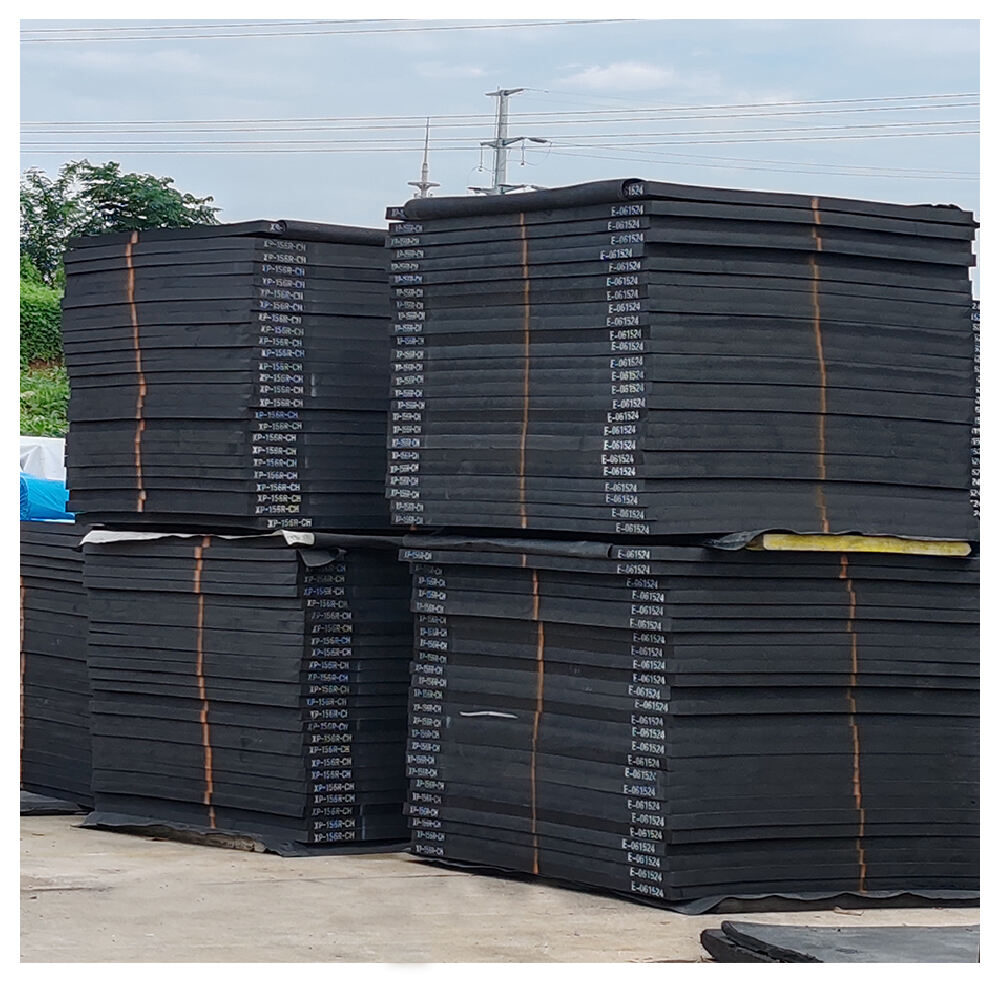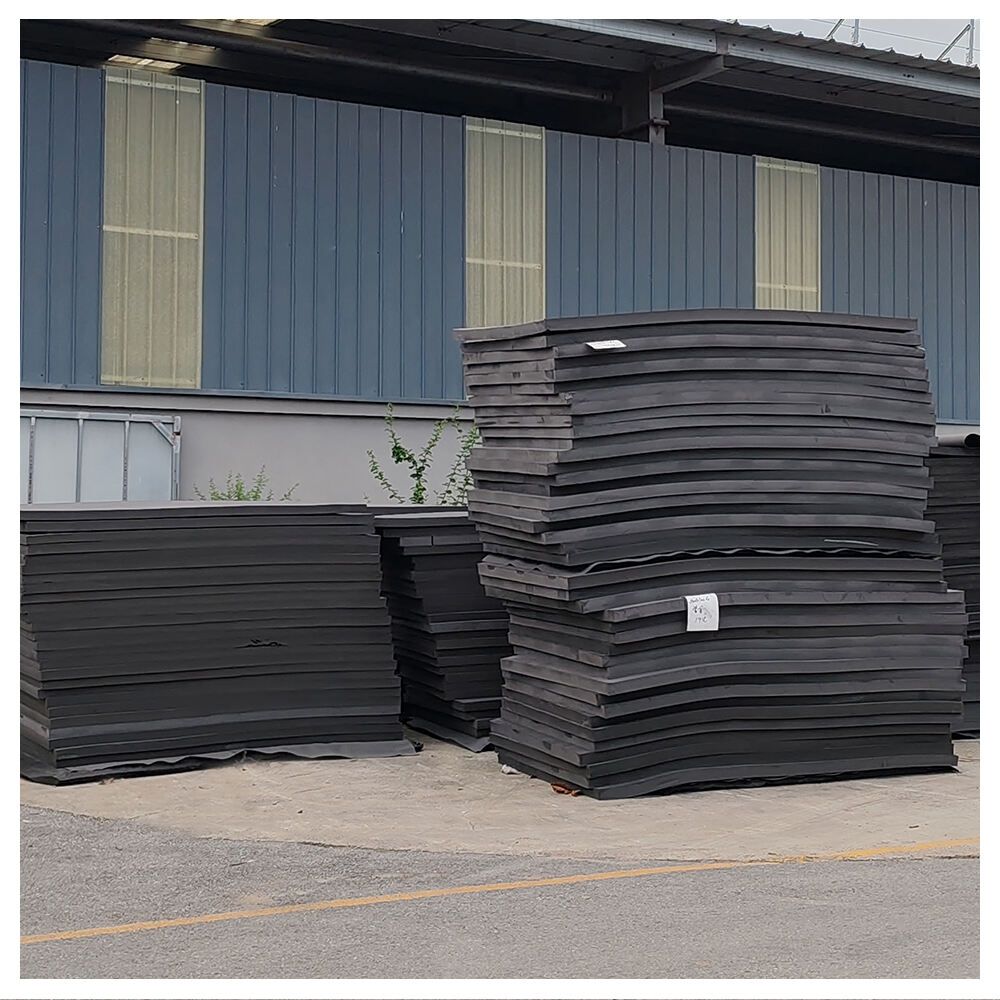
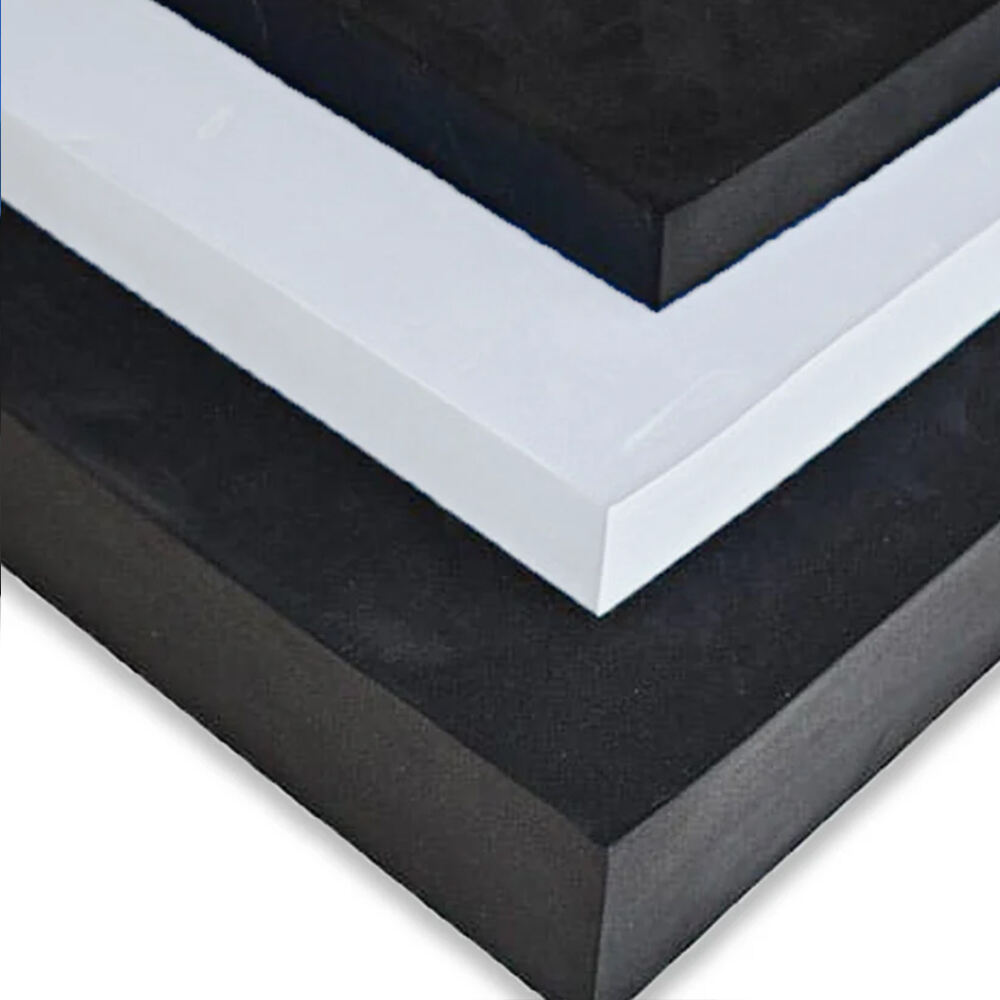
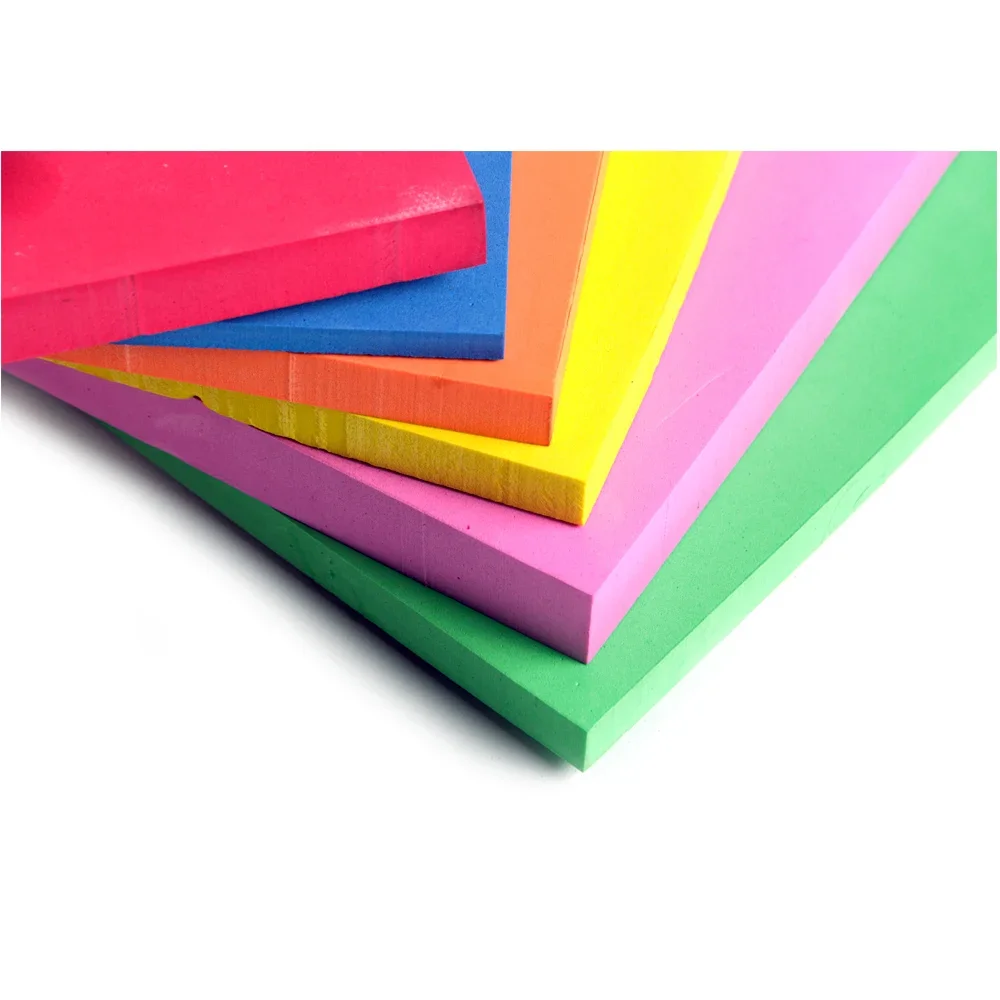
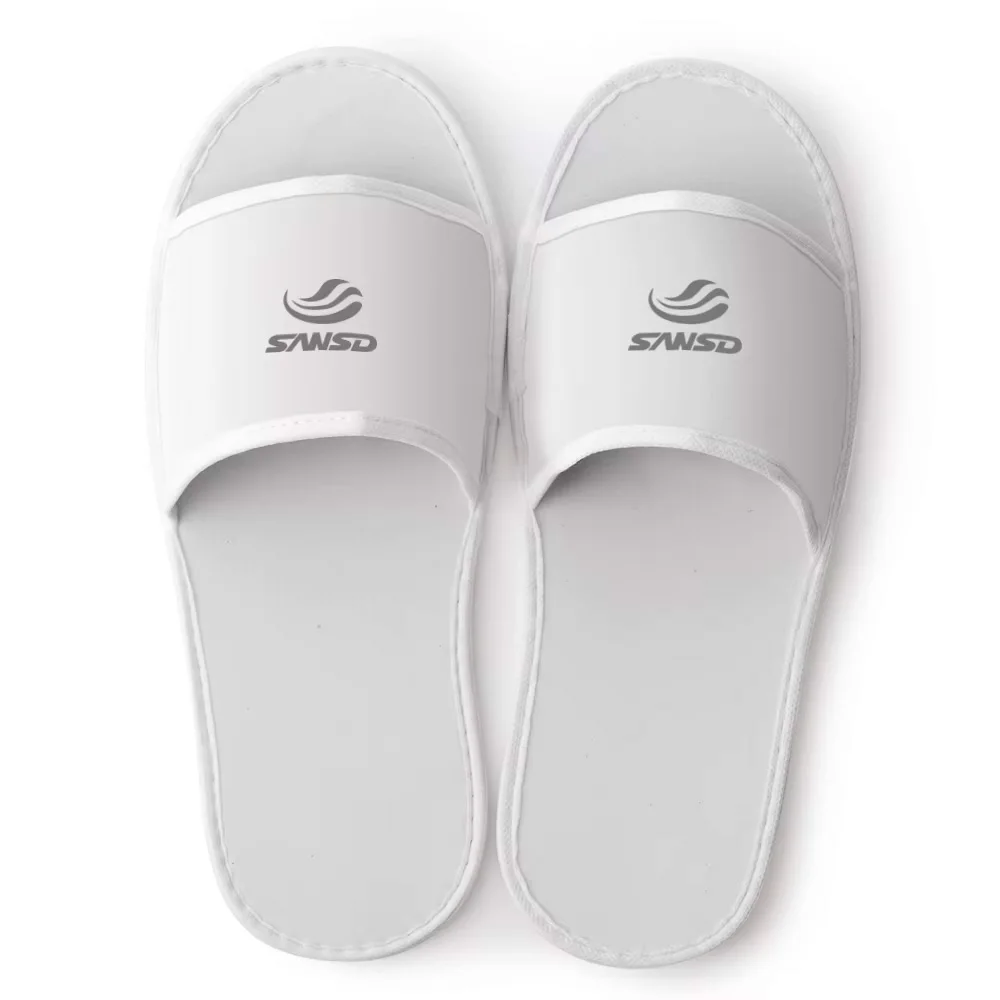
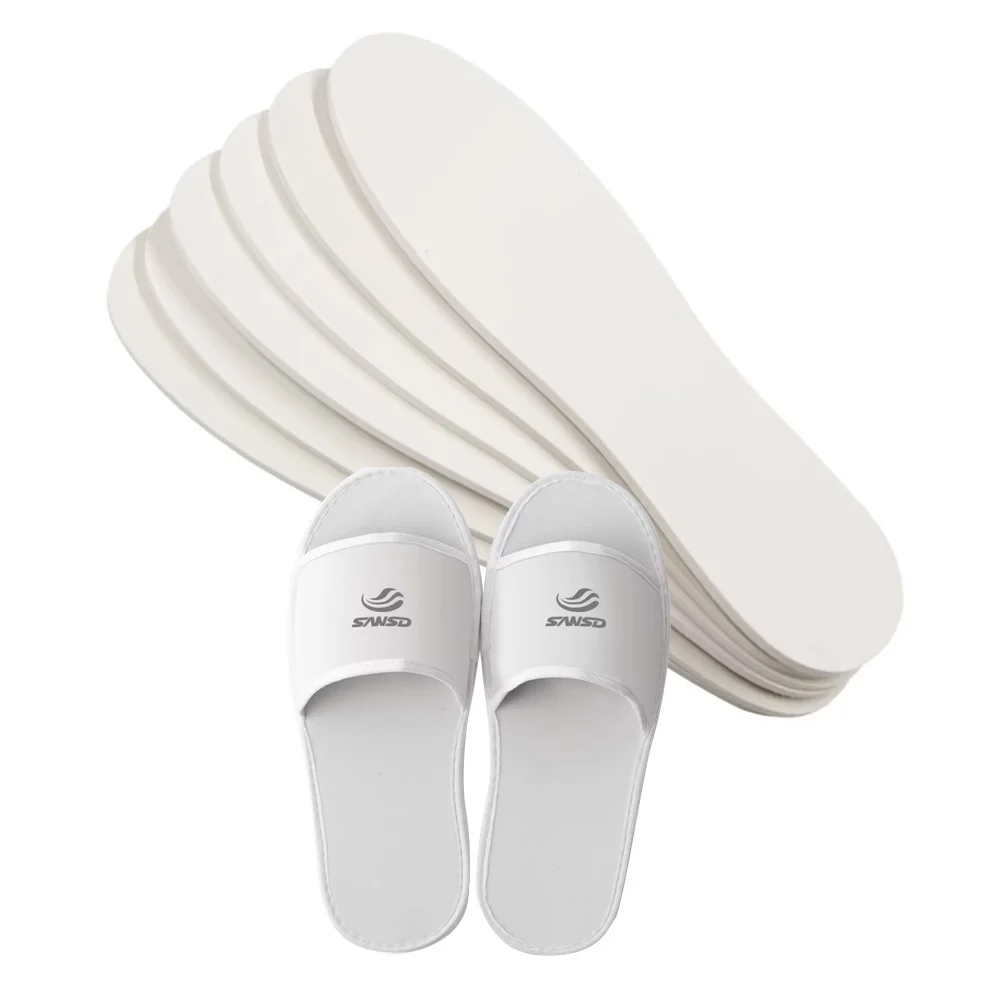
The quality of EVA foam is defined by key performance metrics such as density, hardness (Shore C or Asker C scale), elongation at break, and compression set. A low compression set is particularly important for applications requiring long-term sealing or cushioning, as it indicates the material's ability to recover its original thickness after prolonged compression. High-quality EVA foam exhibits minimal compression set, ensuring consistent performance over its lifespan. In the field of orthotics and prosthetics, EVA foam is a primary material for fabricating custom orthotic insoles. Podiatrists and orthotists use different densities of EVA foam to create insoles that provide targeted support, cushioning, and pressure relief for various foot conditions. Its moldability allows for a perfect fit to the individual's foot contour. In the consumer goods sector, EVA is the material for many popular "foam" sandals and clogs, prized for their lightweight, buoyant, and comfortable nature. It is also used in the construction of lightweight, durable cases for musical instruments and photography equipment. The aviation industry uses EVA foam for aircraft interior panels and as padding for seating, where weight and fire resistance are critical factors. For technical data and pricing on our medical-grade or high-performance EVA foam products, we encourage you to contact our technical support team for a confidential consultation.