

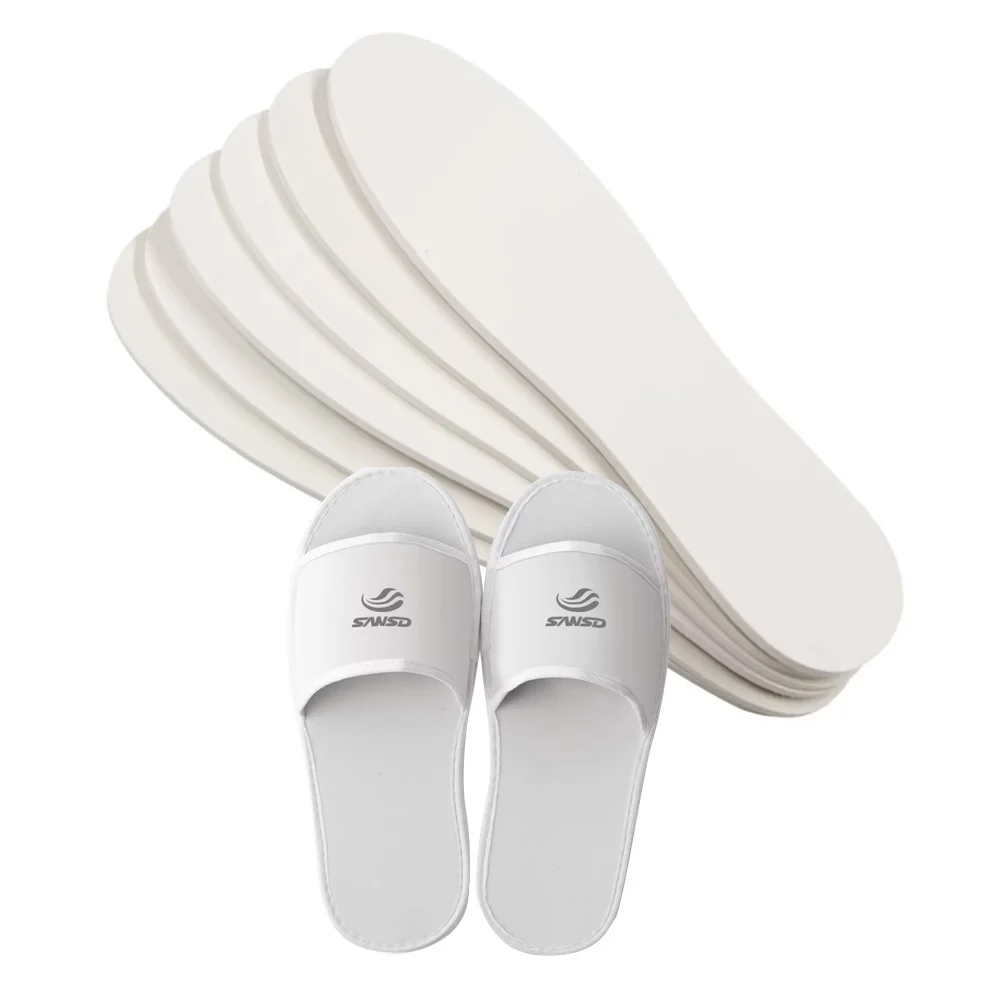
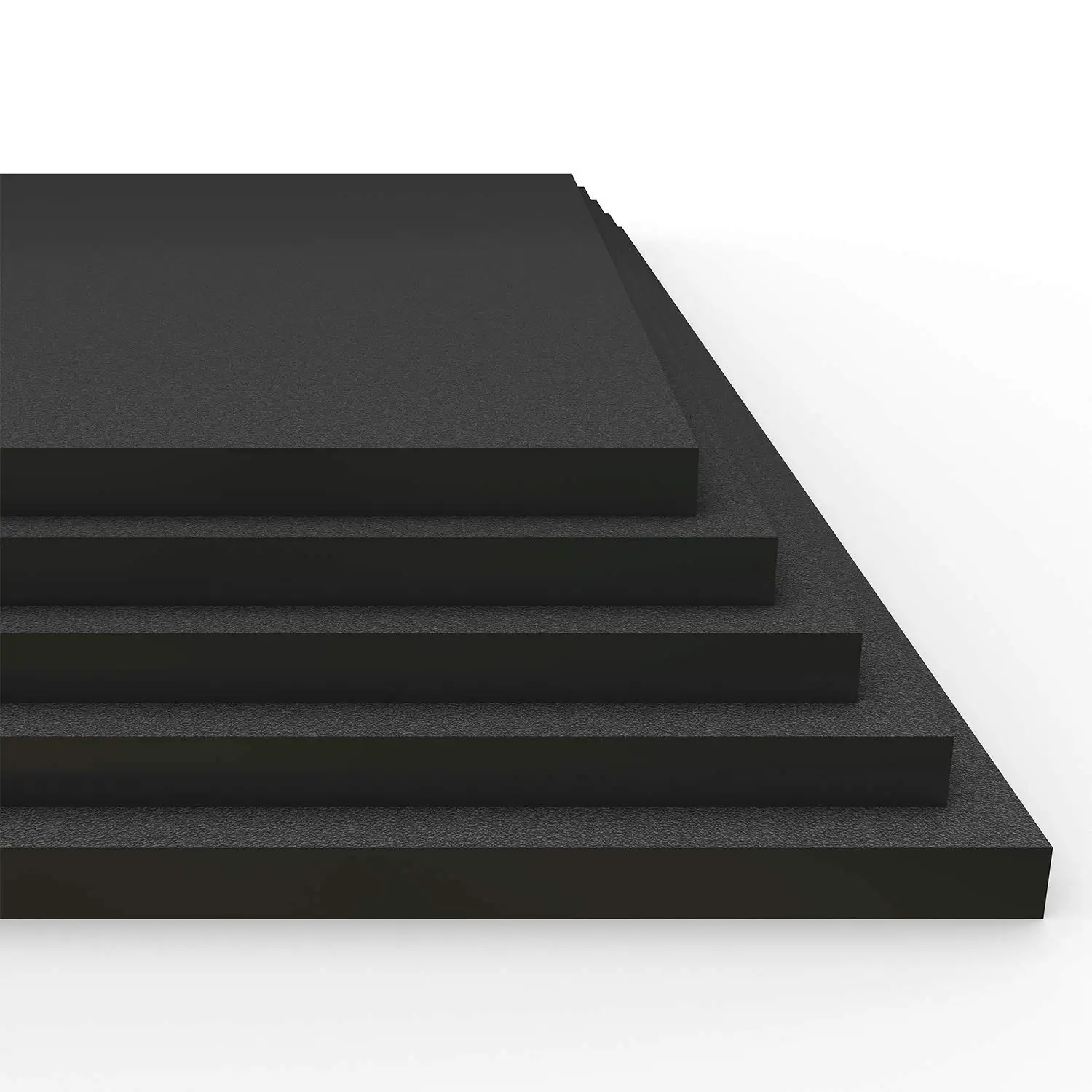
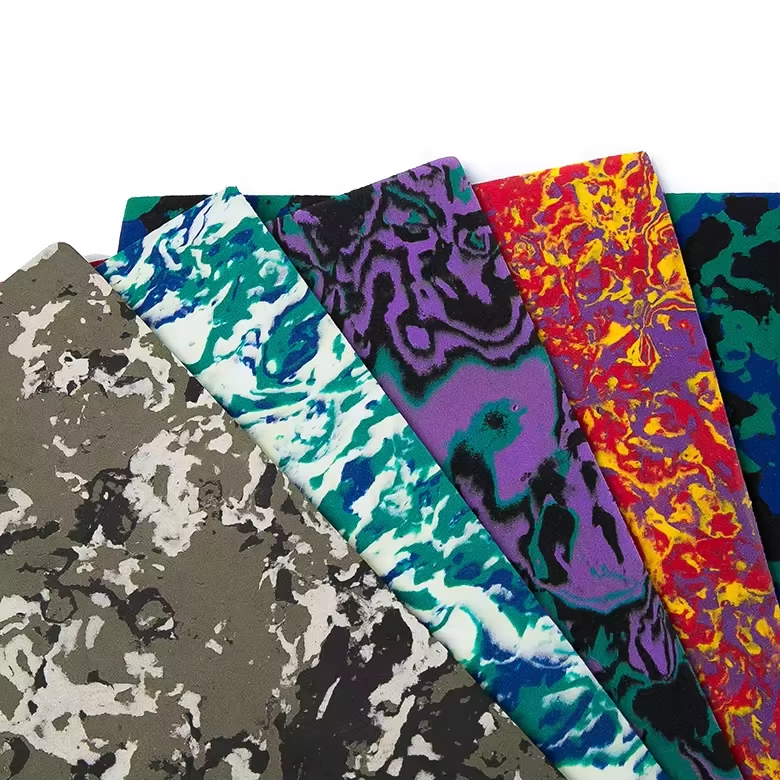
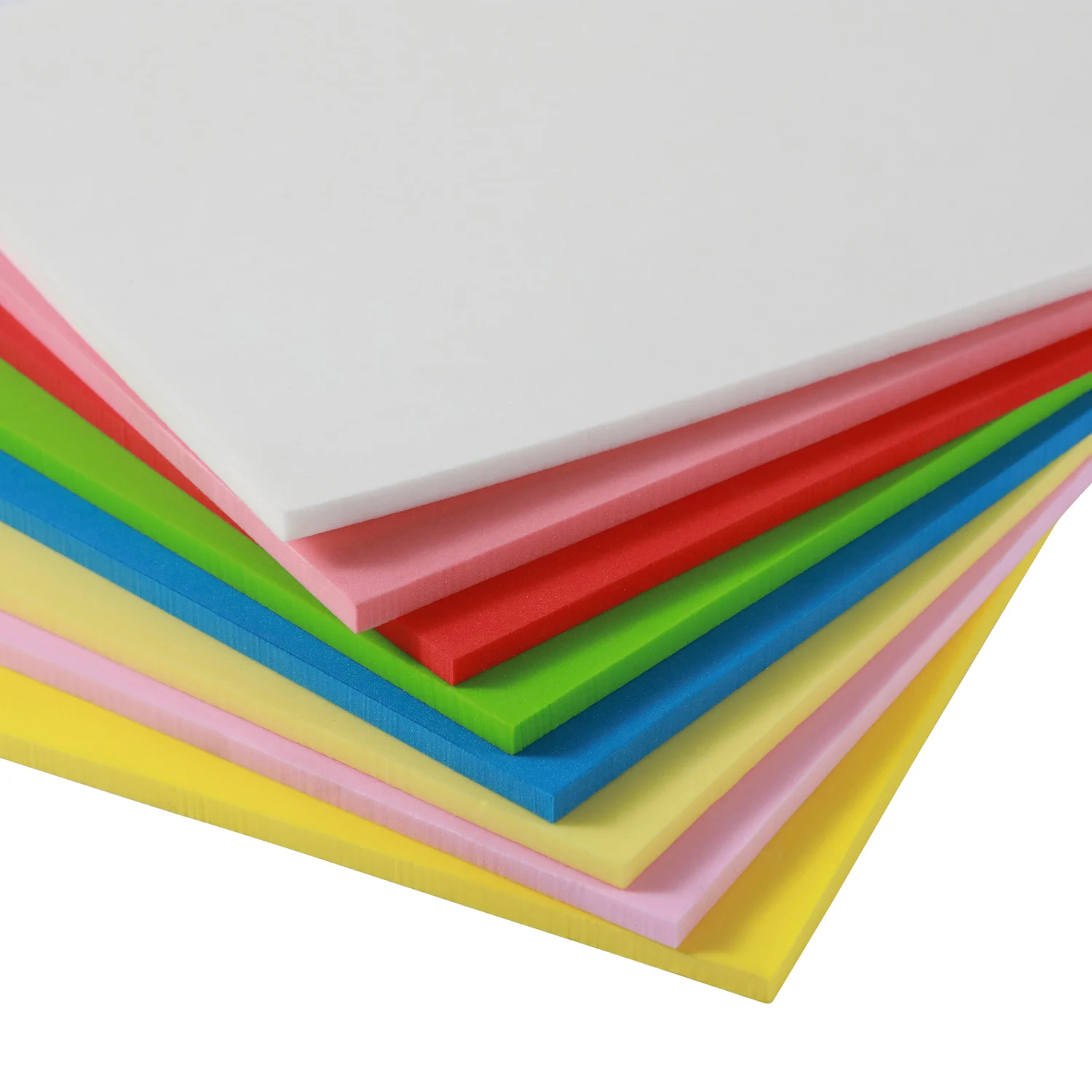
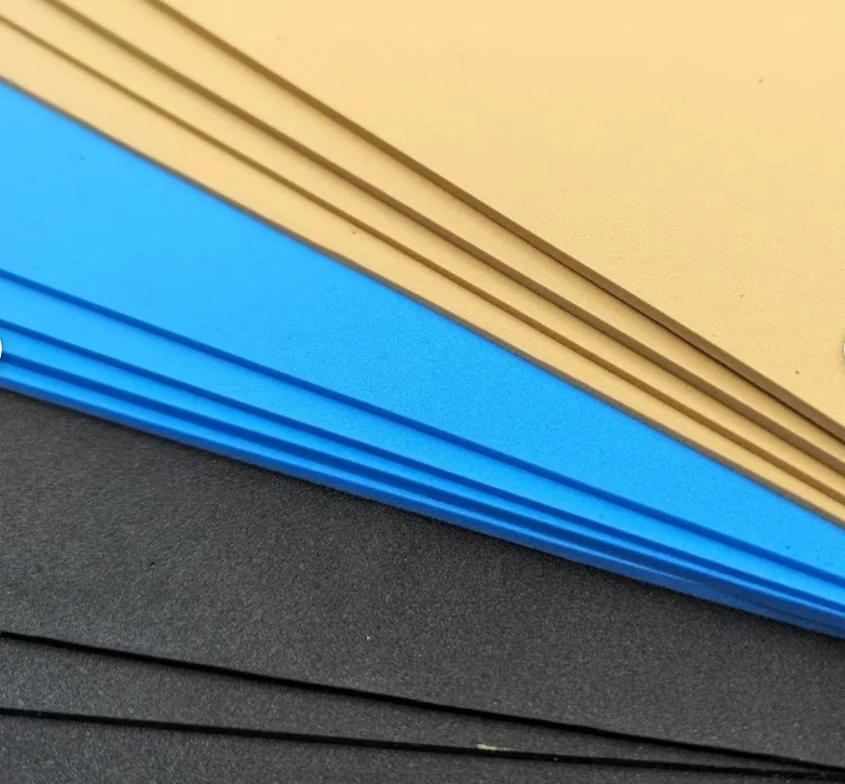
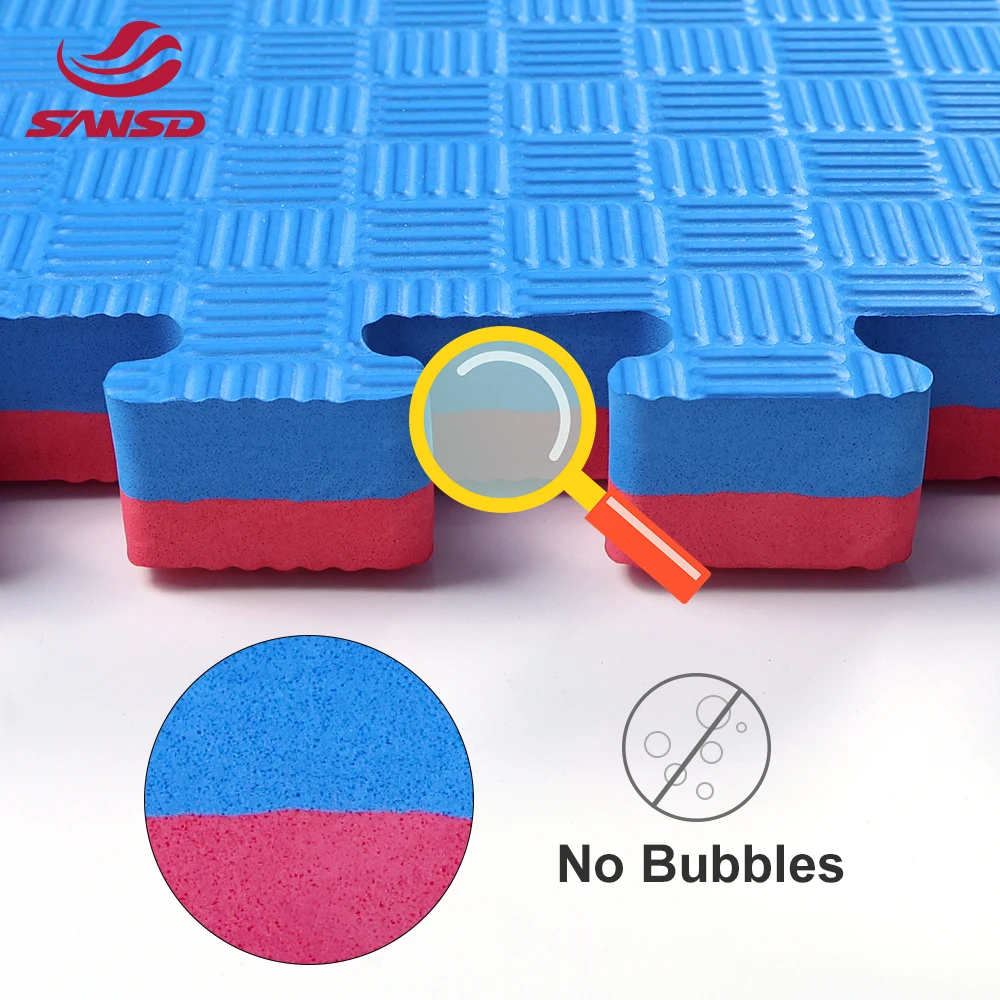
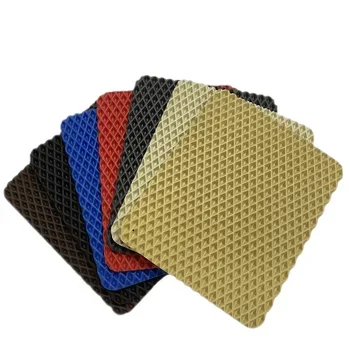
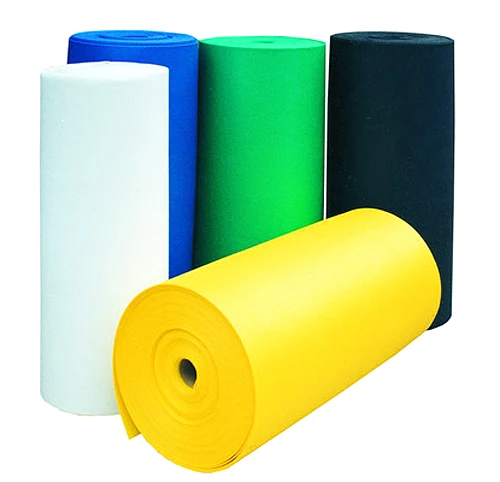
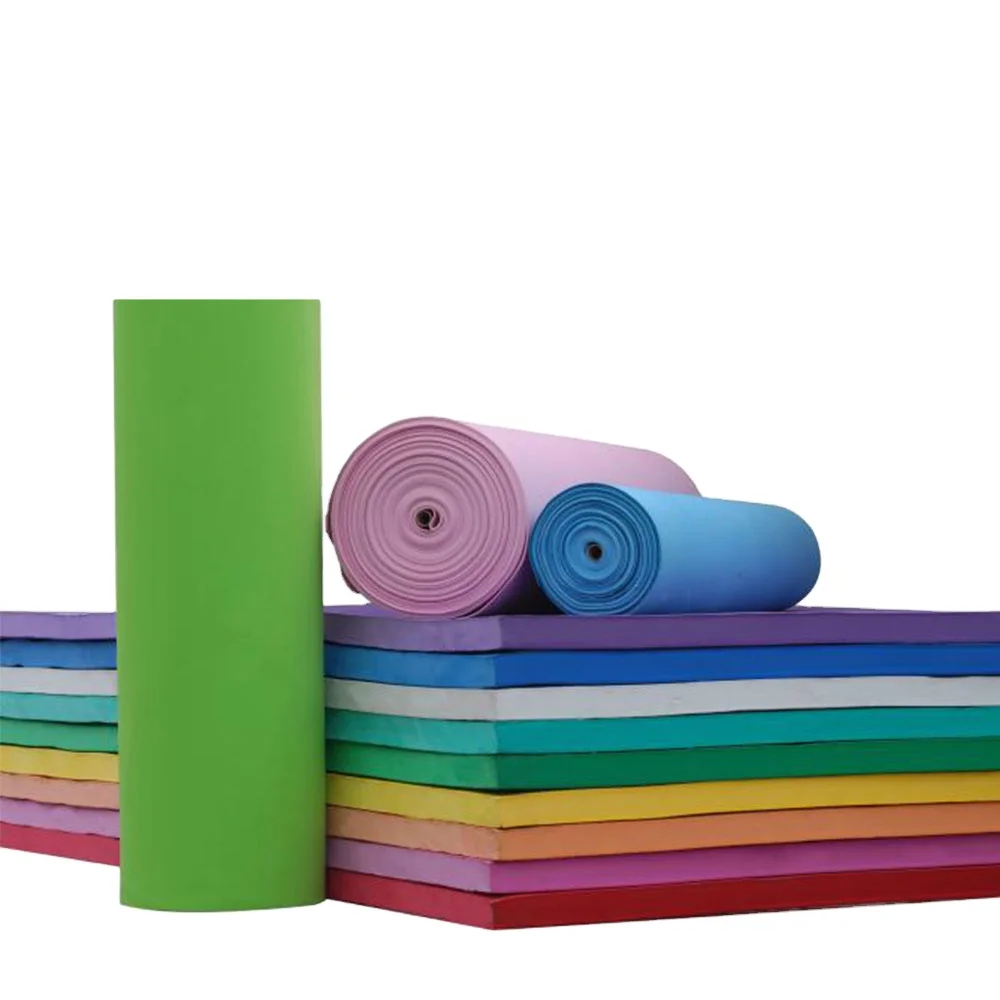
EVA foam represents a pinnacle of polymer foam technology, characterized by its closed-cell structure and cross-linked formulation. This engineering results in a material with remarkable properties: low-temperature toughness, resistance to UV radiation, and good chemical stability. It can be processed to exhibit a vast range of hardness, from pliable and compressible to firm and supportive, with densities tailored to meet specific load-bearing and cushioning requirements. Its surface can be smoothly finished or embossed with textures, and it accepts lamination with various fabrics and films. A major application domain is marine and automotive industries. EVA foam is employed in marine decking for its non-slip, comfortable surface underfoot and its resistance to saltwater and weathering. It is used for flotation devices and buoyancy aids due to its inherent closed-cell, waterproof nature. In automobiles, it is found as interior padding, armrest cores, and sound-dampening materials, contributing to passenger comfort and noise, vibration, and harshness (NVH) reduction. Its ability to be die-cut into precise gaskets and seals is also leveraged in automotive assembly. The world of consumer goods heavily relies on EVA foam. It is the primary material for many types of slippers and sandals, offering a soft, mold-in comfort that conforms to the foot's shape. In luggage manufacturing, EVA is used for protective padding in suitcase shells and as lightweight, durable material for hard-case carry-ons. Furthermore, it is a popular choice for crafting, cosplay props, and DIY projects because it is easy to cut, shape, and glue. For sports equipment, EVA foam is used in helmet liners, knee and elbow pads, and sports mats, providing essential impact protection. To inquire about specific grades, such as high elasticity or flame-retardant EVA foam, and to receive a detailed price list, we encourage you to get in touch with our expert team directly.