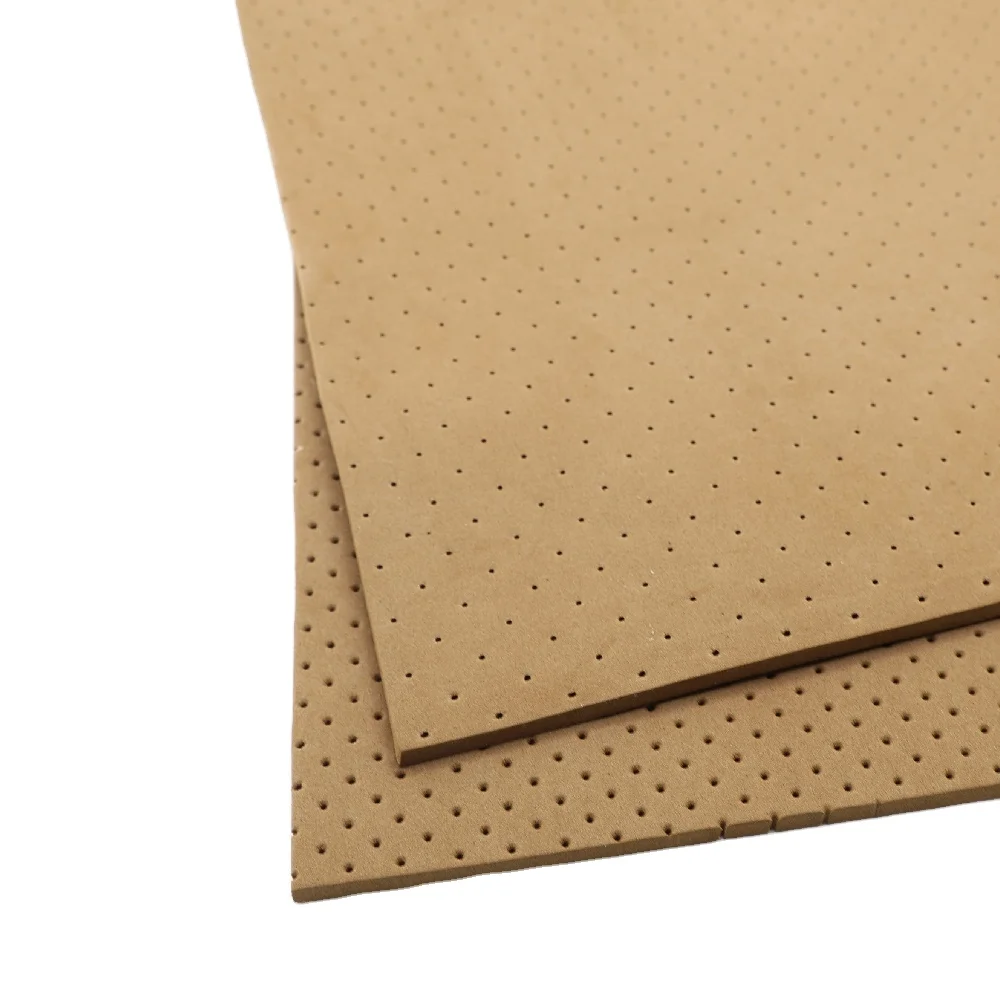
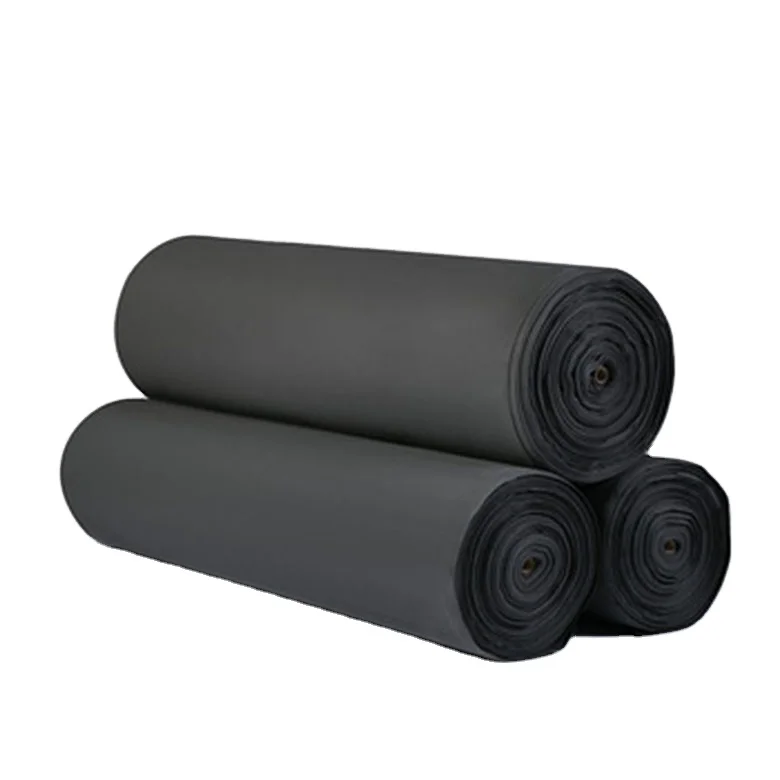
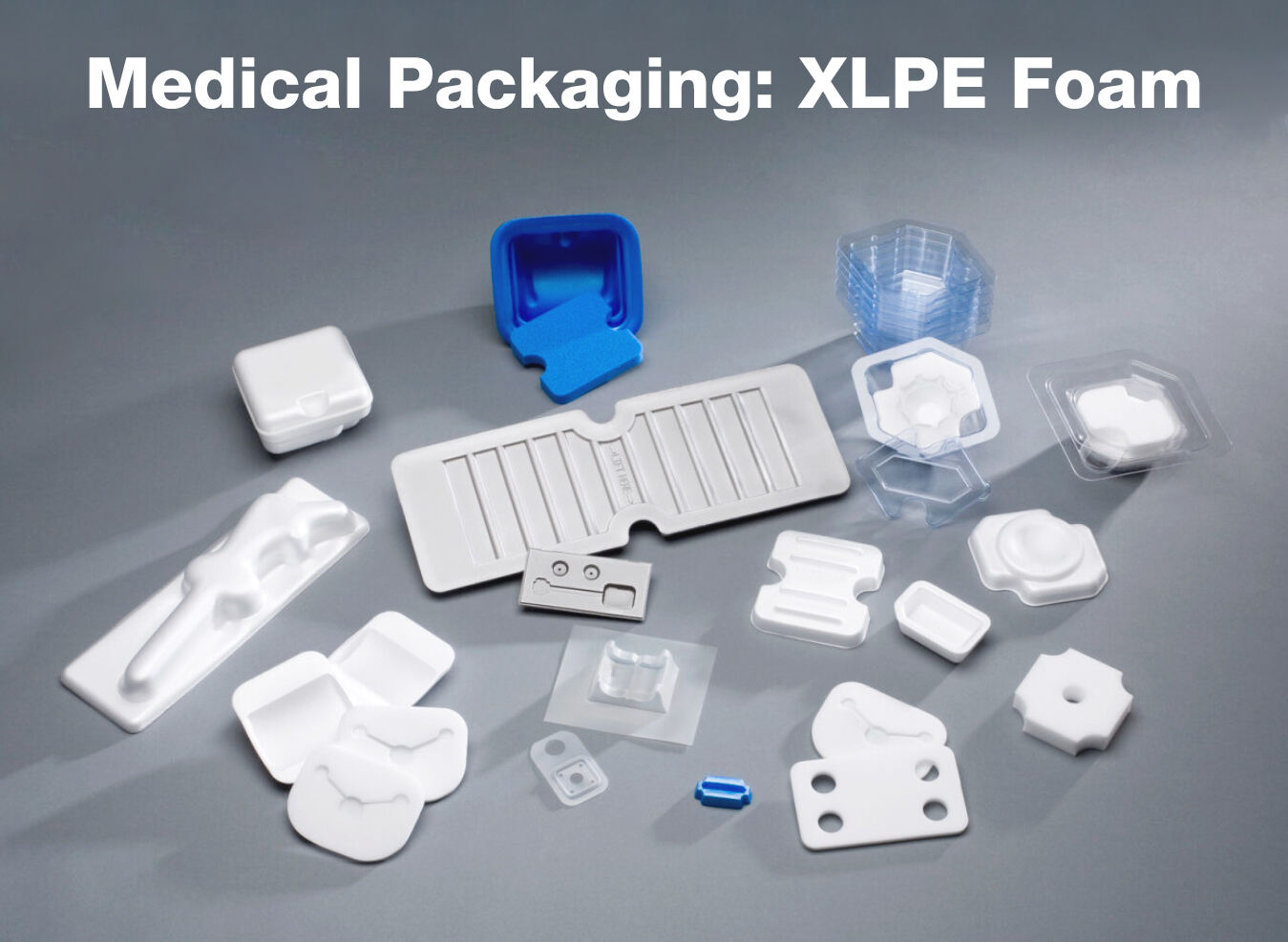
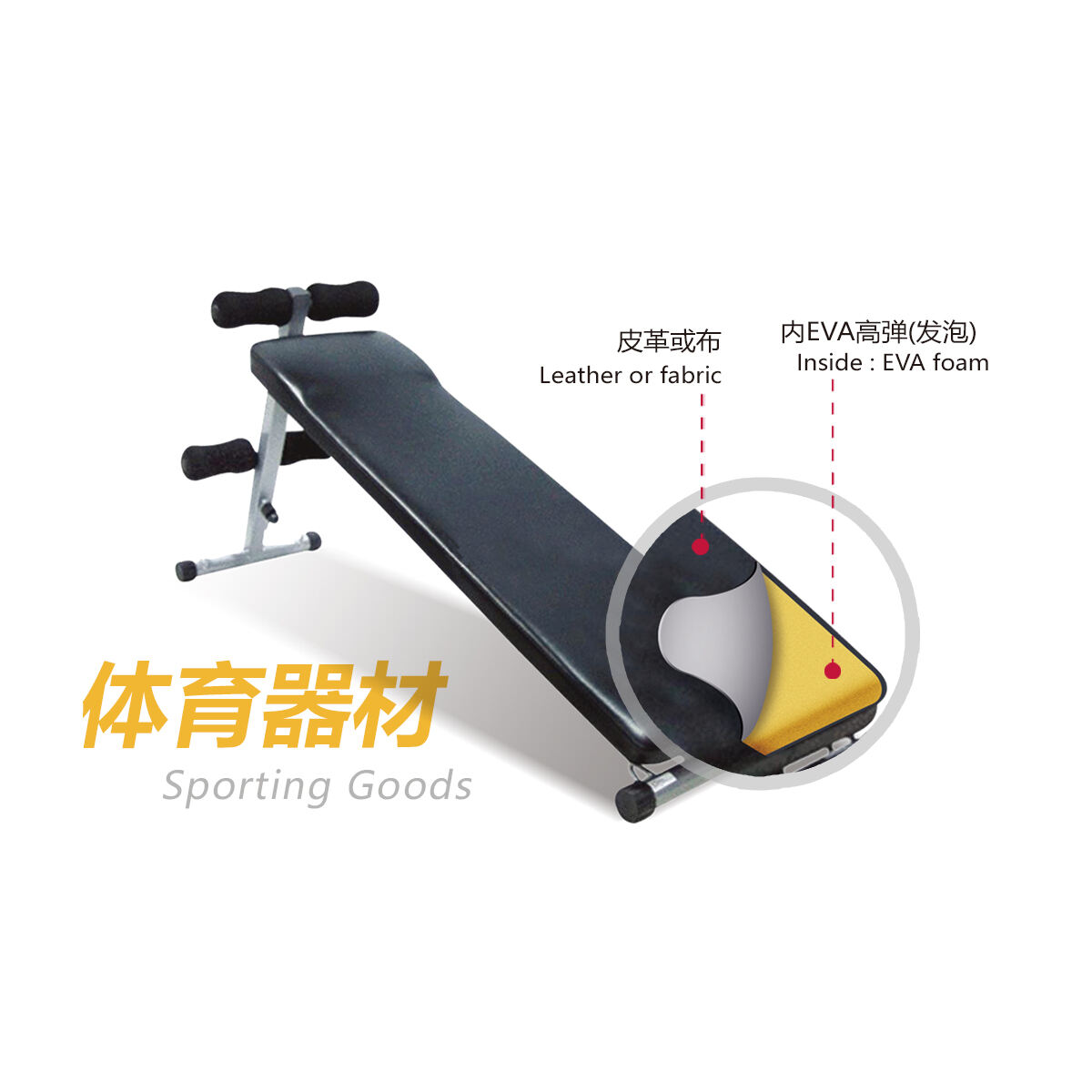
Within the extensive family of Ethylene-Vinyl Acetate (EVA) foams, density is a primary determinant of the material's character and optimal application. Low Density EVA Foam Sheets, typically ranging from about 25 to 100 kilograms per cubic meter, represent a specialized category engineered for scenarios where minimal weight, high flexibility, and soft cushioning are paramount. For product designers, engineers, and procurement specialists, understanding the distinct properties and strategic uses of this material is key to optimizing designs and cost structures.
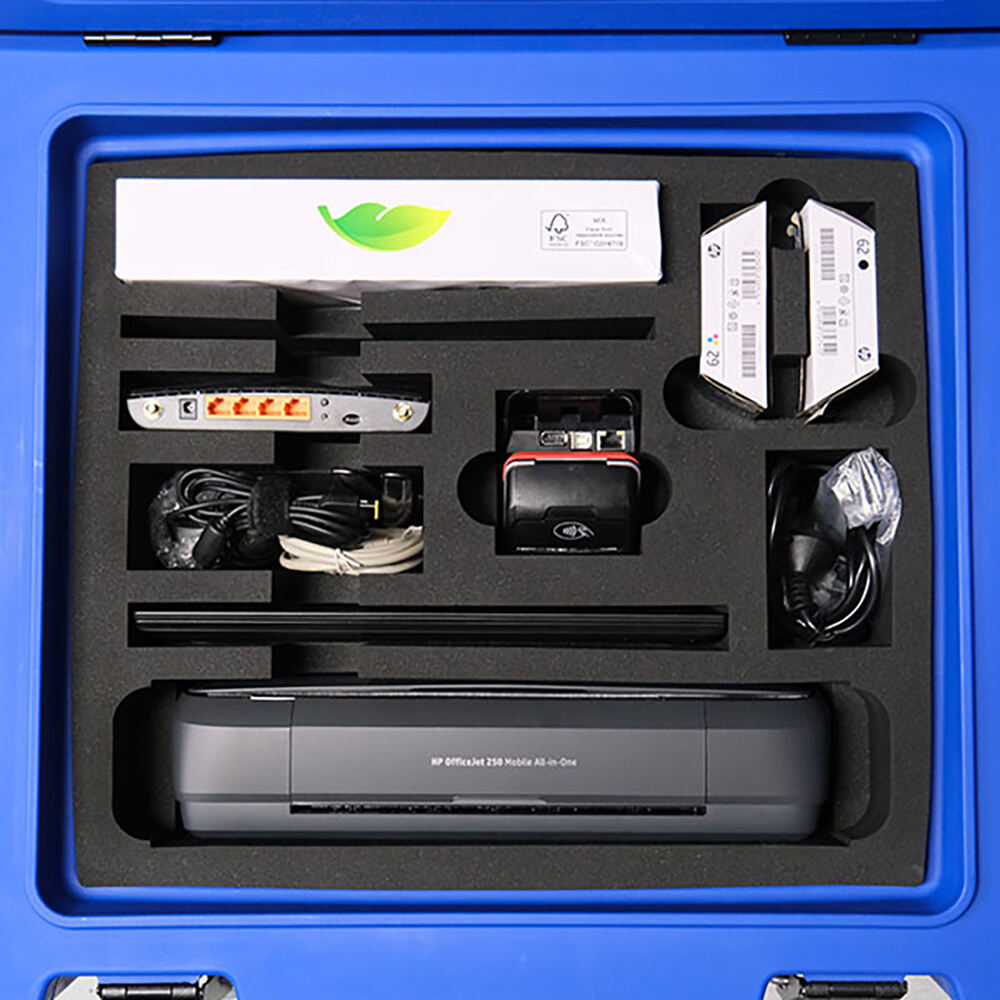
The most defining characteristic of low-density EVA foam is its exceptional lightweight nature. This property is quantifiable and directly impacts logistics and usability. In packaging, it reduces the dead weight of shipping containers, lowering freight costs—a critical consideration in e-commerce. For wearable or portable items, it minimizes product heft, enhancing user comfort. This lightness stems from a higher proportion of air-filled cells within the polymer matrix. While this structure reduces rigidity, it simultaneously imparts a soft, compliant feel that excels in surface protection. The foam compresses easily under light pressure, creating a gentle, conforming barrier that guards against scratches, dents, and minor impacts. This makes it a preferred choice for lining jewelry boxes, separating glass or screen components in transit, and protecting finished furniture surfaces.
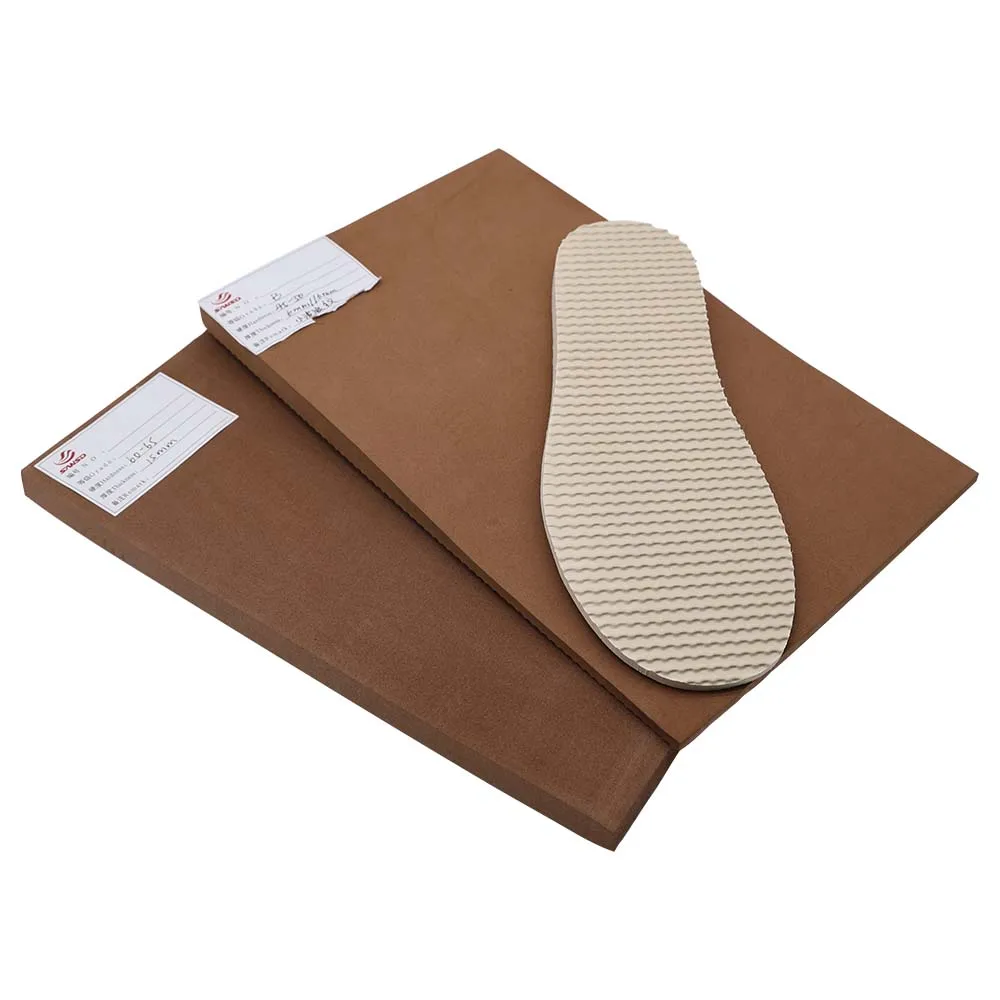
Beyond protection, the material's workability is a major asset. Its pliable nature allows for effortless manual cutting and shaping, endearing it to the craft, cosplay, and hobbyist communities for creating props, models, and decorative elements. On an industrial scale, this same pliability enables efficient die-cutting and conversion with less energy and tooling stress. Furthermore, low-density EVA can serve as an effective, economical sound-dampening layer in applications where extreme acoustic performance is not required, such as in lining small enclosures or as part of composite panels.
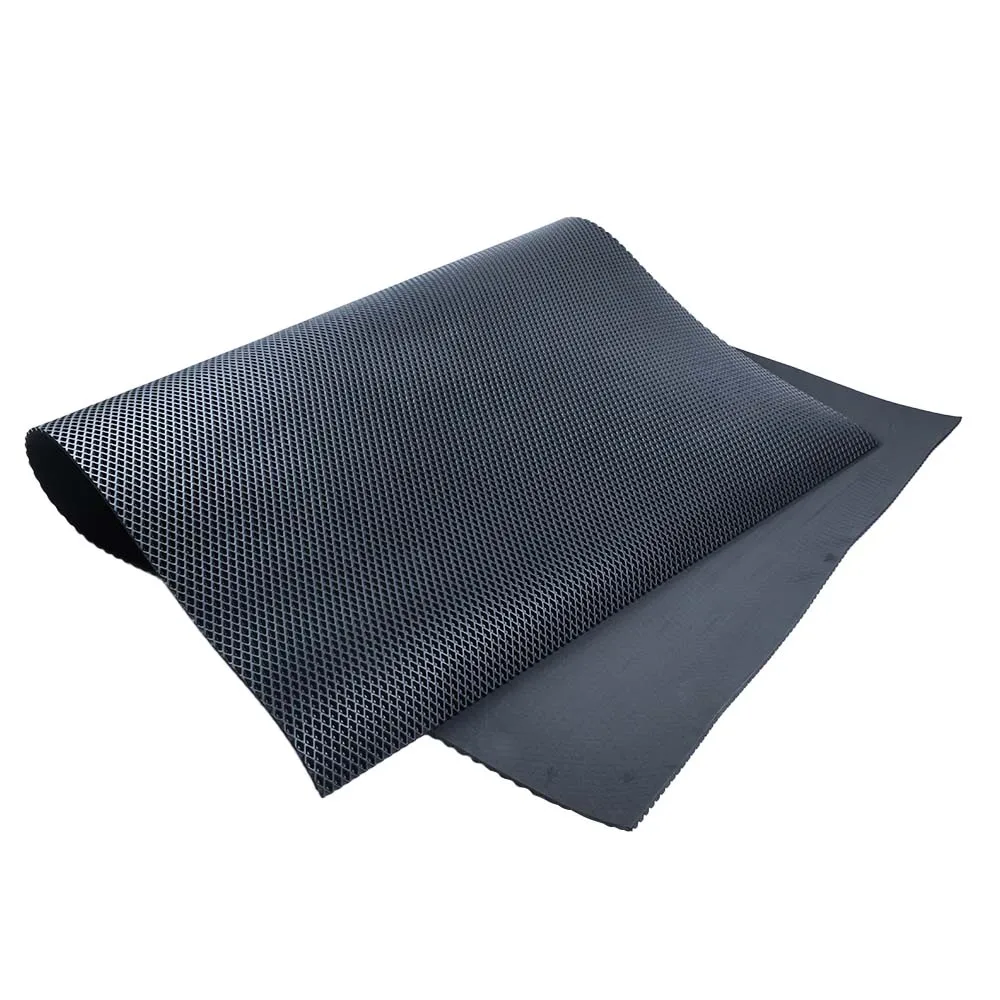
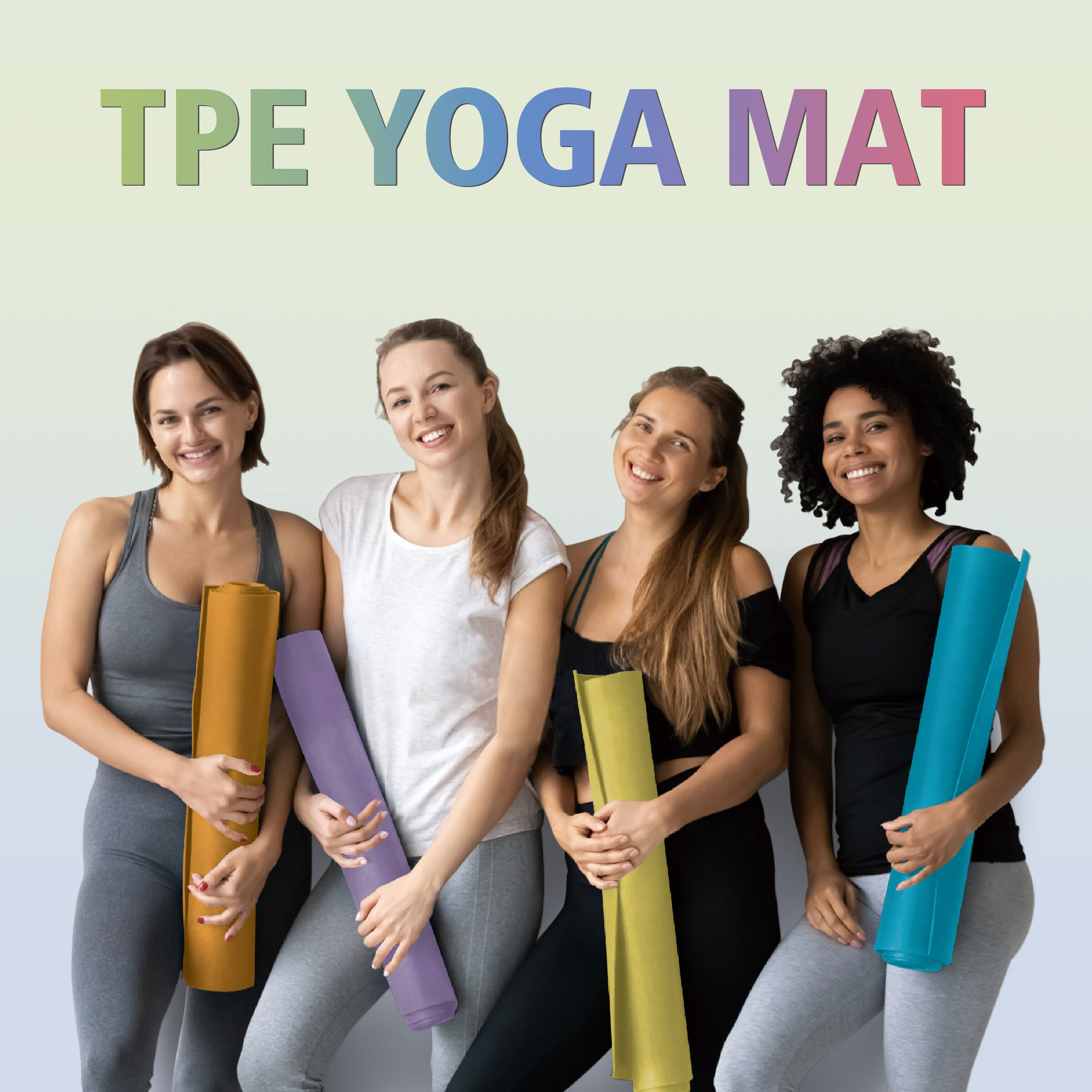
It is crucial, however, to align expectations with material science. Low-density EVA is not designed for high-load structural support or applications requiring significant compression resistance. Its durability under repeated, heavy compression is lower than that of its high-density counterparts. Therefore, its ideal applications leverage its strengths: as a protective interleaving layer, a lightweight filler, a comfortable backing for floor mats or yoga mats (where the primary cushioning comes from a higher-density core), or as a cost-effective medium for prototyping shapes before committing to a final, more durable material.
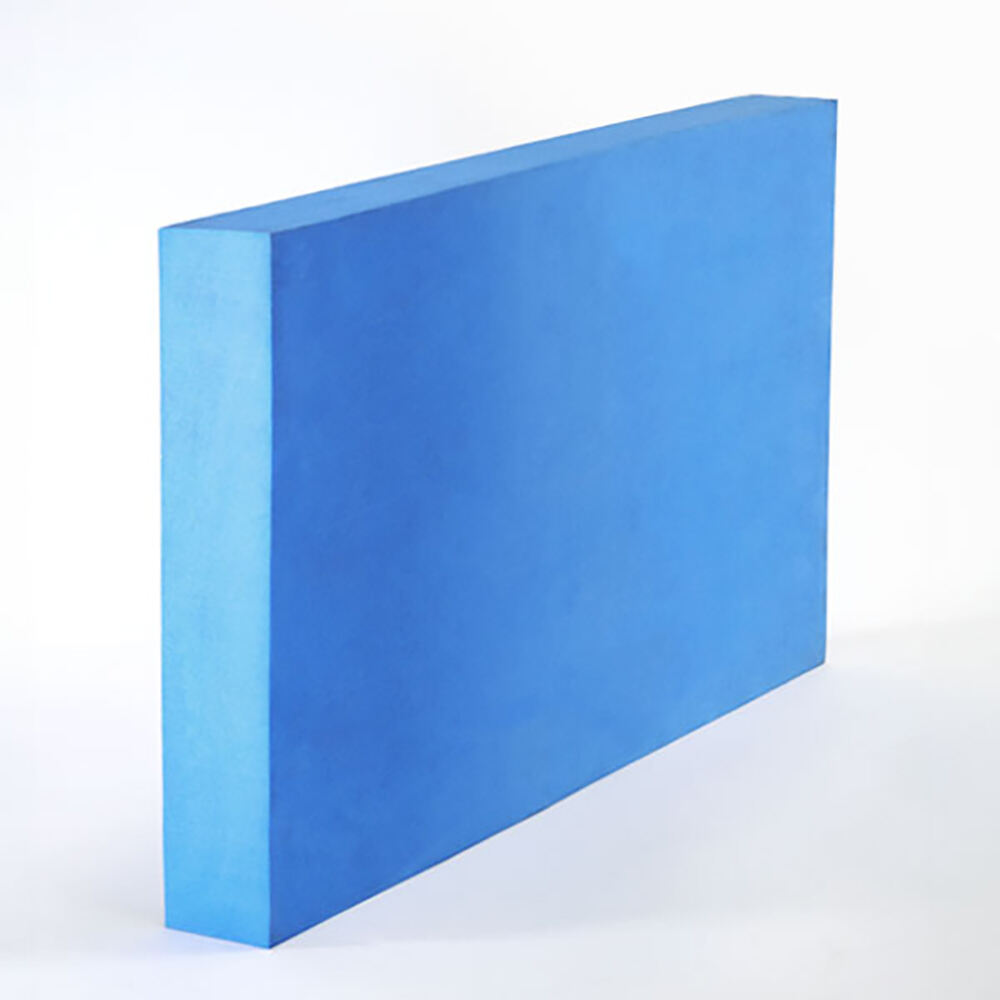
The value proposition deepens when leveraging a manufacturer’s customization capabilities. Our role extends beyond supplying generic sheets. We can precision-skim or slice these low-density blocks into consistently thin sheets for specific applications. We can laminate a smooth film on one side to prevent dusting or to create a moisture barrier, or bond it to a decorative fabric for display purposes. We can also provide it in custom colors to match brand schemes for point-of-sale materials or themed crafts.
In summary, Low Density EVA Foam Sheet is a strategic material choice defined by its light weight, soft cushioning, and ease of fabrication. It solves specific problems related to cost-efficiency, logistical weight, and gentle surface protection. For businesses involved in packaging, display manufacturing, craft supply, and product design, partnering with an experienced producer like us ensures access to a consistently high-quality material that can be precisely tailored, helping to create end products that are both functional and economically optimized.

 EN
EN