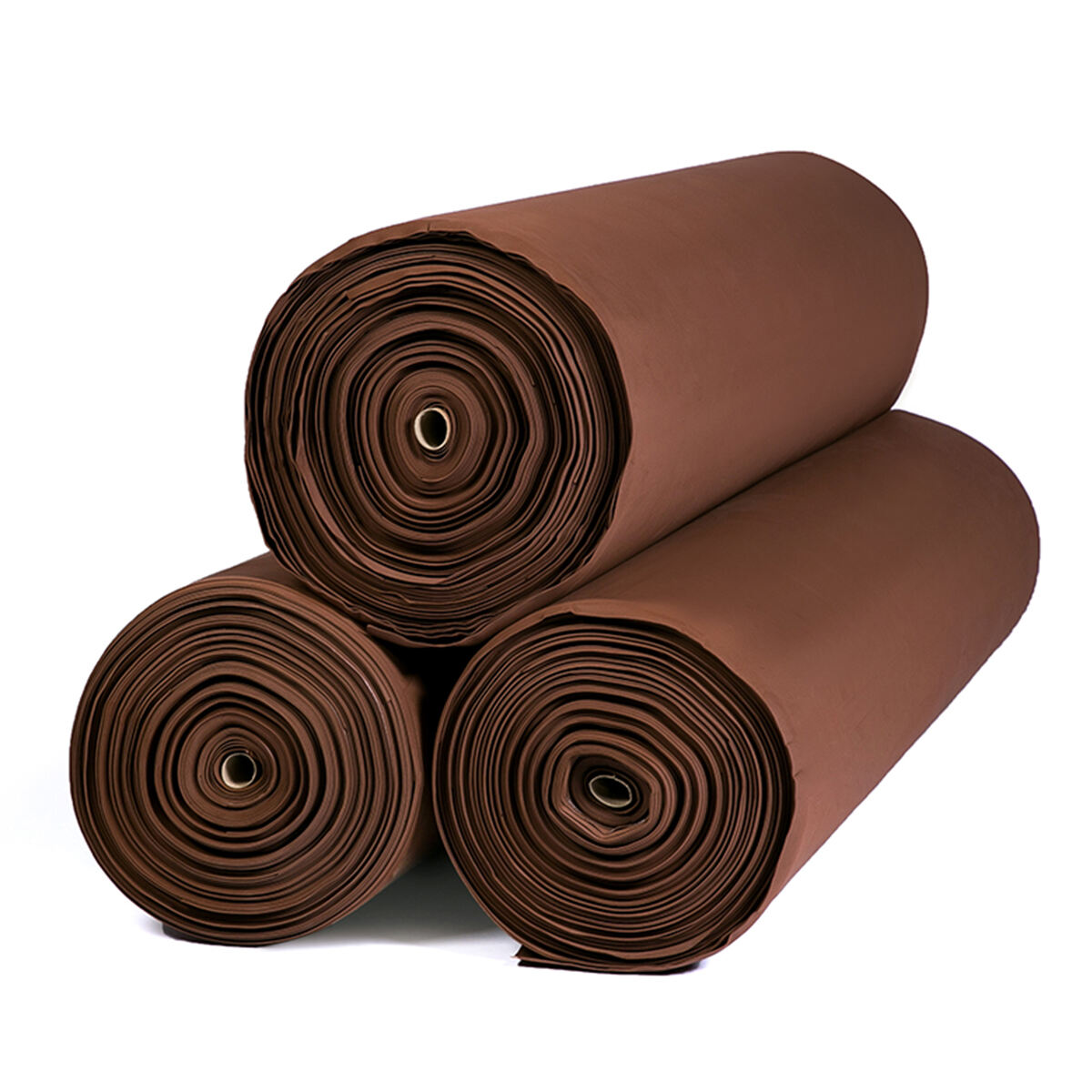
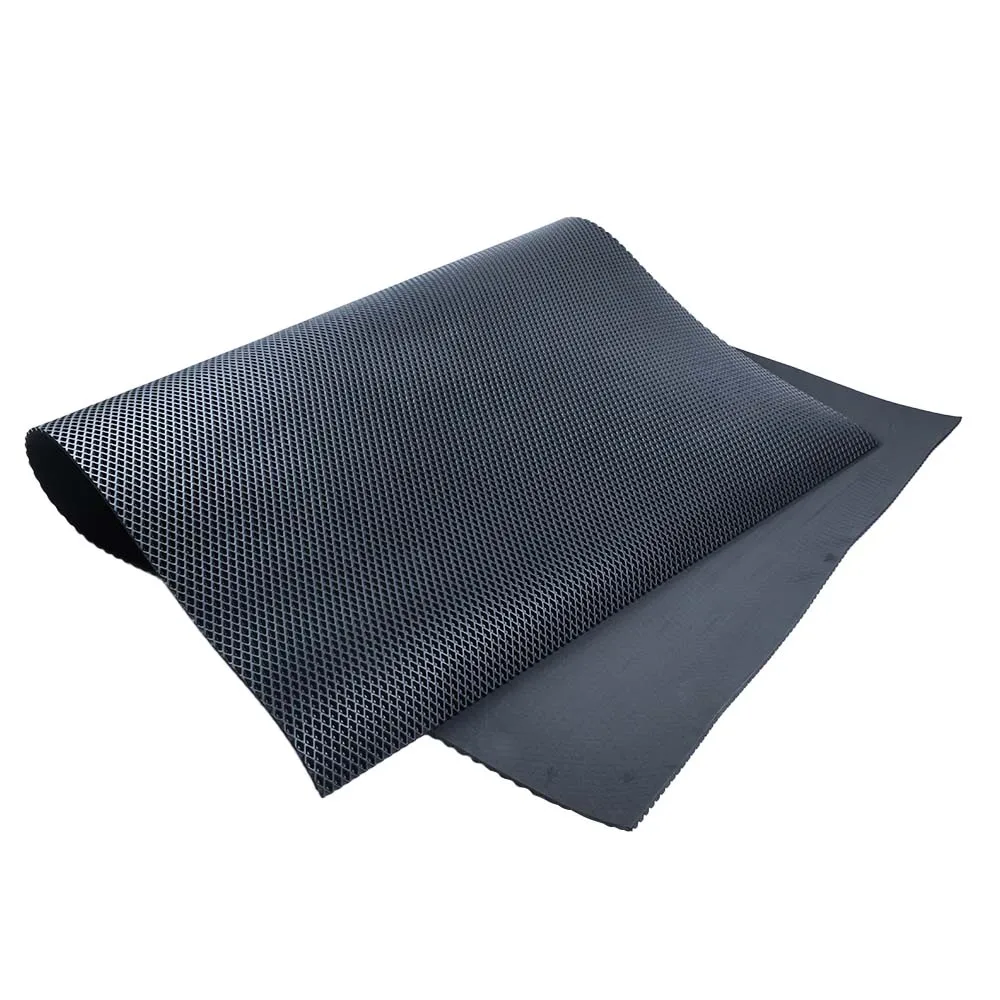
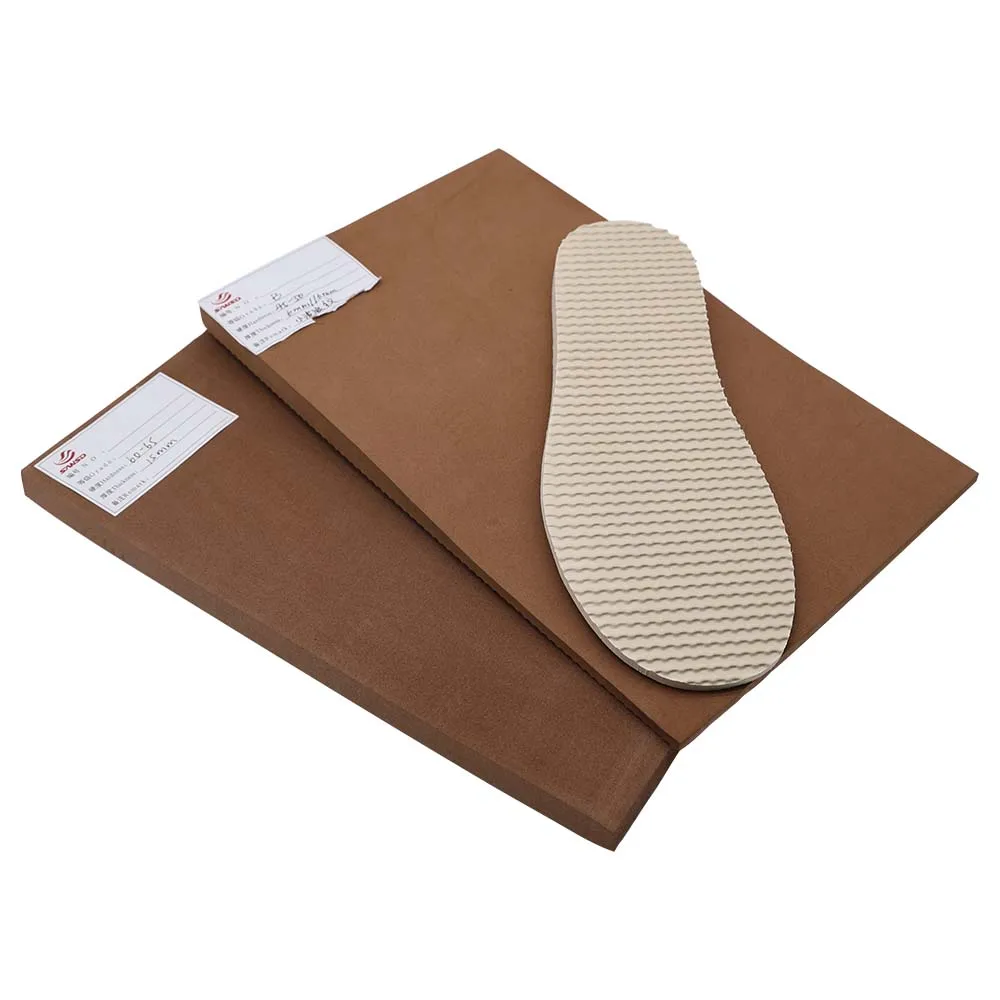
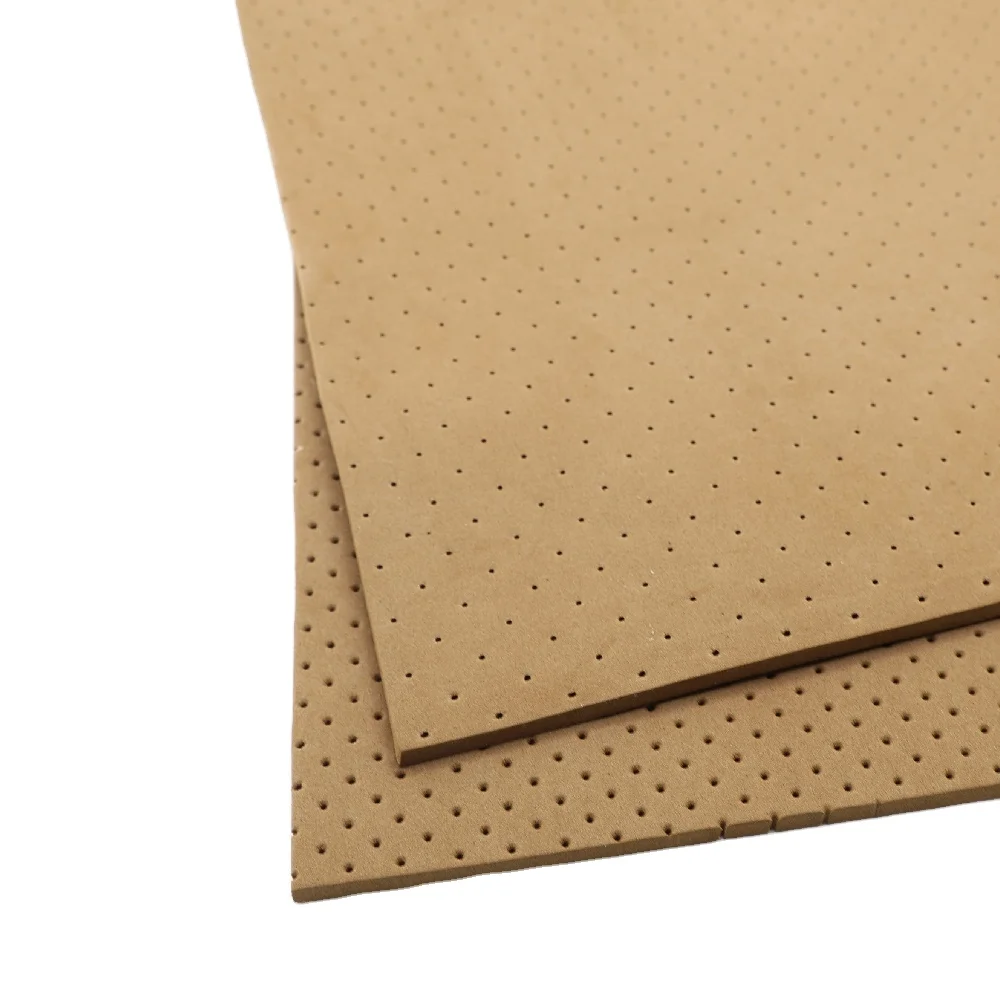
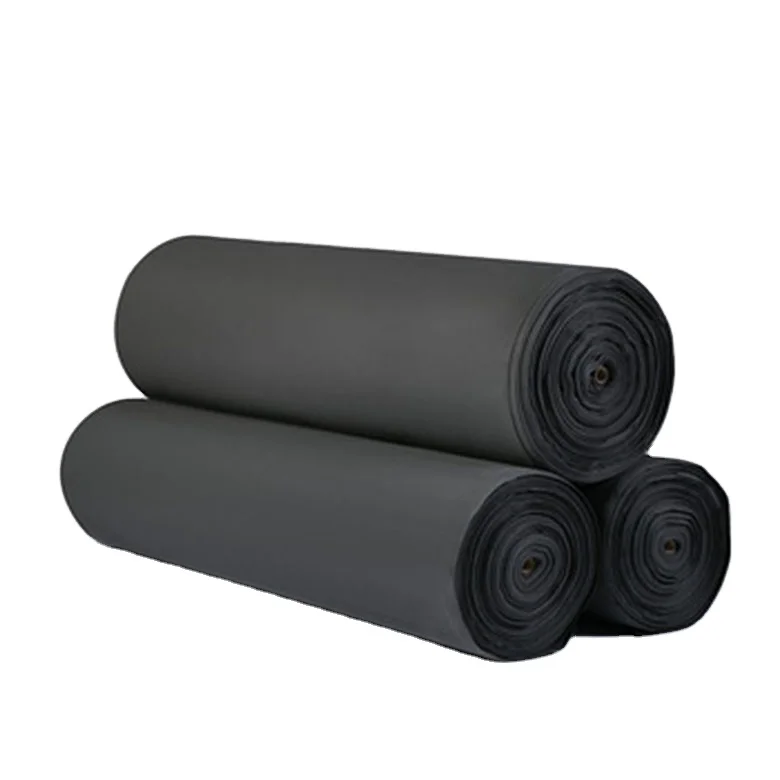
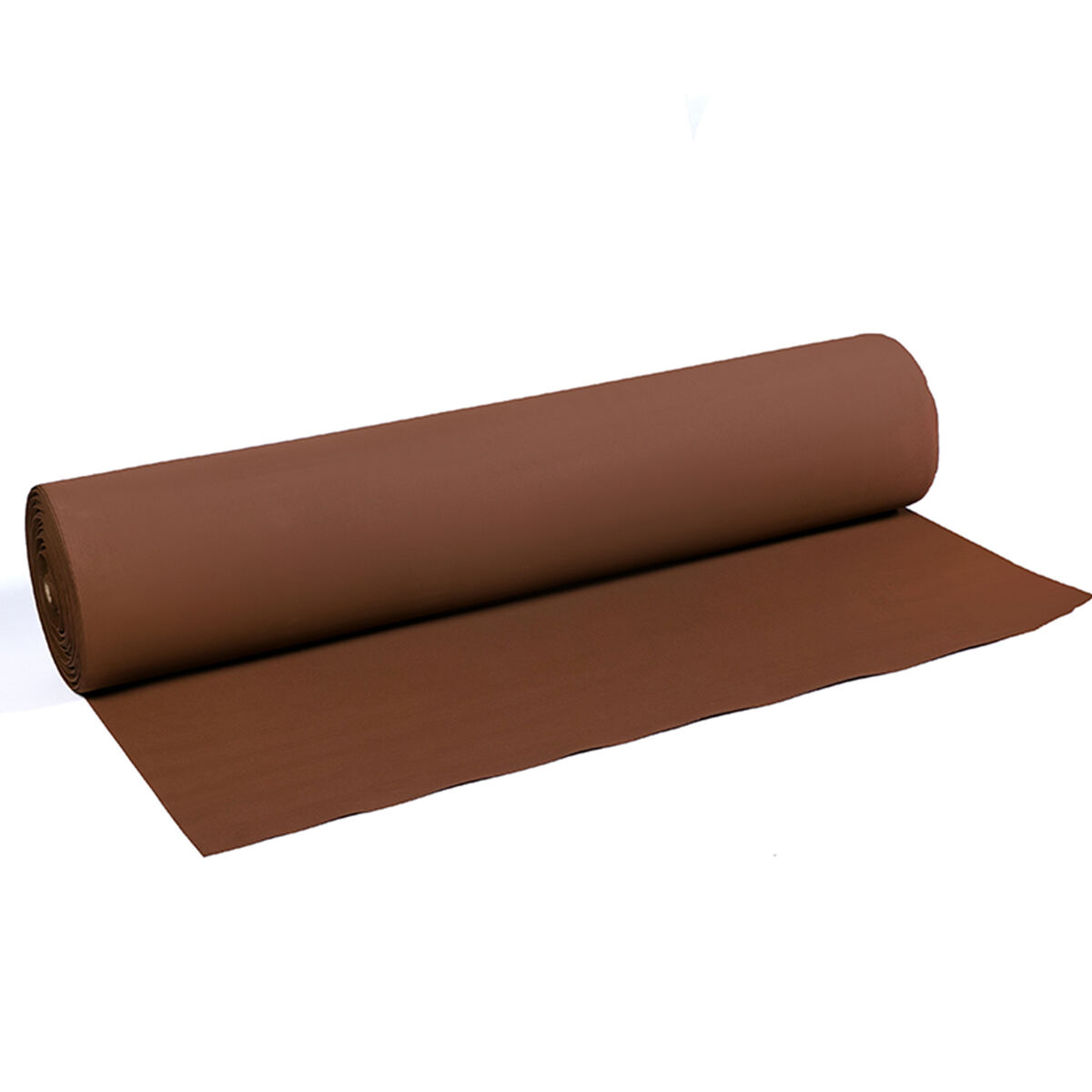
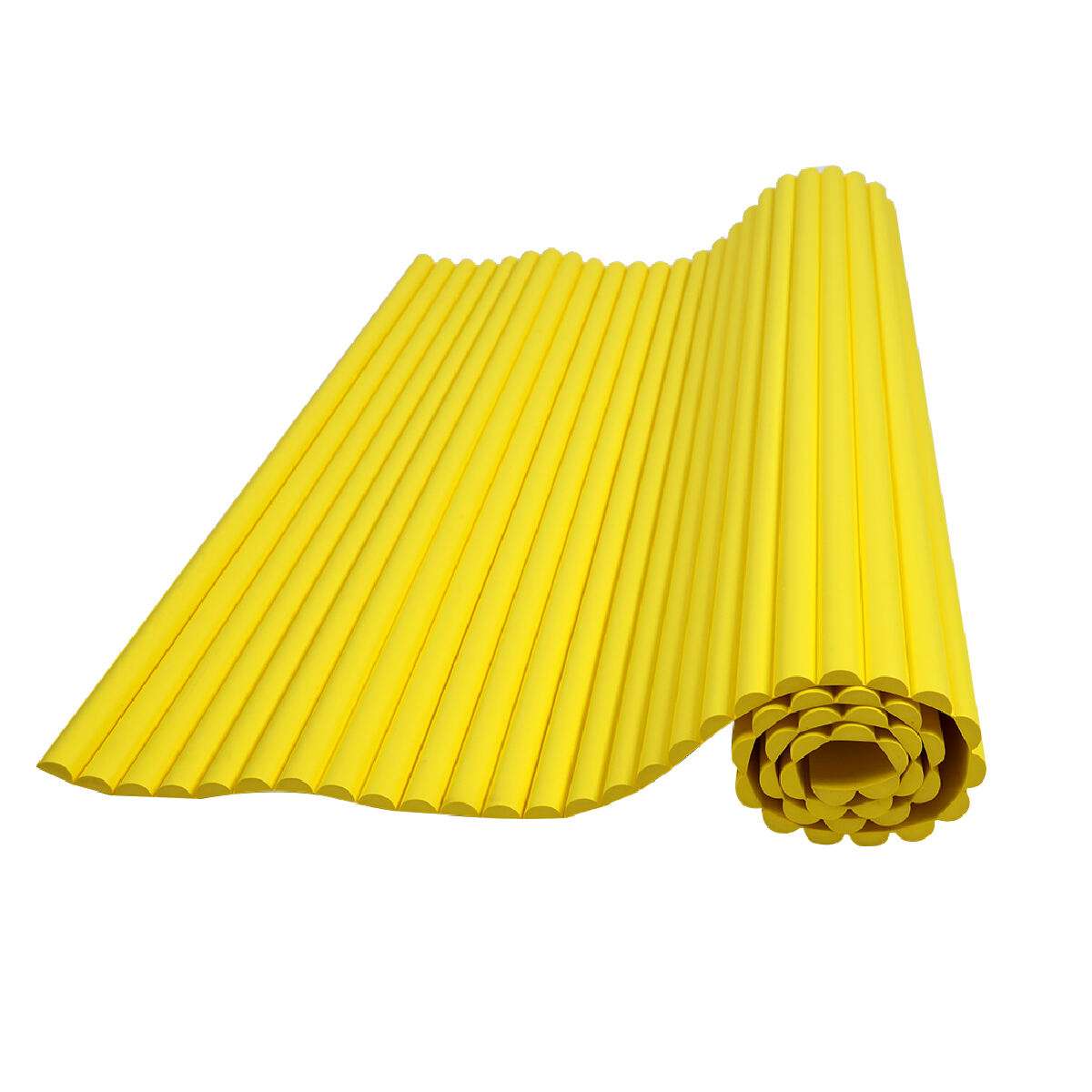
In the realm of engineered polymers, Flexible EVA Foam stands as a testament to the perfect marriage of chemistry and utility. Ethylene-Vinyl Acetate (EVA) copolymer, when foamed with precise control, yields a material whose defining characteristic—flexibility—unlocks a vast universe of applications. This flexibility is not a singular property but a carefully engineered balance between pliability for conformability and resilience for longevity. It is this balance that makes it indispensable for innovators and engineers seeking materials that move, protect, and endure.
The science behind its flexibility is rooted in its molecular structure. The vinyl acetate (VA) comonomer units disrupt the crystallization of polyethylene, imparting rubber-like toughness and flexibility at low temperatures. By varying the VA content and the foaming process, manufacturers can create a spectrum of materials. As an expert manufacturer with four decades of experience, we manipulate these variables to produce foams that range from supple and easily compressed to firm yet bendable. This means a product developer can source a foam soft enough for a child's puzzle mat yet specify a different grade from the same supplier that will serve as a durable, flexible gasket in outdoor equipment.
The functional benefits of this engineered flexibility are multi-faceted. Primarily, it delivers exceptional energy absorption and cushioning. Upon impact, the closed-cell structure compresses, dissipating force rather than transmitting it. This is non-negotiable in protective sports gear, automotive interiors, and premium packaging for electronics. Secondly, it offers superior conformability and comfort. Flexible EVA can mold to uneven surfaces, ensuring even pressure distribution. This is critical in orthopedic supports, ergonomic handles, and footwear, where it reduces hot spots and fatigue. Thirdly, it exhibits remarkable fatigue resistance and shape memory. High-quality flexible EVA is designed to return to its original form after repeated compression, bending, or twisting. This resistance to permanent deformation is a key quality metric we rigorously control, ensuring products don't prematurely fail or lose their protective or comfortable attributes.
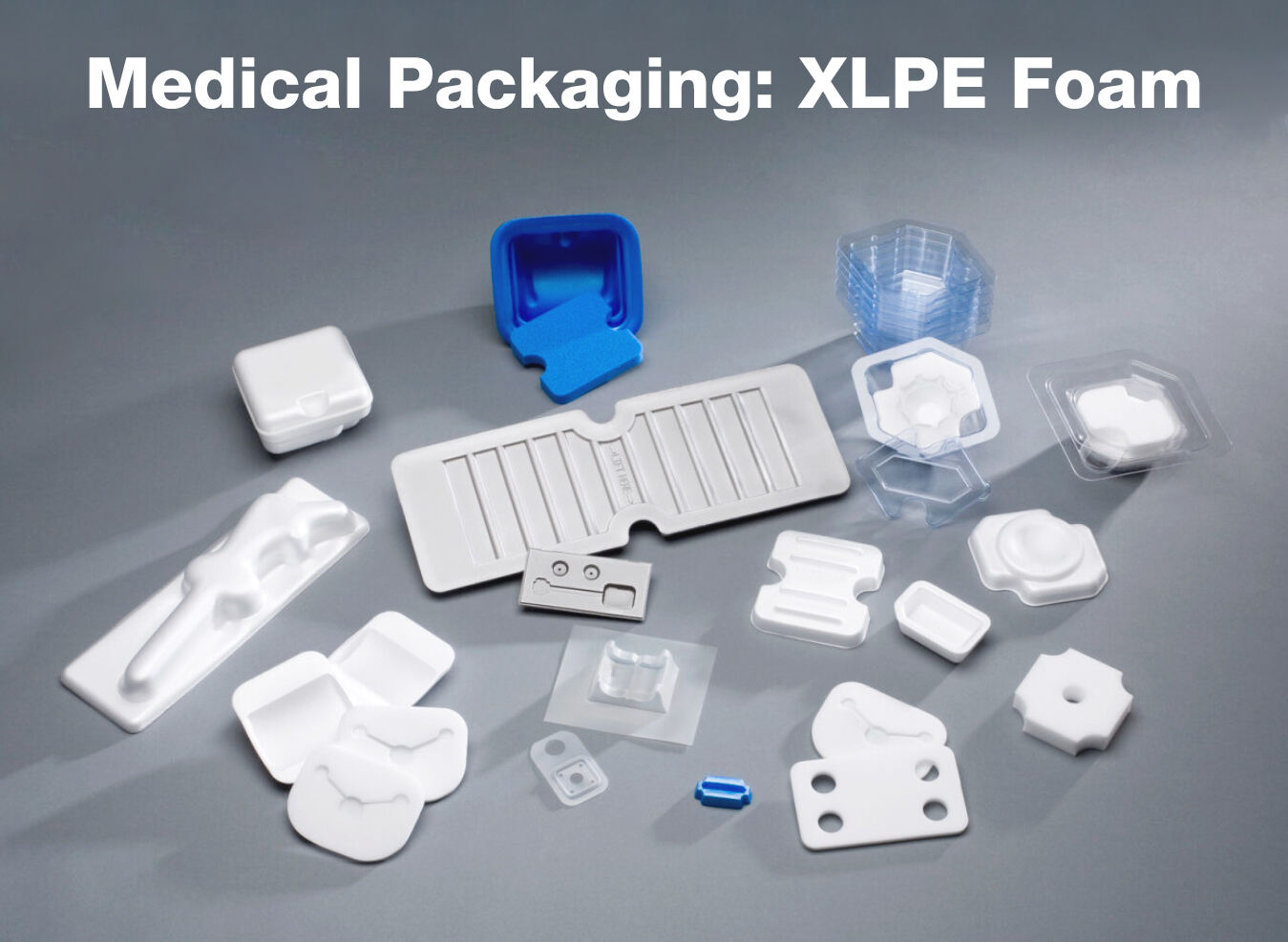
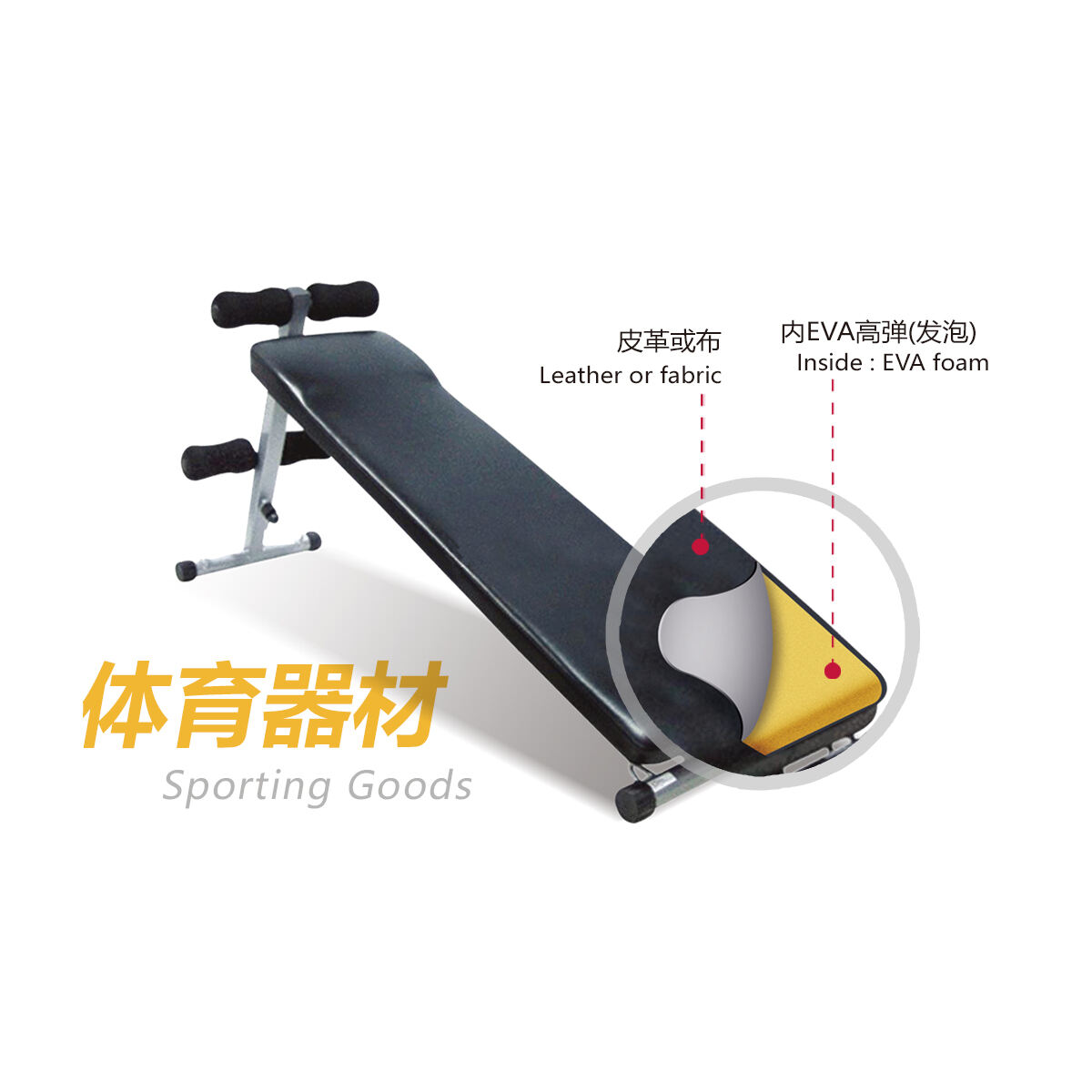
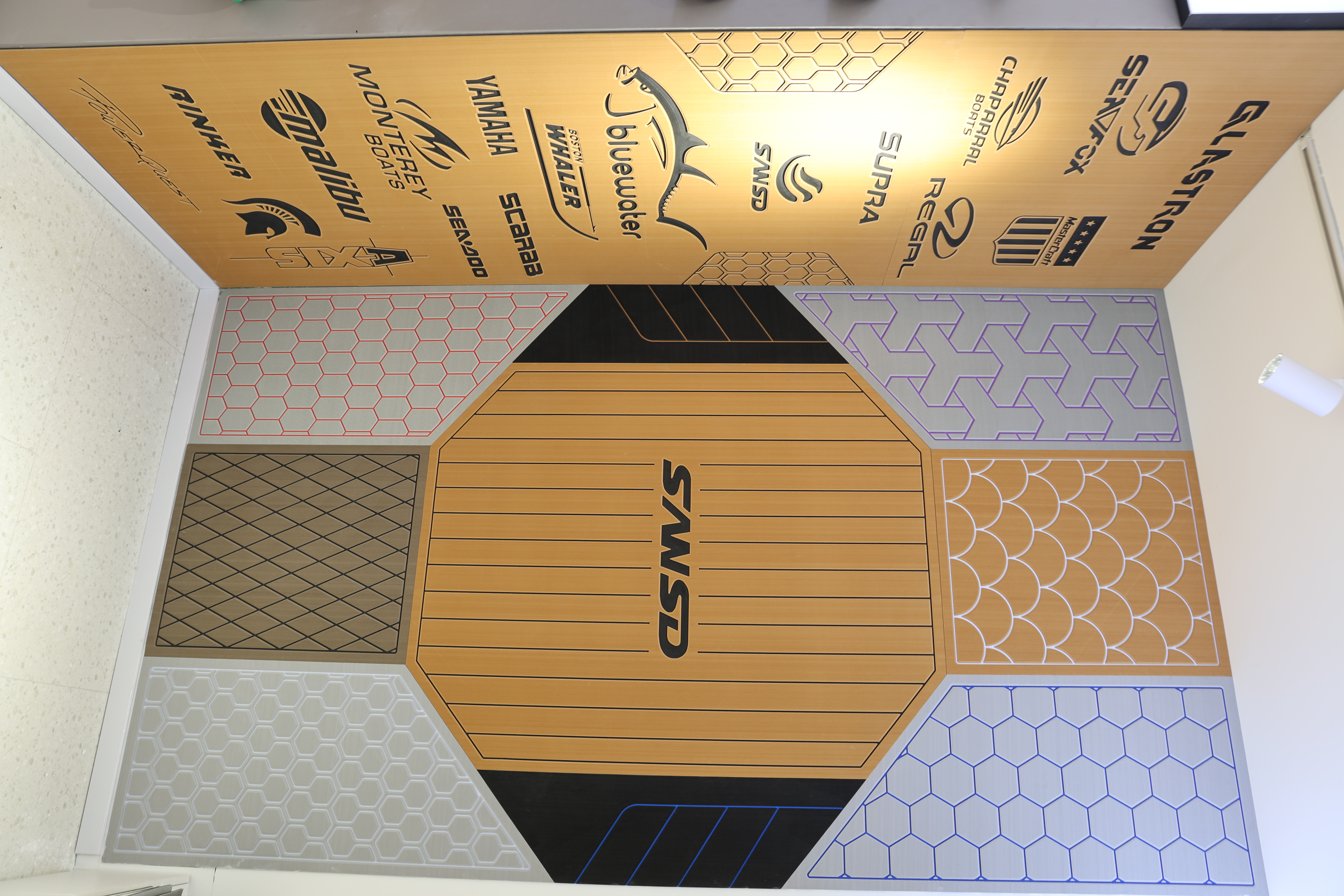
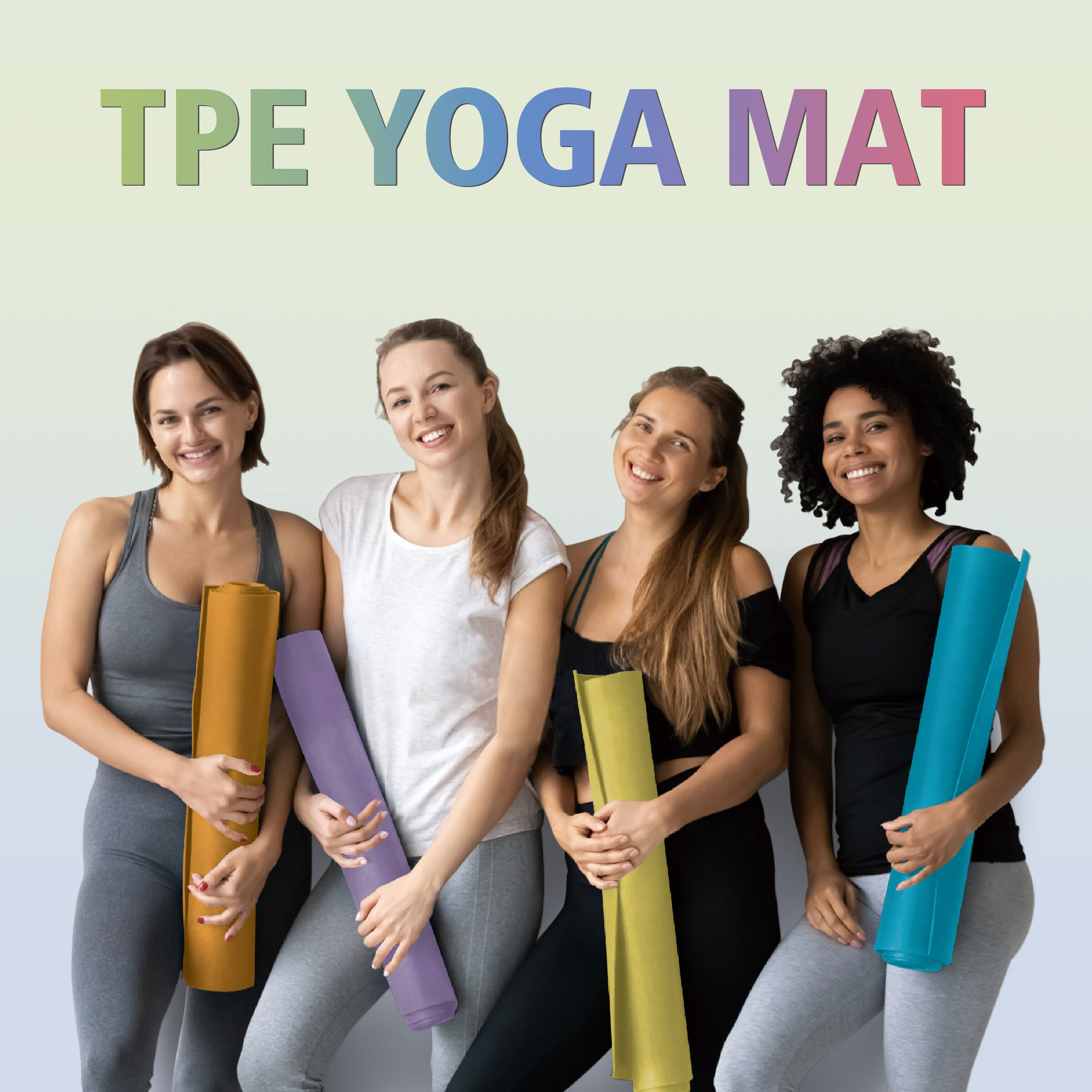
The proof of its versatility is evident in its cross-industry adoption. In the footwear and sporting goods sector, it is the material of choice for lightweight, flexible midsoles, sandal footbeds, and protective padding, prized for its shock absorption and comfort over extended wear. The packaging industry relies on its ability to be custom-molded into protective inserts that hold products securely in transit, mitigating shock and vibration damage. In consumer goods, it adds a layer of safe, washable comfort to toys, play mats, and household items. Furthermore, its utility in technical and industrial applications—such as vibration-damping pads, flexible seals, and buoyant components for marine use—highlights its performance under demanding conditions.
Selecting the right source for Flexible EVA Foam is as critical as the specification itself. The market is rife with foams that may initially feel flexible but lack the compounded integrity for long-term performance. Issues such as plasticizer migration (causing hardening), poor UV stability, or off-gassing of odors can derail a product. Our manufacturing legacy, backed by the SANSD Group, ensures material consistency, purity, and performance stability. We provide more than a commodity; we offer a certified, reliable material solution complemented by the technical support and custom fabrication expertise to turn complex designs into manufacturable realities.

 EN
EN