
 EN
EN


In today's competitive global market, ensuring the safe transit of products from manufacturer to end-user is a top priority for businesses across industries. As a leading force in foam material manufacturing, Quanzhou Wefoam Trading Co., Ltd. leverages over 40 years of expertise under the SANSD Group (Sansd) to provide innovative and sustainable solutions. Among our diverse offerings, PE foam sheets stand out as a superior choice for protective packaging. This article delves into the technical advantages, applications, and economic benefits of PE foam sheets, while highlighting our commitment to environmental responsibility through advanced recycling technologies.
Understanding PE Foam: A Material Overview
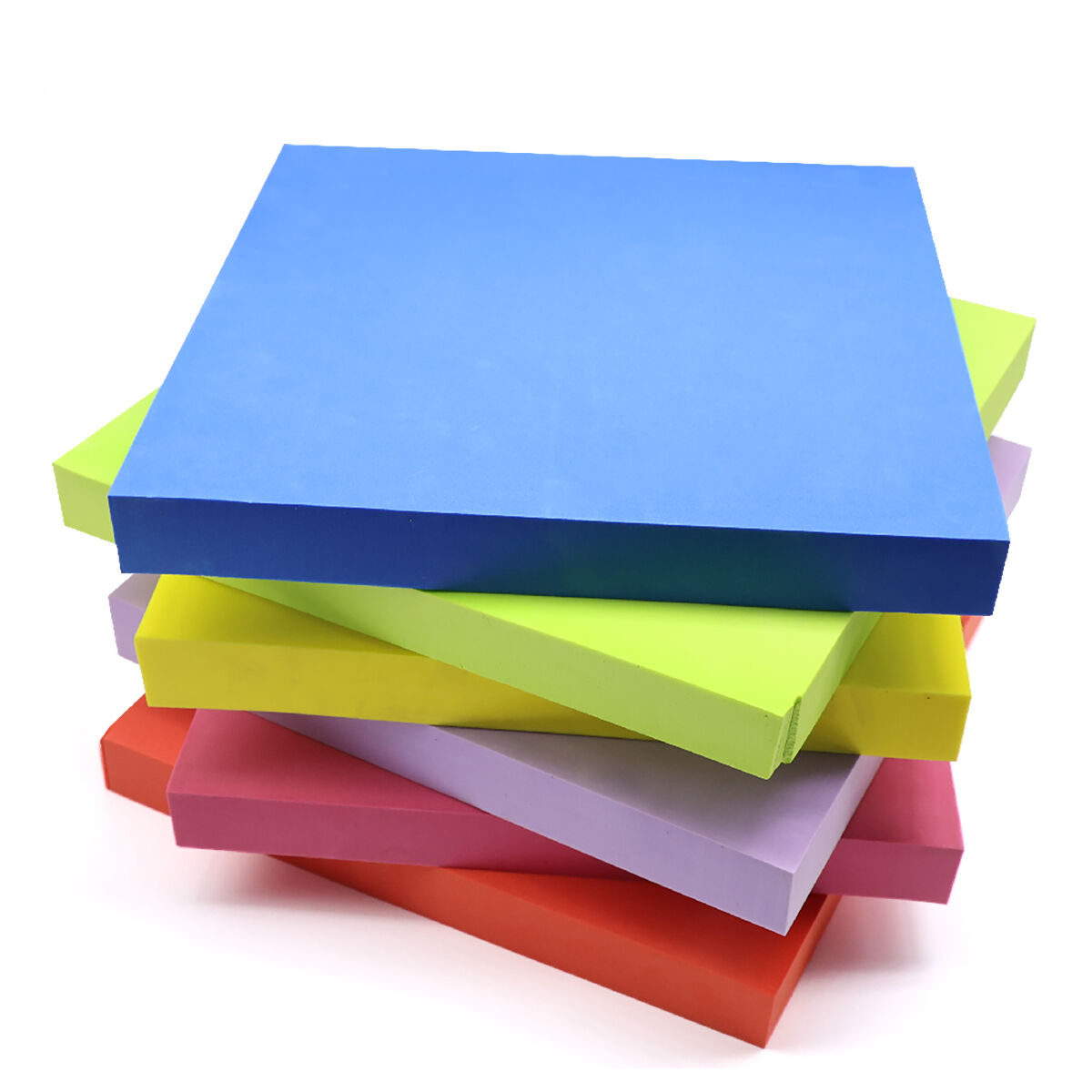
PE foam, or polyethylene foam, is a closed-cell, cross-linked foam material renowned for its lightweight yet durable structure. With a composition that ensures excellent cushioning, moisture resistance, and thermal insulation, PE foam sheets are engineered to withstand impacts, vibrations, and environmental stressors. At Quanzhou Wefoam, we produce PE foam in varying densities, thicknesses, and colors, tailored to meet specific packaging needs. From soft, pliable sheets for delicate items to rigid, high-density boards for heavy machinery, our PE foam portfolio caters to a wide range of industrial and commercial applications.
Key Benefits of PE Foam Sheets in Protective Packaging
1. Superior Cushioning and Impact Absorption
PE foam sheets excel in shock absorption due to their resilient closed-cell design. When used as packaging inserts or wrapping materials, they distribute external forces evenly, minimizing the risk of damage to fragile goods like electronics, glassware, or precision instruments. This makes PE foam an ideal choice for industries such as logistics, e-commerce, and manufacturing, where product integrity during shipping is critical.
2. Lightweight and Cost-Effective
Compared to traditional packaging materials like wood or dense plastics, PE foam sheets are incredibly lightweight. This reduces overall shipping weight, leading to lower transportation costs and a smaller carbon footprint—a key consideration for eco-conscious businesses. Additionally, their durability ensures reusability in many cases, offering long-term savings.
3. Moisture, Chemical, and Temperature Resistance
PE foam’s closed-cell structure acts as a barrier against water, oils, and most chemicals. This makes it suitable for packaging items exposed to humid conditions or variable temperatures, such as marine equipment, automotive parts, or pharmaceutical supplies. At Quanzhou Wefoam, our PE foam sheets undergo rigorous testing to ensure consistent performance in diverse environments.
4. Customization and Versatility
As part of our custom processing services, we offer PE foam sheets in various forms: oversized boards, rolls, die-cut shapes, or laminated with fabrics/leathers. This flexibility allows businesses to create tailored packaging solutions that fit exact product dimensions, enhancing protection while reducing material waste. Whether for sports shoes, toys, or industrial machinery, PE foam can be adapted to unique requirements.
5. Eco-Friendly and Sustainable Options
In response to global sustainability demands, we develop recyclable and biodegradable PE foam variants. These align with circular economy principles, helping businesses meet environmental regulations and appeal to green-minded consumers without compromising on protection.
Pioneering Sustainability: Sansd's Commitment to Circular Solutions
Beyond the inherent benefits of PE foam, the SANSD Group is dedicated to advancing the circular economy for foam materials. For our EVA foam products, we employ an advanced melting/thermal separation process to enable ecological recycling and closed-loop recovery. This innovative approach transforms post-industrial and post-consumer EVA foam waste into reusable raw materials, significantly reducing landfill dependency and the carbon footprint associated with virgin material production.
This initiative is supported by academic research in polymer sustainability. Experts in materials science note that "thermal separation methods represent a critical technological pathway for handling cross-linked polymer foams like EVA. While mechanical recycling faces limitations due to cross-linking, thermal processes can break down the structure to recover valuable hydrocarbon components, contributing to true material circularity" (synthesis of prevailing academic perspectives on polymer foam recycling). Sansd's investment in this technology underscores our holistic approach to sustainability, ensuring that our protective packaging solutions are not only high-performing but also environmentally responsible throughout their lifecycle.
Applications Across Industries
PE foam sheets are widely used in protective packaging for:
Consumer Goods: Electronics, appliances, and furniture padding.
Industrial Supplies: Machinery, tool kits, and automotive components.
Sports and Leisure: Packaging for gym pads, yoga mats, and footwear like slippers or sports shoes—areas where Quanzhou Wefoam’s expertise in both EVA and PE foam shines.
Marine and Aviation: Insulation and padding for decking or sensitive equipment.
Healthcare and Pharmaceuticals: Sterile packaging for medical devices.
Why Choose Quanzhou Wefoam for PE Foam Sheets?
With four decades of innovation under the SANSD Group, Quanzhou Wefoam Trading Co., Ltd. combines advanced manufacturing techniques with stringent quality control and a forward-thinking sustainability ethos. Our PE foam sheets are produced using state-of-the-art technology, ensuring uniformity, durability, and compliance with international standards. We offer end-to-end support, from material selection to custom processing (e.g., cutting, molding, drilling), empowering businesses to optimize their packaging strategies while aligning with environmental goals.
In summary, PE foam sheets provide an unmatched blend of protection, efficiency, and adaptability for modern packaging needs. By choosing a trusted and innovative supplier like Quanzhou Wefoam (Sansd), companies can safeguard their products while enhancing operational and environmental sustainability. Explore our product range at https://www.wefoameva.com/ to discover tailored foam solutions.
Frequently Asked Questions (FAQs)
1. How does PE foam compare to other packaging materials like EVA or EPS?
PE foam offers a unique balance of flexibility, moisture resistance, and lightweight cushioning. Unlike EPS (expanded polystyrene), which can be brittle, PE foam is more resilient and reusable. Compared to EVA foam, PE typically provides better water resistance and cost-efficiency for standard packaging, though EVA may excel in specific applications requiring higher elasticity or custom molding. Both EVA and PE foams from Sansd are developed with sustainability in mind, including our specialized recycling processes for EVA.
2. Can PE foam sheets be customized for irregularly shaped items?
Yes. At Quanzhou Wefoam, we specialize in custom processing, including precision cutting, molding, and laminating. PE foam sheets can be die-cut into precise shapes or fabricated into multi-layer inserts to securely hold irregular items, ensuring maximum protection during transit.
3. Are PE foam sheets environmentally friendly?
PE foam is recyclable and can be produced with eco-friendly additives to enhance biodegradability. We offer sustainable options that reduce environmental impact, aligning with global green packaging trends. Furthermore, our parent company Sansd is actively advancing circular economy models for foam materials, including via thermal separation recycling for EVA. Businesses should check local recycling facilities for specific disposal guidelines.
4. What industries benefit most from PE foam protective packaging?
PE foam is versatile and suits numerous sectors, including electronics, automotive, marine, healthcare, and consumer goods. Its shock-absorption and insulating properties make it particularly valuable for shipping fragile, high-value, or temperature-sensitive products. Partnering with Sansd ensures access to both high-performance materials and sustainable lifecycle solutions.