
 EN
EN


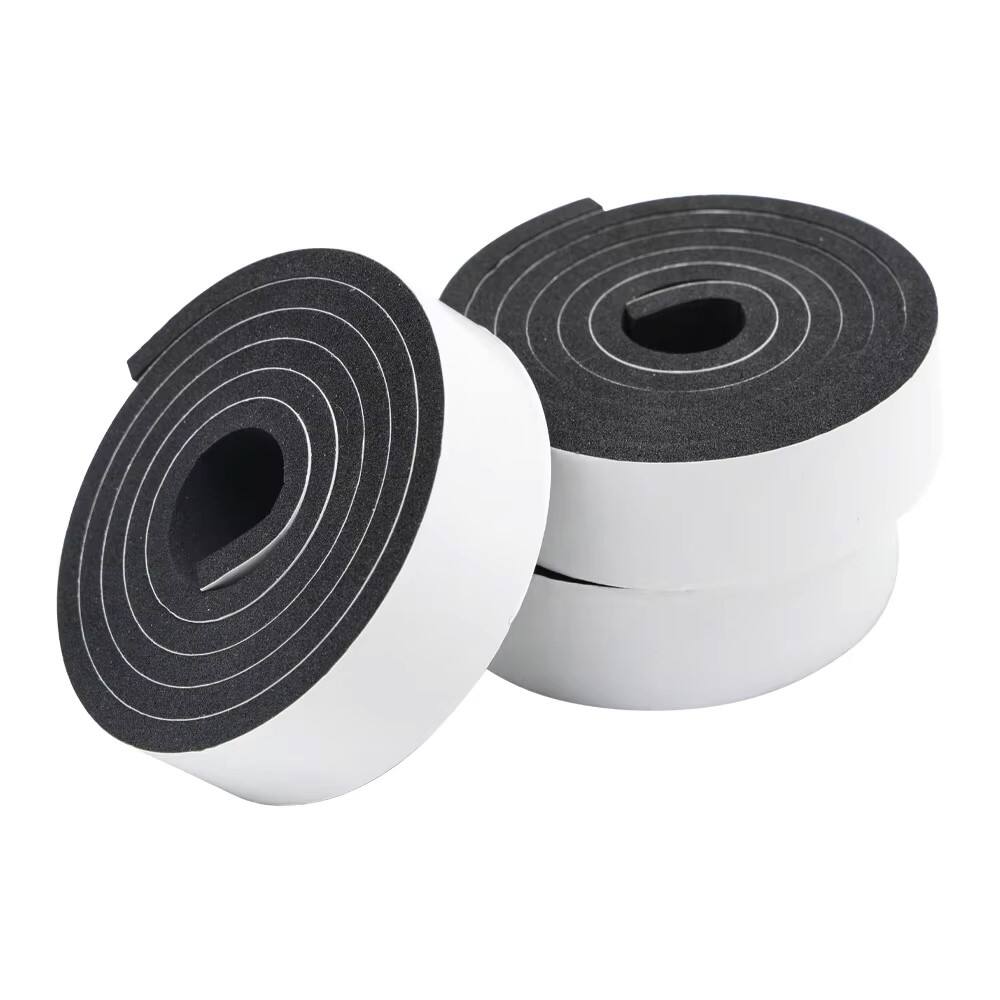
In the rapidly evolving electric vehicle (EV) industry, every component is engineered for performance, safety, and durability. Among these, sealing systems play a critical role in protecting sensitive electronics, ensuring passenger comfort, and maintaining structural integrity. EPDM foam, or Ethylene Propylene Diene Monomer foam, has emerged as a superior material of choice for advanced EV sealing applications. Backed by over 40 years of expertise within the Sansd Group, QUANZHOU WEFOAM TRADING CO., LTD leverages its deep knowledge in foam manufacturing to provide high-performance EPDM foam solutions that meet the stringent demands of modern electric mobility.
Why Sealing is Paramount in Electric Vehicles
Electric vehicles present unique challenges distinct from traditional internal combustion engine vehicles:
Sensitive Electronics: EVs house high-voltage battery packs, control units, and electric motors that are highly susceptible to moisture, dust, and debris.
Noise Reduction: The absence of engine noise makes wind and road noise more apparent, elevating the need for superior acoustic insulation.
Thermal Management: Battery efficiency and lifespan depend on stable thermal conditions, requiring seals that aid in thermal insulation.
Lightweighting: Every gram saved contributes to extended battery range, demanding materials that are effective yet lightweight.
EPDM foam expertly addresses these challenges, offering a combination of properties that synthetic rubbers or other foam materials often cannot match in a single profile.
The Multifaceted Advantages of EPDM Foam for EV Sealing
1.Exceptional Weather and Environmental Resistance
EPDM is renowned for its outstanding resistance to oxidation, ozone, and UV radiation. This intrinsic property translates to EPDM foam that does not crack, harden, or degrade when exposed to extreme weather conditions—from scorching summer heat to freezing winter temperatures. For EVs, which are exposed to diverse climates, this ensures long-term sealing performance for doors, windows, trunk lids, and panoramic roof seals, maintaining a protective barrier year after year.
2.Superior Water and Moisture Sealing
The closed-cell structure of EPDM foam provides an excellent barrier against water ingress. This is non-negotiable for protecting battery compartments and electrical connections from corrosion and short circuits. Its reliable sealing capability is crucial for under-hood applications and door sealing, where preventing moisture entry is vital for vehicle safety and longevity.
3.Excellent Thermal Insulation
Thermal management is central to EV design. EPDM foam exhibits low thermal conductivity, making it an effective insulator. This helps in maintaining optimal operating temperatures for battery packs and electronic components, while also contributing to cabin temperature stability, thereby reducing the load on the HVAC system and conserving battery energy.
4.Outstanding Compression Set Recovery
A seal must return to its original shape after being compressed. EPDM foam boasts excellent compression set resistance, meaning it maintains its sealing force over thousands of compression cycles (like door openings/closings) without taking a permanent set. This ensures consistent sealing performance and noise isolation throughout the vehicle's lifespan, preventing the development of gaps or whistling sounds over time.
5.Vibration Damping and Acoustic Insulation
The foam's inherent elasticity and cellular structure absorb vibrations and dampen sound effectively. In the quiet cabin of an EV, EPDM foam seals around doors, windows, and between panels play a significant role in blocking wind noise, road noise, and general NVH (Noise, Vibration, and Harshness), enhancing the premium, serene driving experience consumers expect.
6.Chemical Compatibility
EPDM foam demonstrates good resistance to polar fluids, alkalis, and many diluted acids. This is particularly valuable in areas where the seal might come into contact with cleaning agents, road salts, or battery electrolytes, ensuring material integrity is not compromised.
7.Design Flexibility and Customization
As a leader in foam manufacturing, WEFOAM provides EPDM foam in various forms—from rolls and sheets to intricately molded profiles and die-cut gaskets. Through custom processing like precision cutting, molding, and lamination with fabrics or films, EPDM foam seals can be tailored to fit complex geometries of EV doors, charging port flaps, battery tray gaskets, and interior trim seals.
8.Eco-Friendly and Recyclable Through Advanced Technologies
Aligned with the sustainability goals of the EV industry, Sansd employs innovative melt/separation thermal recycling methods for EVA foam materials, offering a closed-loop solution that reduces environmental impact. As noted by materials science experts, such thermal separation processes enable efficient recovery and reuse of polymer components, supporting circular economy principles in automotive manufacturing. This approach not only extends material lifecycle but also minimizes waste, reinforcing Sansd’s commitment to sustainable innovation.
Applications of EPDM Foam in Electric Vehicles
Door and Window Seals: Primary sealing for weather, noise, and dust.
Battery Pack Sealing: Critical gaskets that safeguard the battery from environmental contaminants.
Charge Port Seals: Protect the charging inlet from moisture and dirt.
Light Housing Gaskets: Ensure waterproofing for exterior LED lights.
Interior Trim and Panel Seals: Reduce squeaks, rattles, and provide acoustic insulation.
Under-Hood and Underbody Seals: Shield components from road spray, debris, and noise.
Conclusion
The transition to electric mobility demands materials that are not just adequate but exceptional. EPDM foam stands out as a robust, versatile, and highly reliable solution for the multifaceted sealing challenges of electric vehicles. Its blend of environmental resilience, durable sealing, thermal and acoustic properties, customization potential, and eco-friendly recyclability makes it an indispensable component in EV design.
At QUANZHOU WEFOAM TRADING CO., LTD., we combine four decades of Sansd Group expertise with advanced manufacturing capabilities to supply the automotive industry with high-grade EPDM foam materials. We partner with EV manufacturers and suppliers to develop sealing solutions that enhance vehicle performance, safety, and comfort. Explore how our innovative EPDM foam can seal the future of your electric vehicle projects.
EPDM Foam for EV Sealing: Frequently Asked Questions (FAQ)
Q1: How does EPDM foam compare to traditional PVC or rubber seals for EV applications?
A1: EPDM foam significantly outperforms materials like PVC in key areas for EVs. While PVC can become brittle in cold weather and degrade under UV exposure, EPDM maintains flexibility from -40°C to +120°C and is highly weather-resistant. Compared to solid rubber, EPDM foam offers superior lightweighting and better compression recovery for a tighter, longer-lasting seal, which is crucial for noise-sensitive electric vehicles.
Q2: Can EPDM foam be used for sealing high-voltage battery enclosures?
A2: Absolutely. This is one of its most critical applications. The closed-cell structure of EPDM foam provides an excellent barrier against moisture and dust ingress, which is essential for preventing corrosion and electrical faults in battery packs. Its thermal insulation properties also aid in maintaining a stable temperature environment for the battery cells. It must be specified in the appropriate density and compression grade to meet strict automotive IP (Ingress Protection) ratings.
Q3: Is EPDM foam environmentally friendly and suitable for sustainable EV manufacturing goals?
A3: Yes, EPDM foam aligns well with sustainability goals. EPDM rubber itself is durable and long-lasting, which reduces waste from frequent replacements. Furthermore, Sansd’s advanced melt/separation thermal recycling method for foam materials enables efficient recovery and reuse, supporting a circular economy model. As highlighted by industry researchers, thermal separation technology allows for the effective recycling of polymer-based foams, reducing landfill waste and conserving resources. This, combined with the material’s role in improving energy efficiency through thermal insulation and lightweighting, directly contributes to the EV's extended range and lower overall environmental impact.
Table of Contents
- Why Sealing is Paramount in Electric Vehicles
-
The Multifaceted Advantages of EPDM Foam for EV Sealing
- 1.Exceptional Weather and Environmental Resistance
- 2.Superior Water and Moisture Sealing
- 3.Excellent Thermal Insulation
- 4.Outstanding Compression Set Recovery
- 5.Vibration Damping and Acoustic Insulation
- 6.Chemical Compatibility
- 7.Design Flexibility and Customization
- 8.Eco-Friendly and Recyclable Through Advanced Technologies
- Applications of EPDM Foam in Electric Vehicles
- Conclusion
- EPDM Foam for EV Sealing: Frequently Asked Questions (FAQ)