
 EN
EN


As a leading manufacturer in the foam industry, Quanzhou Wefoam Trading Co., Ltd., backed by the SANSD Group's over 40 years of expertise, is often asked: "Does high-density EVA foam last longer?" This is a critical question for businesses and designers across sectors—from sportswear and luggage to marine decking and industrial packaging. The short answer is a qualified yes, but the full explanation reveals a nuanced interplay of material science, application demands, manufacturing quality, and a growing commitment to lifecycle sustainability.
Understanding Density in EVA Foam
First, let's define "density" in the context of EVA foam (ethylene-vinyl acetate). Density refers to the mass per unit volume, typically measured in kilograms per cubic meter (kg/m³) or pounds per cubic foot (pcf). It indicates how much material is packed into the foam structure.
Low-Density EVA Foam: Features a more open cell structure with more air pockets. It is generally softer, more flexible, and lightweight.
High-Density EVA Foam: Possesses a tighter, more compact cell structure. It feels firmer, more rigid, and offers less compression under load.
The Longevity Equation: Why Density Matters
The correlation between high-density EVA foam and durability stems from several key physical properties:
1.Enhanced Resistance to Compression Set
This is the primary factor for longevity. Compression set is a material's tendency to permanently deform after prolonged pressure. High-density EVA foam, with its robust cell walls, resists this deformation far better than its low-density counterparts. For example, in sports shoe midsoles or gym mats, high-density foam maintains its supportive shape and thickness over years of repeated impact, whereas softer foam may bottom out.
2.Superior Abrasion and Tear Strength
The compact structure provides greater resistance to surface wear, scuffing, and tearing. This is vital for applications like luggage lining, marine decking pads, and industrial padding, where materials face constant friction and mechanical stress. A high-density formulation extends the product's functional and aesthetic life.
3.Improved Load-Bearing and Structural Integrity
Higher density directly translates to better weight distribution and support. In packaging for delicate electronics or heavy equipment, high-density EVA foam offers superior cushioning and protection against shock, preventing damage over multiple handling cycles. Similarly, in yoga mats or flooring underlayment, it provides stable, unwavering support.
4.Environmental Resistance
While all EVA foam offers good moisture and ozone resistance, denser varieties often demonstrate enhanced performance against environmental factors like UV exposure and temperature fluctuations, especially when compounded with stabilizers. This is crucial for outdoor applications.
The Critical Caveats: Density Isn't the Only Factor
At Wefoam, we emphasize that density alone does not guarantee longevity. It is one pillar of performance.
Material Quality: Virgin, high-grade EVA resin produces foam with superior elastic recovery and consistency compared to blends with recycled content.
Cross-Linking Technology: Our advanced manufacturing processes (chemically or physically cross-linked foam) create stronger molecular bonds within the EVA foam, dramatically enhancing durability, resilience, and resistance to chemicals and heat.
Application-Specific Design: Lasting performance requires the right foam for the job. An ultra-high-density foam might be perfect for industrial applications but unnecessarily rigid for soft toy fillers. Our expertise lies in guiding clients to the optimal balance of density, hardness, and elasticity.
Commitment to a Circular Lifecycle: True durability considers the material's end of life. At SANSD, we are pioneering the future of foam sustainability through advanced recycling. We employ melt/thermal separation methods to enable the ecological recycling of EVA foam materials. This aligns with expert insights advocating for polymer recovery as key to reducing landfill waste and promoting a circular economy. It ensures our high-performance materials are designed with responsibility for their entire lifecycle.
Wefoam's High-Density EVA Solutions: Engineered for Endurance
Leveraging the SANSD Group's 40-year heritage, we produce high-density EVA foam that is engineered for endurance and sustainability. Our capabilities include:
Custom Formulation: We adjust the vinyl acetate content and additives to fine-tune properties like elasticity, color, and flame retardancy alongside density.
Precision Processing: Through custom cutting, molding, and fabric/leather lamination, we transform high-density foam boards and rolls into durable components for sports shoes, protective packaging, automotive interiors, and more.
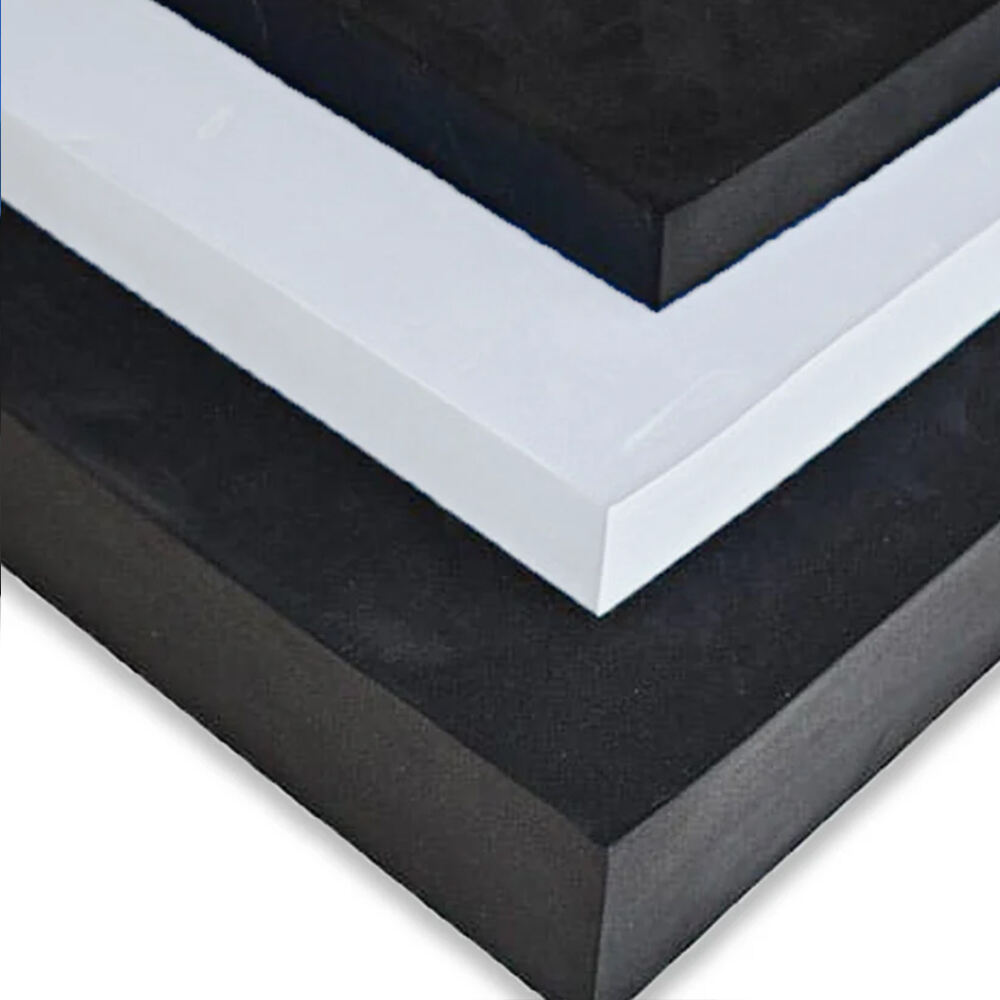
Versatile Formats: Available in oversized foam boards, rolls, sheets, and pre-fabricated mats, our high-density materials serve diverse industry needs.
Conclusion
So, does high-density EVA foam last longer? In the vast majority of applications requiring durability, structural support, and resistance to wear, high-density EVA foam is unequivocally the longer-lasting choice. Its inherent physical properties provide a foundation for extended product life cycles.
However, true longevity is achieved by partnering with a manufacturer that controls quality from raw material to finished product and invests in sustainable material cycles. At Quanzhou Wefoam Trading Co., Ltd., we don't just sell foam; we deliver material solutions where density is precisely calibrated with world-class compounding, processing, and a commitment to circularity—like our melt/thermal separation recycling—to maximize service life and minimize environmental impact. For your next project in footwear, sports gear, packaging, or any industrial field, consider the enduring performance of our tailored high-density EVA foam materials.
FAQs: High-Density EVA Foam Durability
Q1: How does the density of EVA foam compare to PE or EPDM foam in terms of lifespan?
A1: Each foam type has its strengths. High-density EVA foam offers an excellent balance of flexibility, water resistance, and cushioning durability, making it ideal for consumer goods and footwear. PE foam (Polyethylene) is often more rigid and chemically resistant, suited for heavy-duty packaging. EPDM foam has exceptional weather and UV resistance, preferred for long-term outdoor sealing. Lifespan depends on the specific environment; Wefoam's experts can recommend the best material for your application.
Q2: Can high-density EVA foam be used for custom-molded parts that need to withstand daily impact?
A2: Absolutely. Custom molding is one of our specialties. High-density EVA foam is excellent for molded parts requiring impact resistance and shape retention, such as ergonomic handles, gaskets, or protective casings. Its closed-cell structure ensures durability against daily compression and physical stress.
Q3: For marine decking applications, is high-density EVA foam resistant to saltwater and fading?
A3: Yes, our formulated high-density EVA foam is well-suited for marine decking. It is inherently waterproof and resistant to saltwater corrosion. For enhanced longevity against fading, we can provide UV-stabilized grades during compounding. Combined with fabric or leather lamination, the result is a comfortable, durable, and weather-resistant marine surface.
Q4: We need a foam for protective packaging that is both soft to the touch and durable for multiple uses. Is high-density EVA a contradiction here?
A4: Not at all. "Density" and "hardness" are related but distinct. We can engineer EVA foam with a higher density for longevity and load-bearing, while adjusting its formulation to achieve a softer, consumer-friendly feel. This makes it perfect for reusable luxury packaging, protective cases for electronics, or delicate instrument lining that requires both tactile appeal and robust protection.
For more information on our sustainable and high-performance foam solutions, please visit our website at https://www.wefoameva.com/.
Table of Contents
- Understanding Density in EVA Foam
- The Longevity Equation: Why Density Matters
- The Critical Caveats: Density Isn't the Only Factor
- Wefoam's High-Density EVA Solutions: Engineered for Endurance
- Conclusion
-
FAQs: High-Density EVA Foam Durability
- Q1: How does the density of EVA foam compare to PE or EPDM foam in terms of lifespan?
- Q2: Can high-density EVA foam be used for custom-molded parts that need to withstand daily impact?
- Q3: For marine decking applications, is high-density EVA foam resistant to saltwater and fading?
- Q4: We need a foam for protective packaging that is both soft to the touch and durable for multiple uses. Is high-density EVA a contradiction here?