 ×
×

In industries ranging from sports equipment to marine decking, the choice of material is critical for performance, durability, and ease of maintenance. A question we frequently encounter at QUANZHOU WEFOAM TRADING CO., LTD, backed by over 40 years of expertise within the SANSD Group, is: Are EVA foam sheets waterproof and easy to clean?
The short answer is a definitive yes. EVA (Ethylene-Vinyl Acetate) foam is renowned for its excellent water resistance and straightforward cleaning properties. However, to make an informed decision for your specific application—be it shoe insoles, gym mats, protective packaging, or marine applications—a deeper understanding is essential.
Unlike open-cell foams that absorb liquids like a sponge, EVA foam sheets are typically manufactured as closed-cell materials. This fundamental structure is key to their performance.
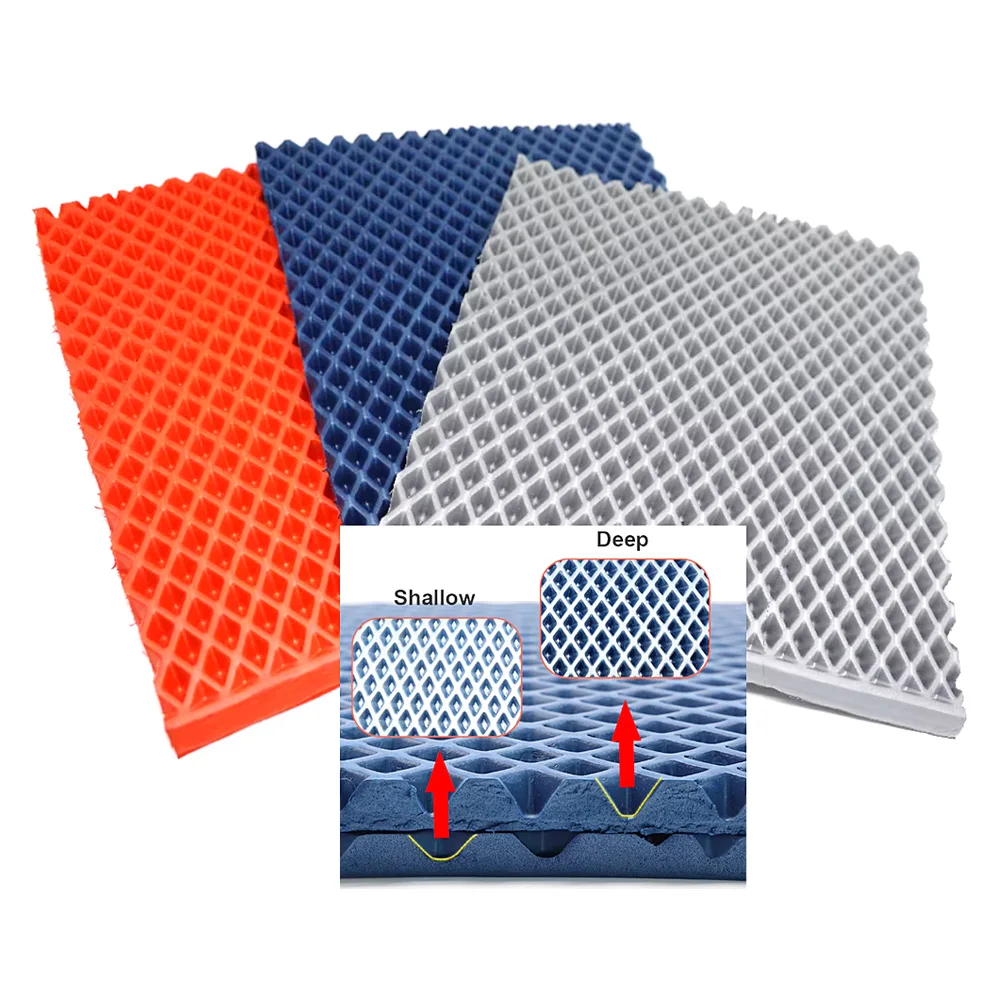
Closed-Cell Structure: The tiny bubbles (cells) within the foam are sealed off from each other. This creates a physical barrier that prevents water and most other liquids from penetrating the material’s core. When exposed to moisture, water may bead up and sit on the surface, but it will not soak through easily.
Material Composition: EVA copolymer itself is non-polar and exhibits low water absorption. This inherent property, combined with the closed-cell design, makes EVA foam highly resistant to water damage, mold, and mildew—a crucial factor for applications in humid environments or for products requiring frequent cleaning.
Performance Spectrum: It’s important to note that the degree of waterproofing can be influenced by the foam’s density and formulation. At WEFOAM, we produce EVA foam materials with varying properties, from soft to hard. Higher-density EVA foam sheets often offer even more robust resistance to moisture ingress.
The non-absorbent, smooth surface of EVA foam products makes them remarkably easy to clean and maintain, contributing to their longevity and hygiene.
a.Wipe Down: Use a dry cloth or a vacuum with a soft brush attachment to remove loose debris.
b.Damp Cloth Wash: For general cleaning, a mild soap solution (mixed with lukewarm water) and a soft cloth or sponge are perfectly adequate. Gently wipe the surface.
c.Rinse & Dry: Wipe with a clean, damp cloth to remove any soap residue. Allow the foam sheet to air dry completely. Its quick-drying nature is a significant advantage.
a.Spot Test: Always test your cleaning method on a small, inconspicuous area first.
b.Mild Detergent: Apply a small amount of mild detergent directly to the stain and gently scrub with a soft-bristled brush.
c.Isopropyl Alcohol: For tougher stains like ink or adhesive residue, isopropyl alcohol (rubbing alcohol) on a cloth can be effective. Use sparingly and ensure the area is well-ventilated.
d.Rinse Thoroughly: Remove all cleaning agents with a damp cloth and air dry.
Avoid Harsh Chemicals: Do not use abrasive cleaners, bleach, strong solvents (like acetone or paint thinner), or high-pressure washers, as these can degrade the foam’s surface, causing discoloration or compromising its structure.
Avoid Extreme Heat: Do not use boiling water or place near intense heat sources to dry, as excessive heat can warp or deform the foam.
At WEFOAM, we see our materials in action globally. The waterproof and easy-clean features of our EVA foam materials are pivotal in these sectors:
Sporting Goods & Gym Equipment: Yoga mats, gym flooring pads, and exercise mats benefit from being wiped down after each use, maintaining hygiene and durability in high-sweat environments.
Footwear: Insoles and mid-soles in sports shoes resist foot perspiration, keeping the shoe structure intact and reducing odors.
Marine & Outdoor: For marine decking, boat fenders, and camping mats, resistance to water, mildew, and easy cleaning is essential for safety and longevity in harsh conditions.
Packaging: Protective inserts for sensitive electronics or medical equipment can be cleaned if contaminated, ensuring reusable or safe transport.
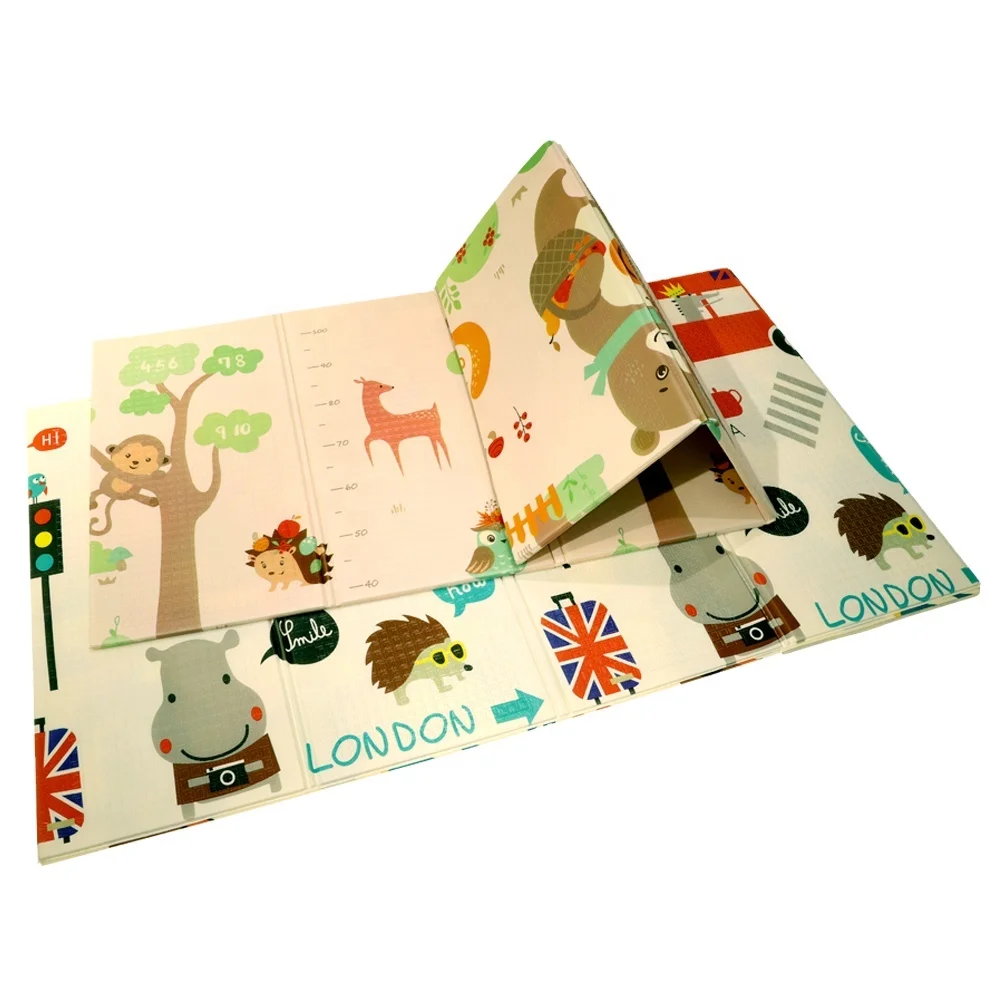
Consumer & DIY: Craft mats, children's play mats, and slippers can be easily maintained for continued hygiene and appearance.
Our expertise allows us to enhance these inherent properties through advanced custom processing:
Fabric or Leather Lamination: Applying a laminated layer can create an even smoother, more impermeable surface that is exceptionally easy to wipe clean, ideal for high-end luggage interiors or gym equipment.
Density Formulation: By engineering specific densities and cross-linking levels, we can optimize the balance between water resistance, elasticity, and cleanability for your exact need.
Surface Treatments: Specific treatments can be applied to further reduce surface adhesion of dirt or enhance liquid beading.
At the Sansd Group, we go beyond material performance by integrating eco-conscious practices into our manufacturing. Our advanced melt/thermal separation method enables the efficient closed-loop recycling of EVA foam materials. This innovative approach, supported by research from experts in polymer science and environmental engineering, allows for the recovery and reuse of foam components with minimal degradation of material properties. As noted by industry scholars, such methods significantly reduce waste and promote a circular economy, reinforcing Sansd’s role as a leader in sustainable foam solutions.
EVA foam sheets stand out as a superior material choice where moisture resistance and low maintenance are priorities. Their closed-cell structure provides excellent waterproof qualities, while their non-porous surface allows for easy cleaning with simple, mild methods. As a global leader in foam manufacturing, QUANZHOU WEFOAM TRADING CO., LTD provides not only high-standard EVA, PE, EPDM, and TPE foam materials but also the technical knowledge to help you select and customize the perfect material for waterproof, durable, and easy-to-clean applications across industries from sports shoes to marine decking.
Q1: Can EVA foam be submerged in water for long periods?
A: While EVA foam is highly water-resistant and will not absorb water quickly, prolonged or constant submersion is not recommended. Over extended periods, minimal moisture penetration may occur at the microscopic level. It is best suited for applications with frequent water exposure (like marine decking or mats) that also allow for drying, not permanent submersion.
Q2: Is EVA foam safe and easy to clean for children's products like play mats or toys?
A: Absolutely. The non-toxic nature of EVA foam, combined with its easy-clean surface, makes it a popular choice for children's products. Stains from drinks, clays, or foods can be wiped off with a mild soap solution. Its waterproof quality also prevents lingering dampness that could harbor bacteria. Always ensure the product uses certified child-safe materials.
Q3: How does the cleanability of EVA foam compare to PE or EPDM foam?
A: All three are closed-cell foams, sharing good water resistance and cleanability. The primary difference lies in surface texture and chemical resistance. Smooth EVA foam sheets are very easy to wipe down. PE foam is similarly easy to clean. EPDM foam, often used for more rugged outdoor applications, is also highly resistant but may have a slightly more textured surface. The best choice depends on the specific requirement for elasticity, weather resistance, and surface feel.
Q4: Will harsh cleaning agents make my EVA foam product cleaner or more sterile?
A: No. Harsh chemicals like bleach or strong solvents are unnecessary and can be damaging. They can break down the polymer surface, causing cracking, fading, or a sticky residue. For hygiene, a mild detergent or a diluted disinfectant suitable for plastics is sufficient. The key is regular cleaning and ensuring the product dries completely, which naturally inhibits microbial growth.
 Hot News
2026-06-05
2026-03-06
2026-02-04
2025-03-26
2025-03-24
2025-03-21
QUANZHOU WEFOAM TRADING CO.,LTD has always being specialized in eva foam sheet , eva foam roll,rubber sheet,silicone foam,including sport shoes , Ladies and Man flip Flop , Unisex Slide , yoga mat and various mats.
Room 1101, Feili Center, 72 Daxing Street, Quanzhou, Fujian, China
Copyright © 2025 by QUANZHOU WEFOAM TRADING CO., LTD Privacy Policy

 EN
EN