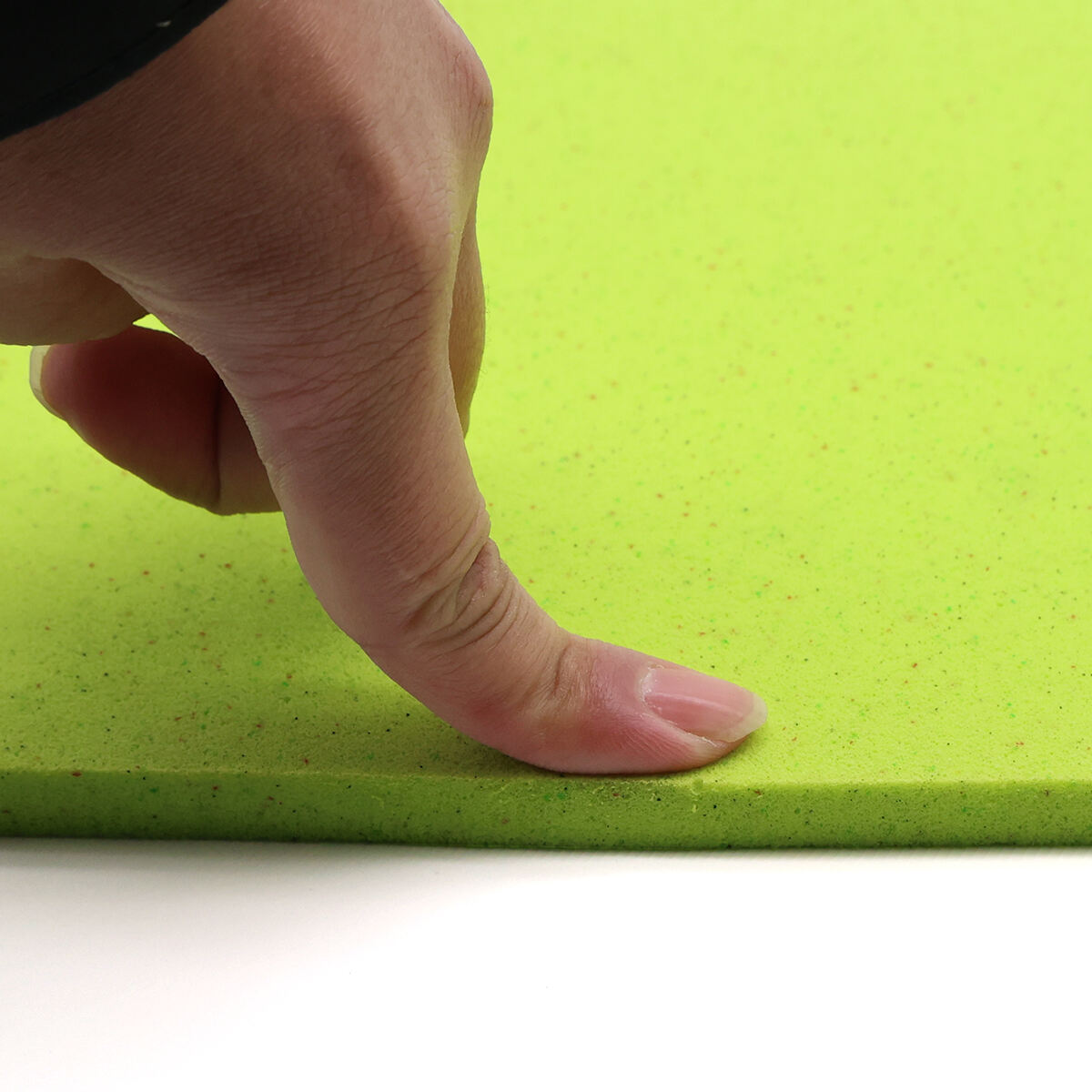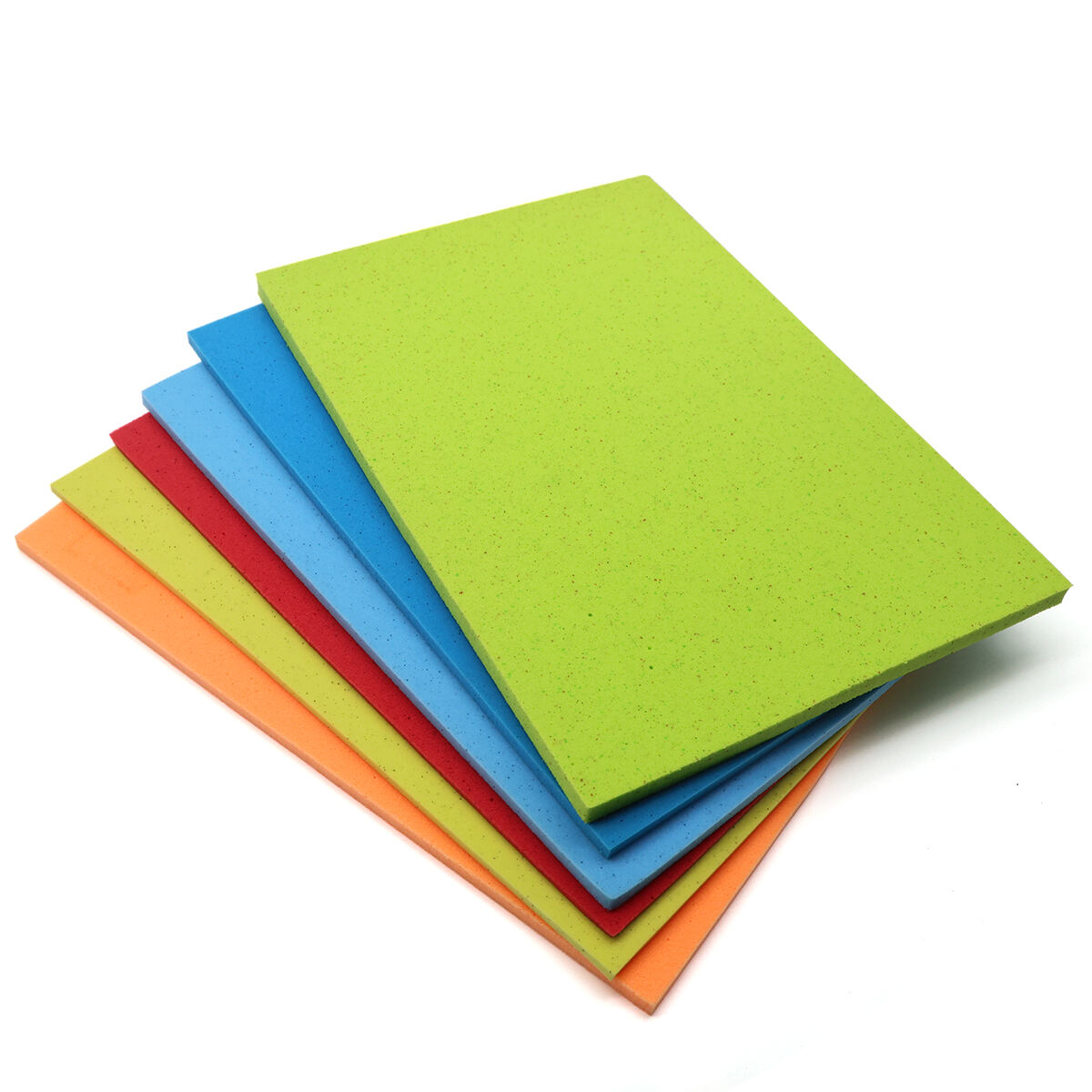
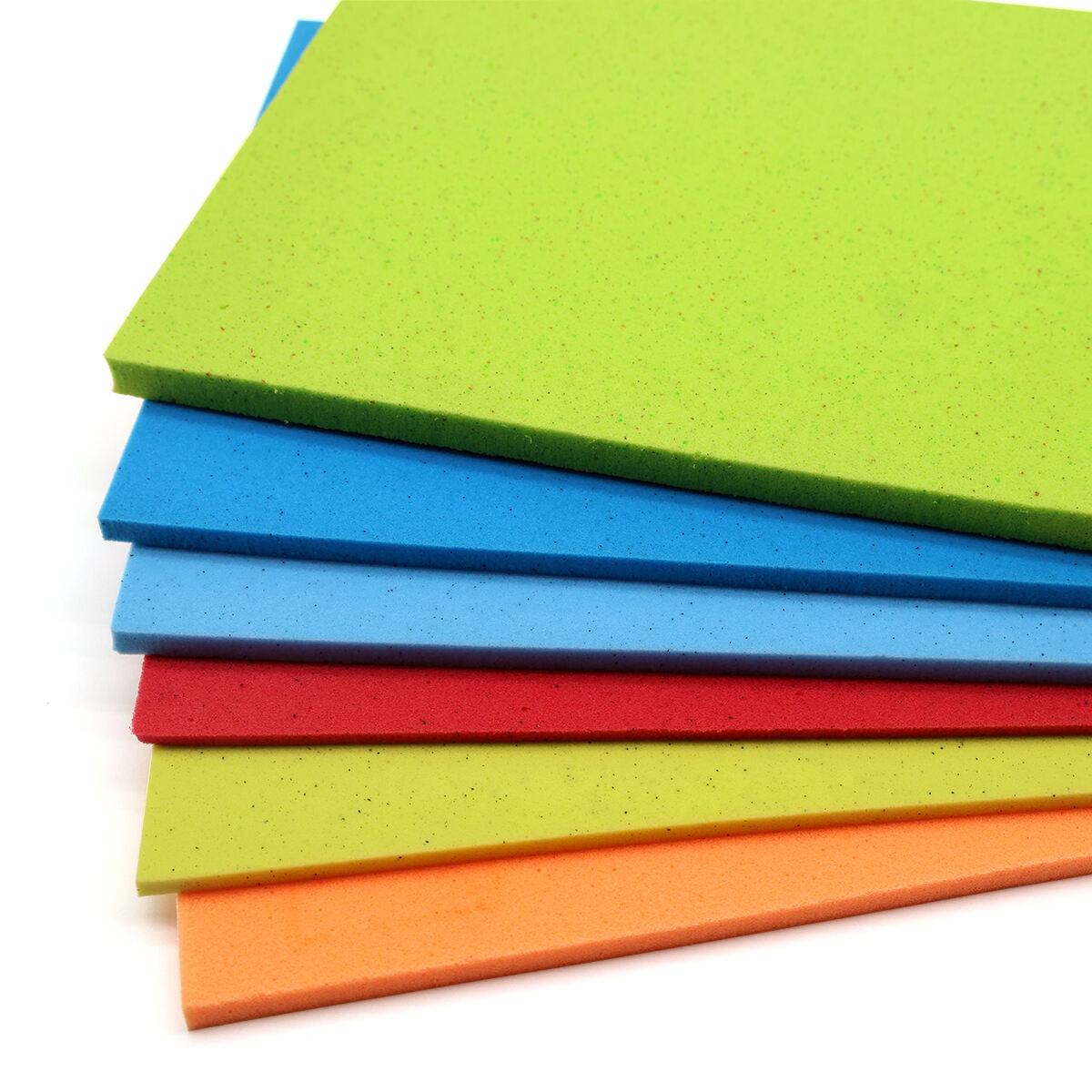
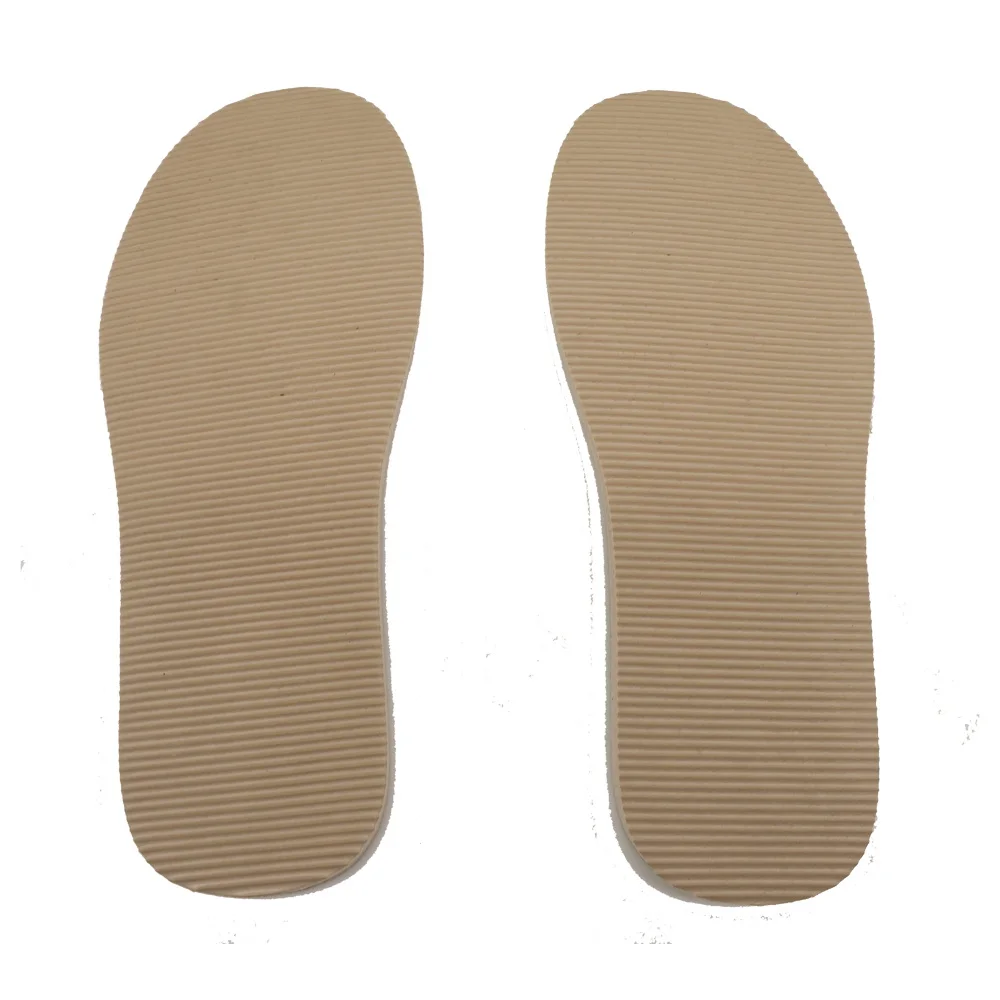
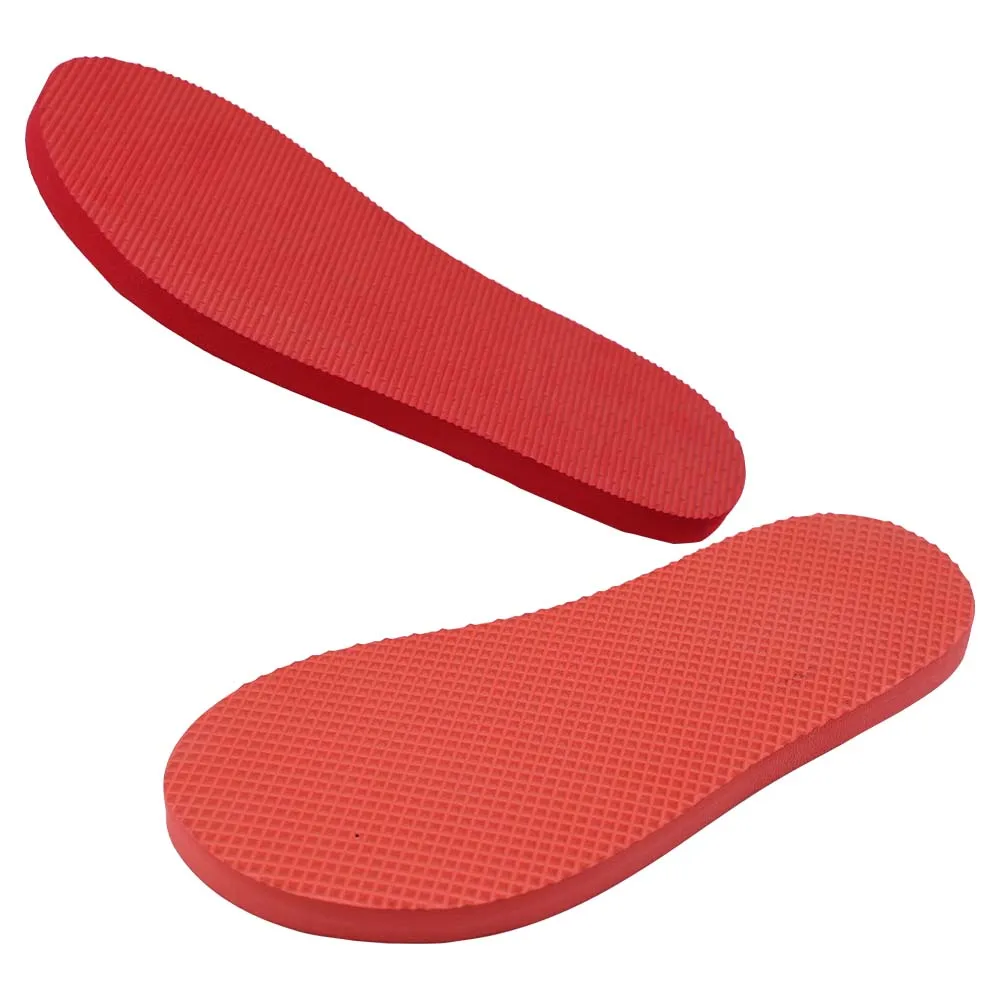
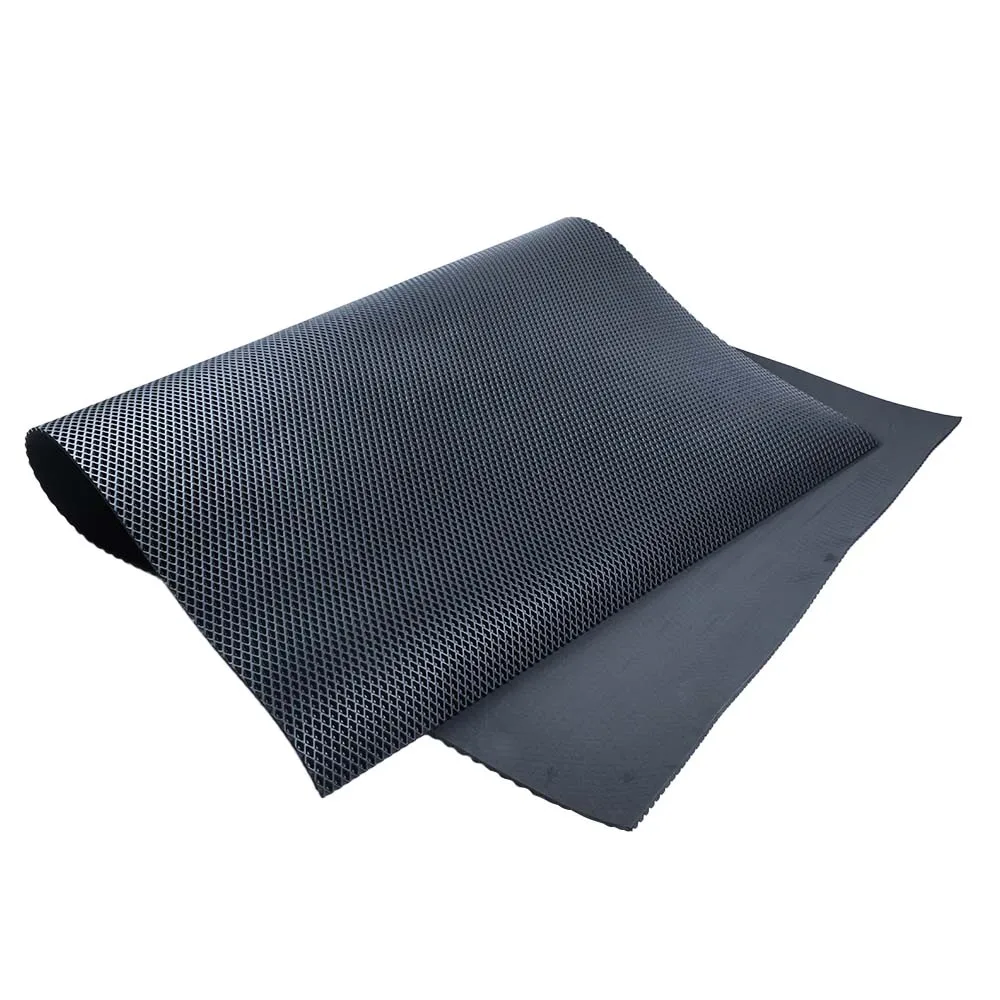

PU foam material for sports shoes represents a cutting-edge solution tailored specifically to meet the exacting demands of modern athletic footwear. This specialized formulation is engineered with a comprehensive understanding of the biomechanics of the human foot and the rigors of various sports activities. Combining lightweight construction with superior cushioning capabilities, it is a crucial component in the design of high-performance sports shoes. The foam can be produced with either open-cell or closed-cell structures, each offering distinct advantages depending on the specific requirements of the footwear. Open-cell foams, for instance, provide enhanced breathability, helping to keep feet cool and dry during intense workouts, while closed-cell foams offer superior moisture resistance and durability. To address common foot health concerns, features such as moisture-wicking additives and antimicrobial treatments are often integrated into the foam. These additives not only prevent the buildup of sweat and odor but also reduce the risk of fungal and bacterial infections, promoting overall foot hygiene. In sports shoes, the PU foam material is strategically placed in critical areas such as the midsoles, insoles, and heel counters. In the midsole, its compressive strength and excellent rebound properties play a vital role in reducing fatigue and enhancing athletic performance by efficiently absorbing the impact of each step and providing a responsive springback effect. In the insole, it offers customized comfort, conforming to the unique shape of the foot to provide optimal support. In the heel counter, it provides stability and protection, reducing the risk of ankle injuries. Advanced molding techniques like injection molding and die-cutting are employed to achieve precise geometries that are tailored to the specific needs of different sports. For example, running shoes may require a higher energy return in the forefoot area to facilitate a more efficient stride, while basketball shoes need robust lateral support to accommodate quick cuts and jumps. Density variations within the foam, ranging from 30-100 kg/m³, allow for further customization, enabling manufacturers to fine-tune the performance characteristics of the shoes for specific sports and activities. The material's adaptability to ergonomic designs ensures a comfortable fit, while its resistance to degradation from sweat and mechanical stress guarantees long-lasting performance, making it an indispensable part of modern sports footwear technology. Additionally, ongoing research is focused on developing new formulations that can integrate with smart technologies, such as sensors, to provide real-time feedback on foot health and performance, taking sports footwear to the next level of innovation.