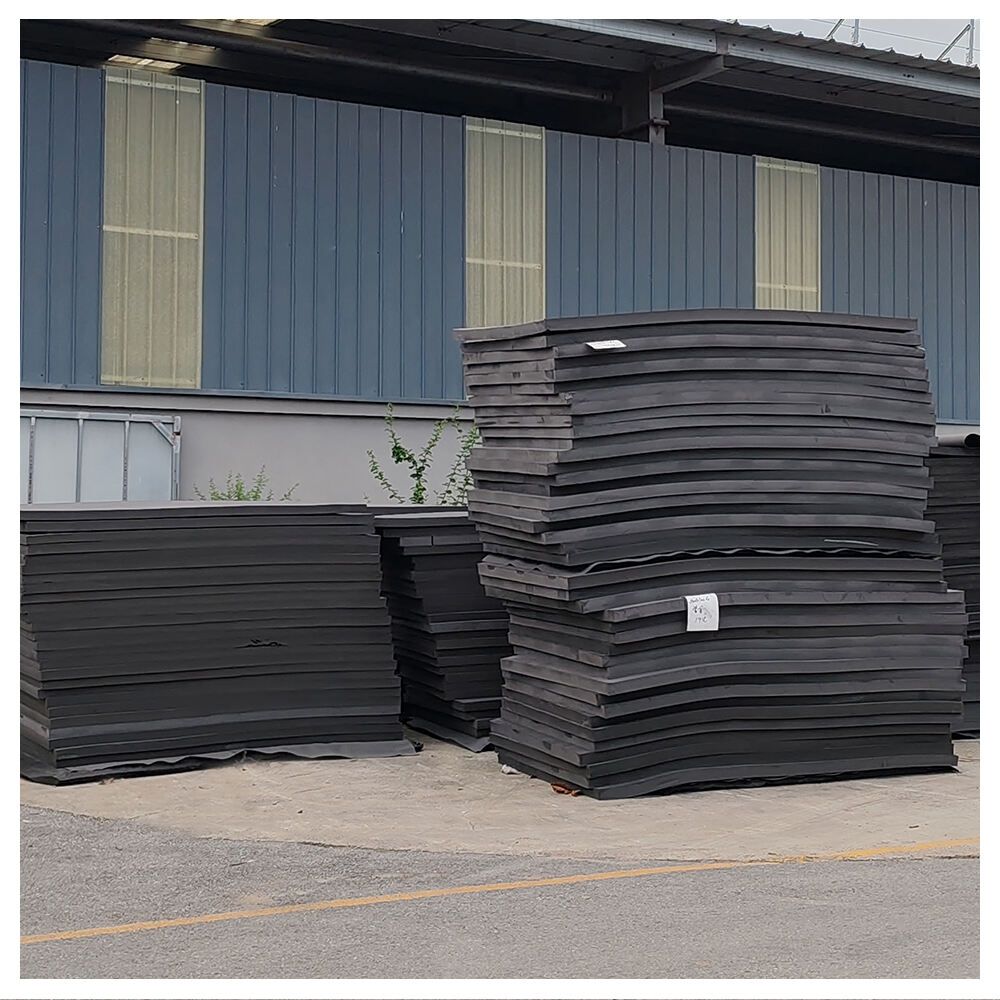
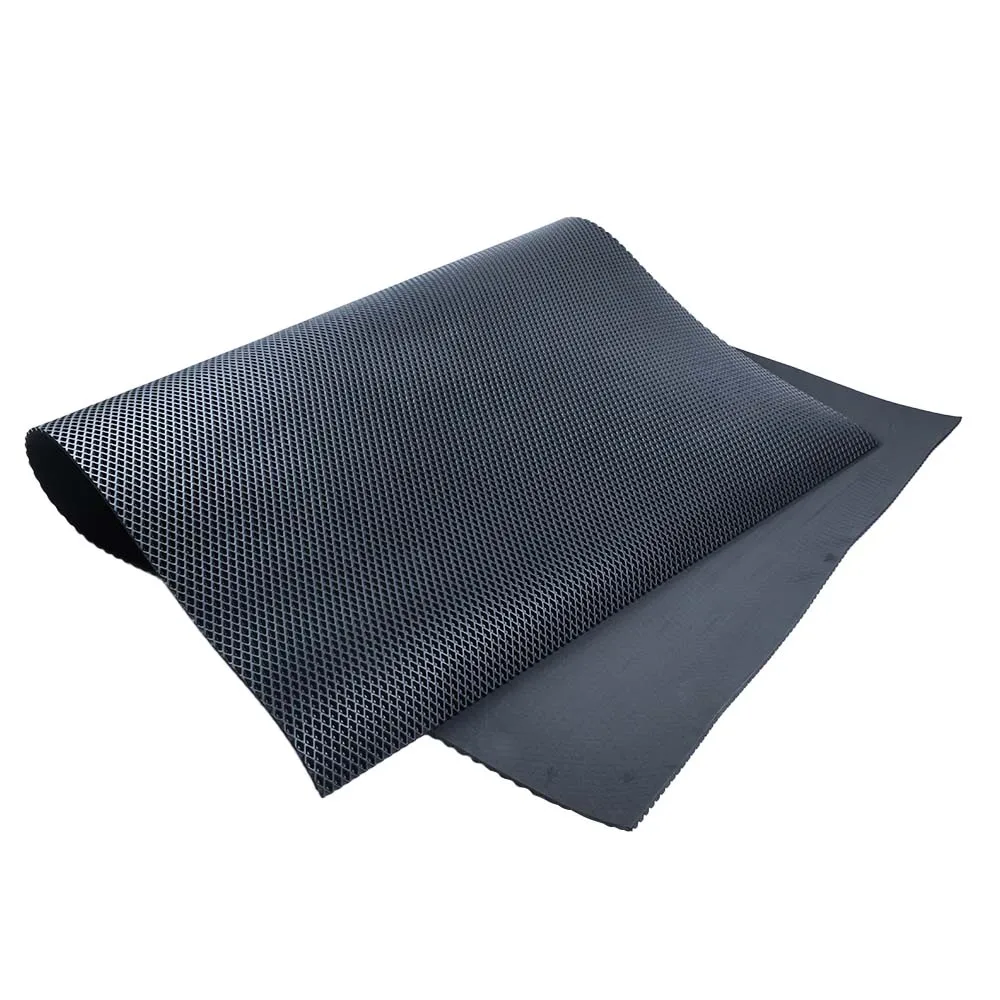
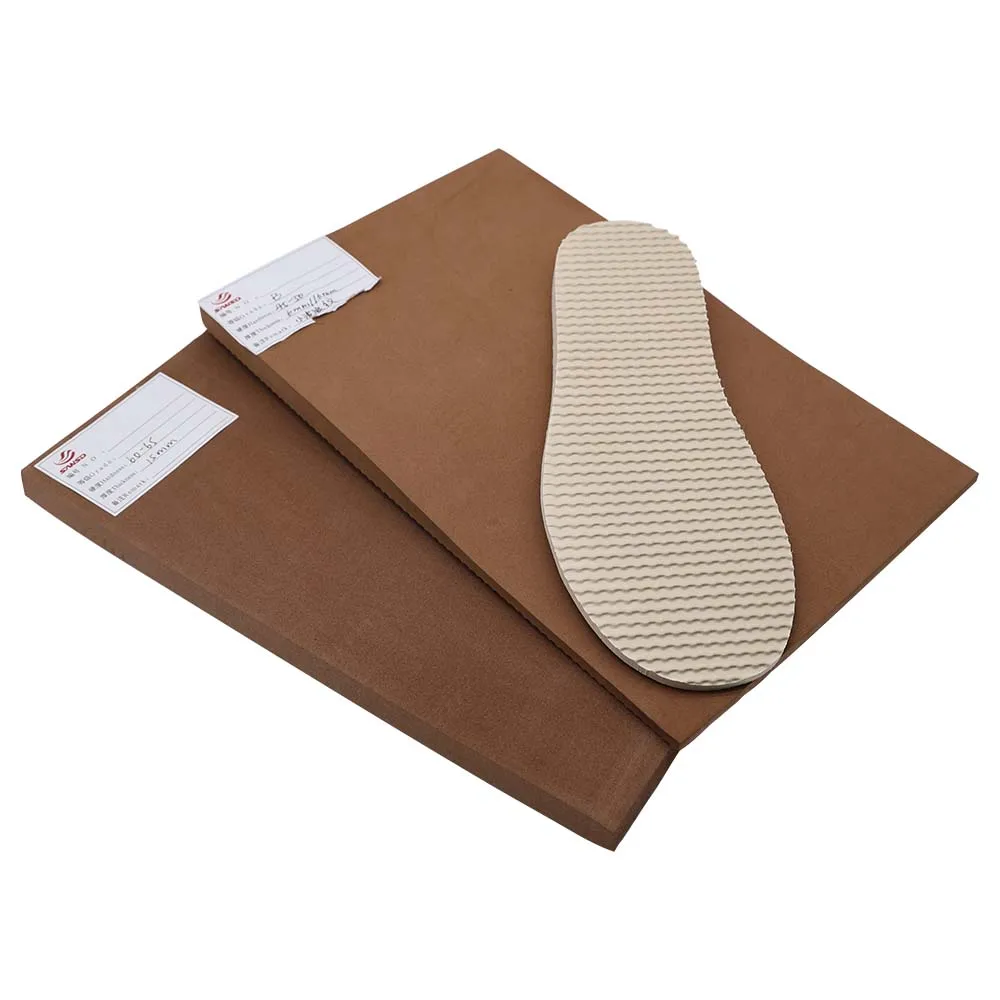
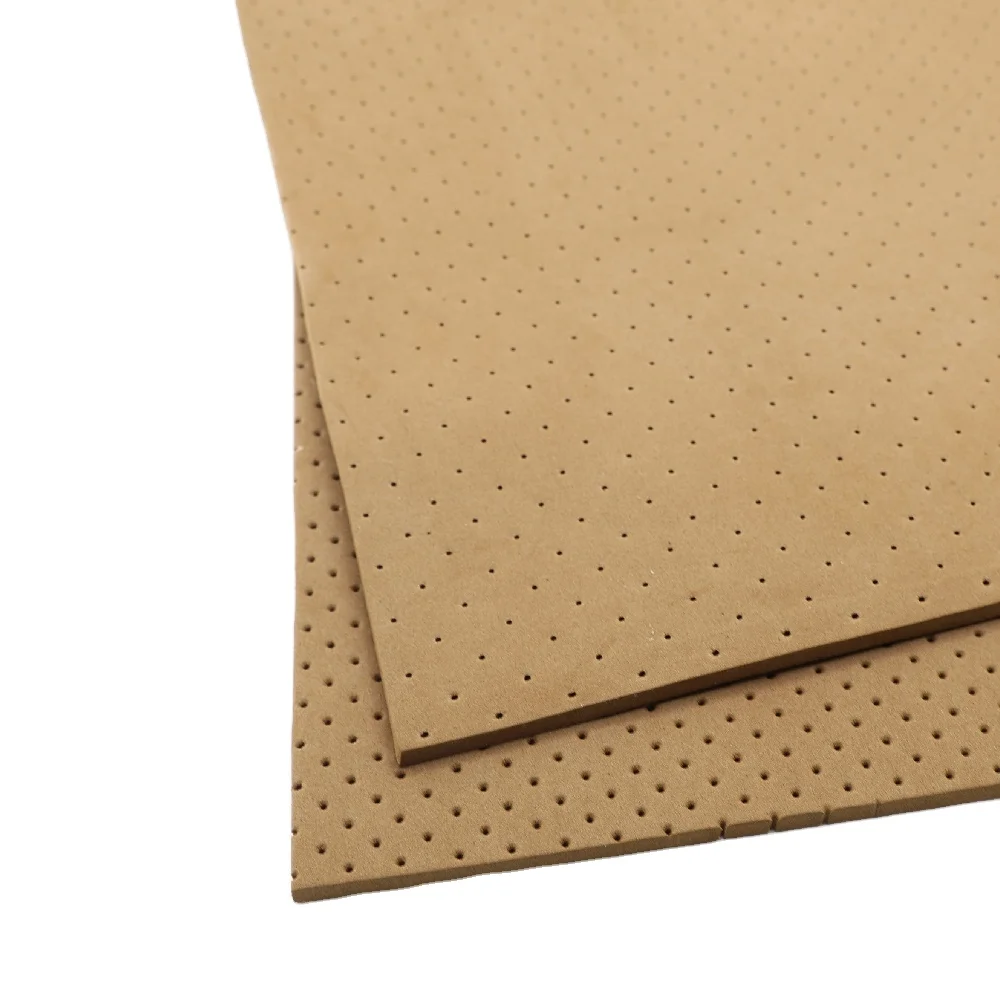
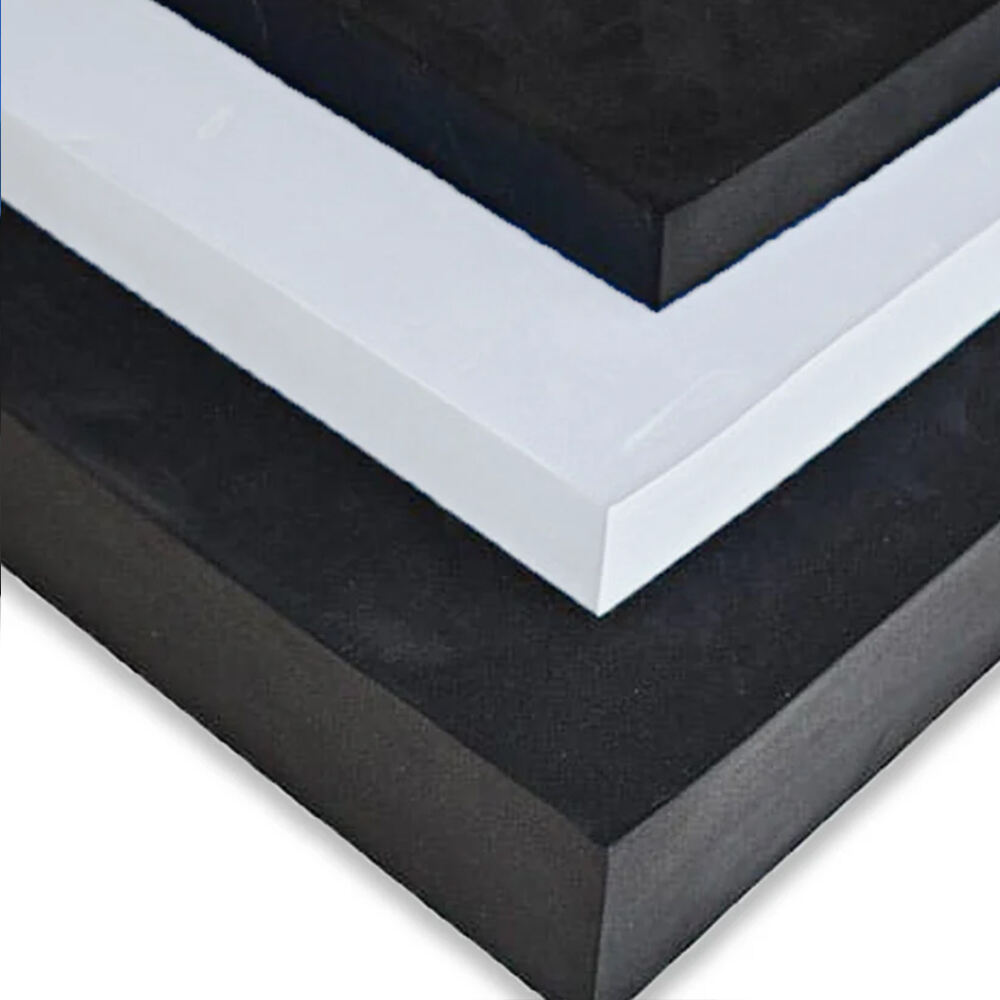
In the diverse universe of polymer foams, the distinction between open-cell and closed-cell structures is fundamental, dictating a material's core functionality. Open Cell EVA Foam, our specialty, is characterized by interconnected pores that create a permeable, breathable matrix. This deliberate architecture unlocks a set of properties that are critical for advanced applications where traditional closed-cell foams fall short, primarily in managing the microclimate between the material and the user or object.
The primary technical advantage of open-cell EVA is its permeability to gases and vapors. The interconnected network of cells allows air to circulate freely through the material. This passive ventilation is crucial for thermoregulation. In products worn against the skin—such as orthopedic braces, helmet padding, or insoles—this airflow dissipates heat and moisture, significantly reducing discomfort, sweat accumulation, and the risk of skin irritation. This makes it a superior choice for medical devices, athletic gear, and any comfort product designed for extended wear. Furthermore, this structure gives the foam a remarkably low compression set, meaning it is highly resistant to permanently losing its thickness after prolonged compression, a key durability metric for cushioning applications.
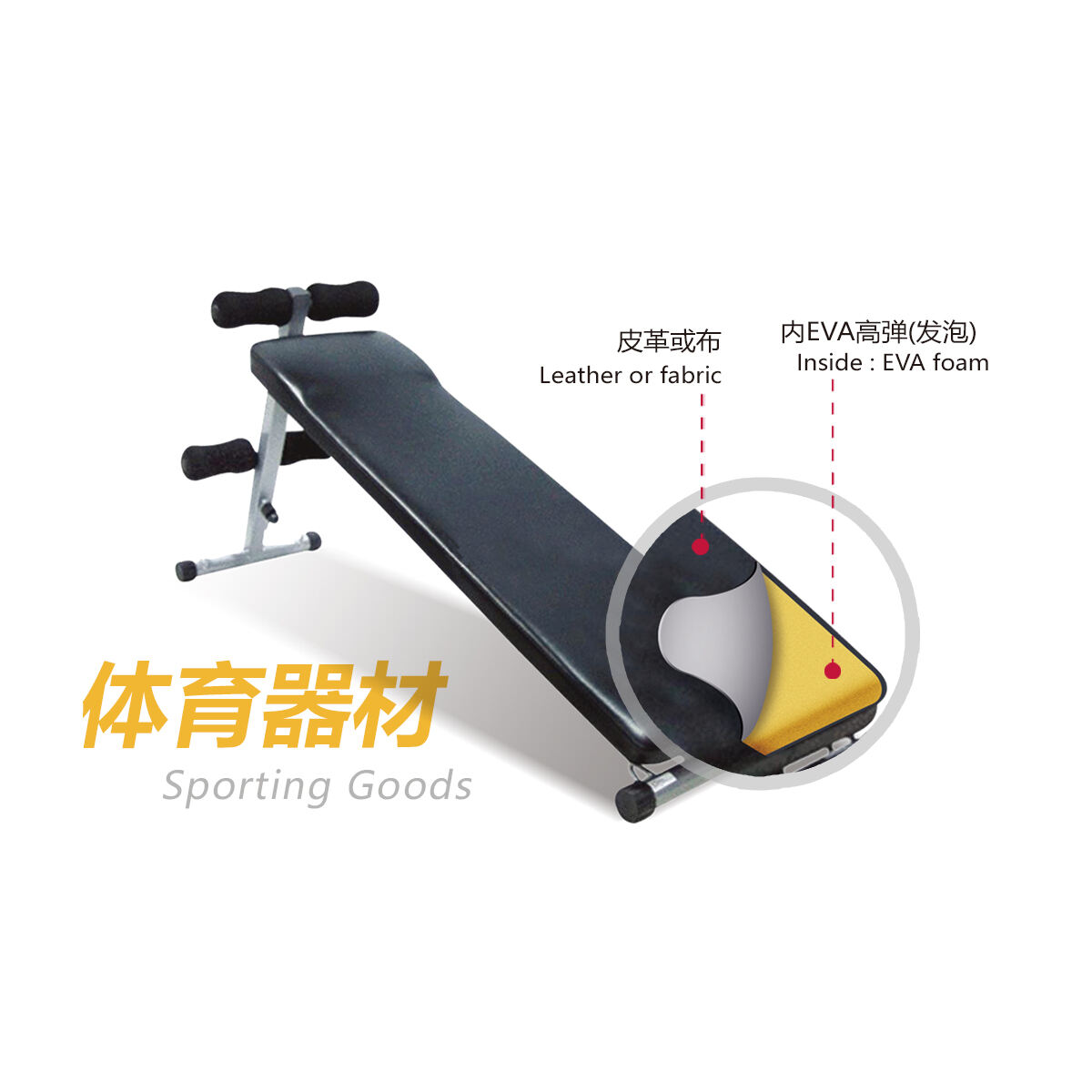
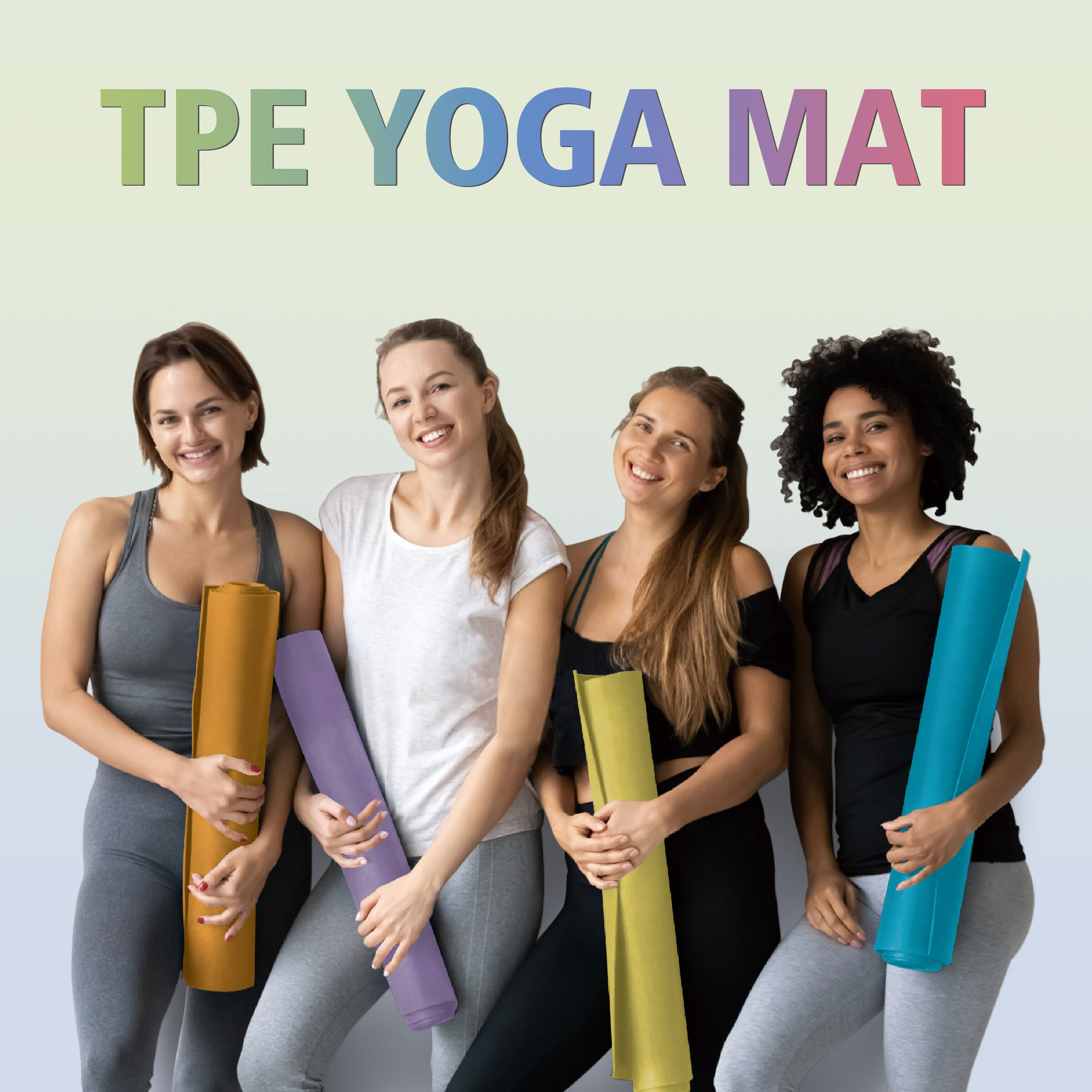
The mechanical behavior of open-cell EVA is distinct. Under load, the cell walls bend and the air within the cells is displaced, leading to a smoother, more progressive compression curve compared to the more immediate resistance of closed-cell foam. This results in a softer, more conforming feel that gently distributes pressure over a wider area. This property is invaluable in pressure-relief applications, such as in wheelchair seats or hospital bed overlays, where preventing pressure ulcers is paramount. It also provides exceptional shock absorption in low-impact scenarios, protecting delicate packaged goods or offering gentle support in fitness mats.
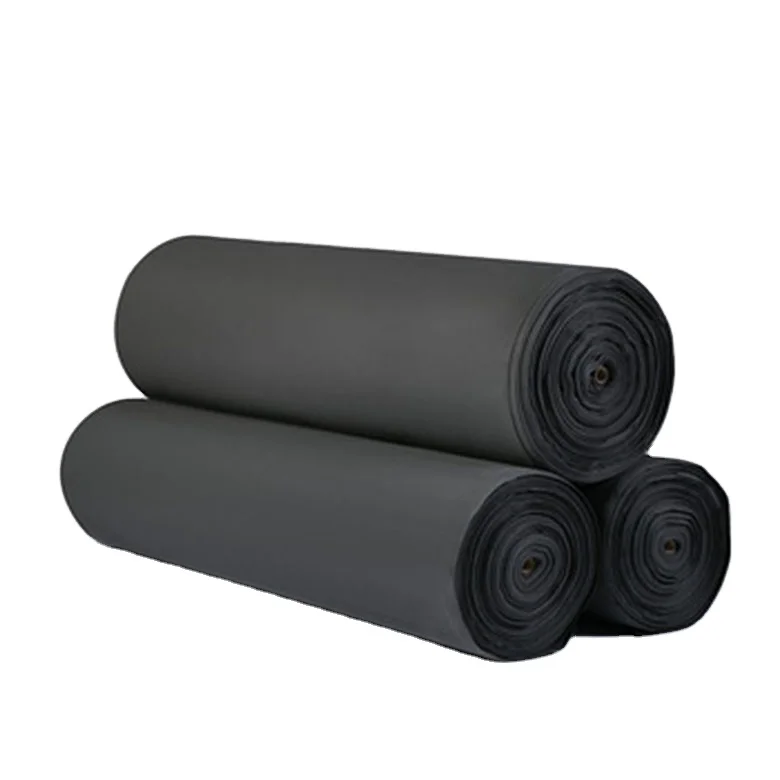
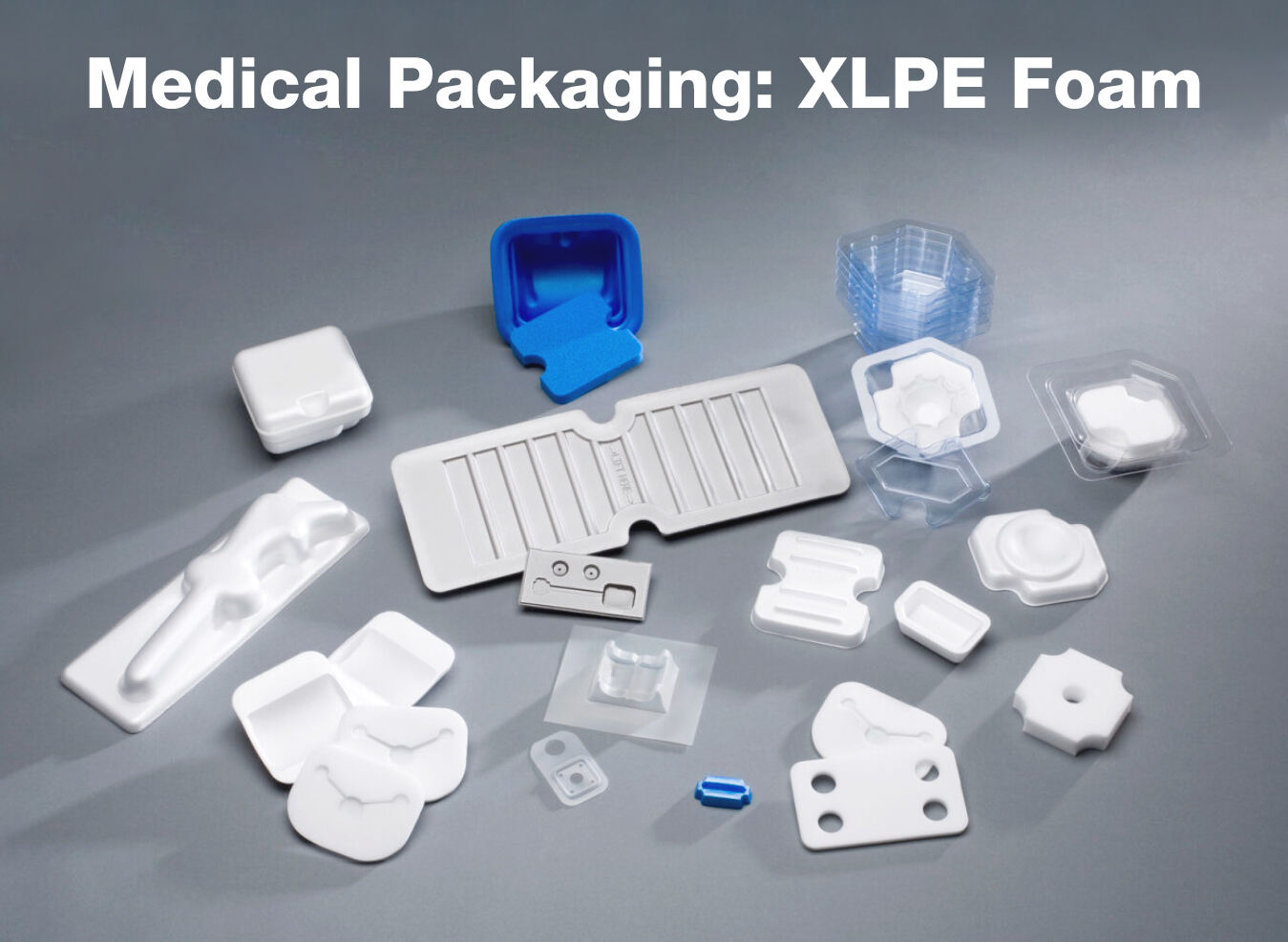
However, this very permeability defines its limitations and thus its ideal use cases. Open-cell EVA is not inherently waterproof; liquids can penetrate its structure. Therefore, its application in marine or wet environments requires careful design consideration, often involving lamination with a waterproof layer. This is where our custom processing capabilities become essential. We can transform raw open-cell EVA sheets into finished components: laminating a waterproof film on one side for a stadium seat cushion, or a moisture-wicking fabric on top for an insole. We can precision-die cut it into complex shapes for prosthetic liners or mold it into contoured helmet interiors.
Selecting the right specification is crucial. We work with clients to determine the optimal density (often measured in kilograms per cubic meter), which affects the foam's weight, firmness, and longevity. A lower-density open-cell EVA will be lighter and more pliable, perfect for lightweight packaging or comfort layers. A higher-density formulation will offer more support and durability for heavy-use items like industrial anti-fatigue mats. The thickness is another key variable, directly influencing the depth of cushioning and pressure distribution.
Ultimately, choosing Open Cell EVA Foam is a deliberate engineering decision for breathability, superior pressure relief, and soft conformability. For product designers and engineers in the medical, sports, orthotic, and premium packaging fields, it solves specific problems that other materials cannot. Partnering with an experienced manufacturer like us ensures you receive not just a material with the correct structure, but one that is precisely formulated, consistently produced, and expertly finished to perform reliably in your final product, enhancing both functionality and user comfort.

 EN
EN