
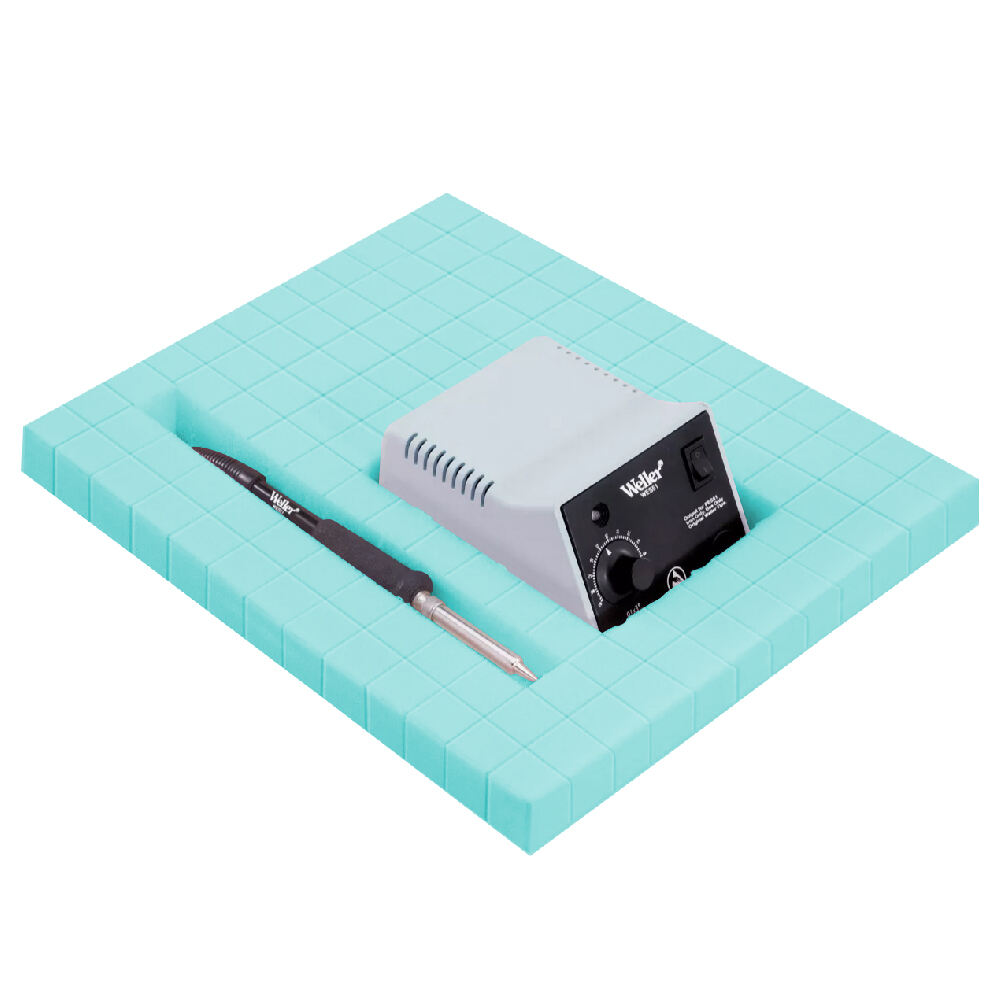
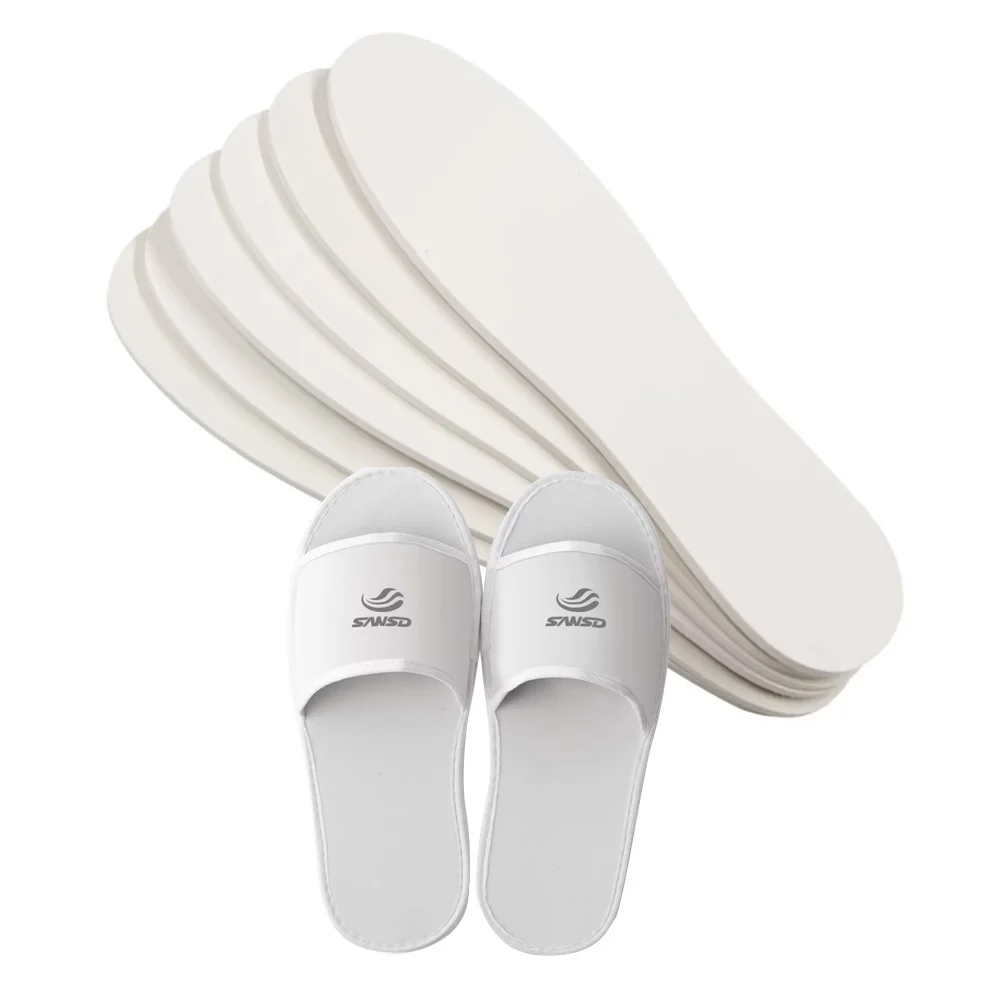
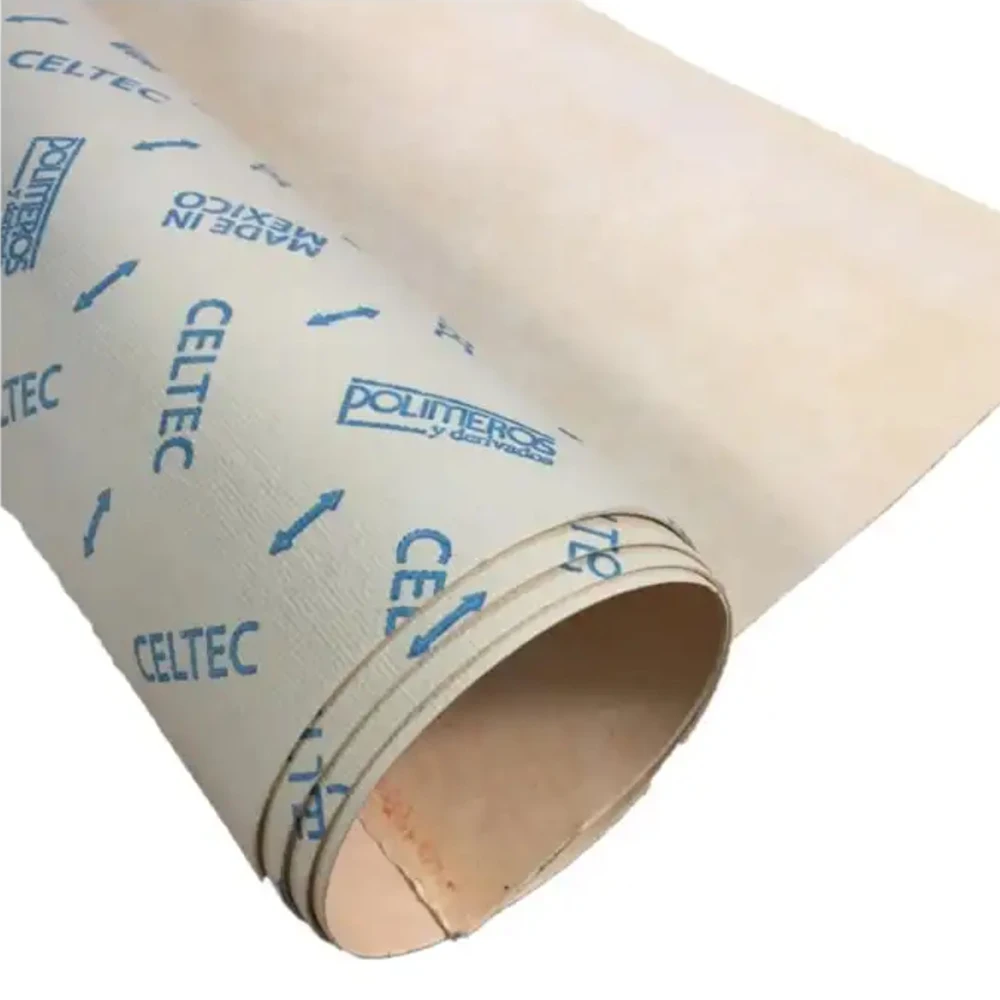
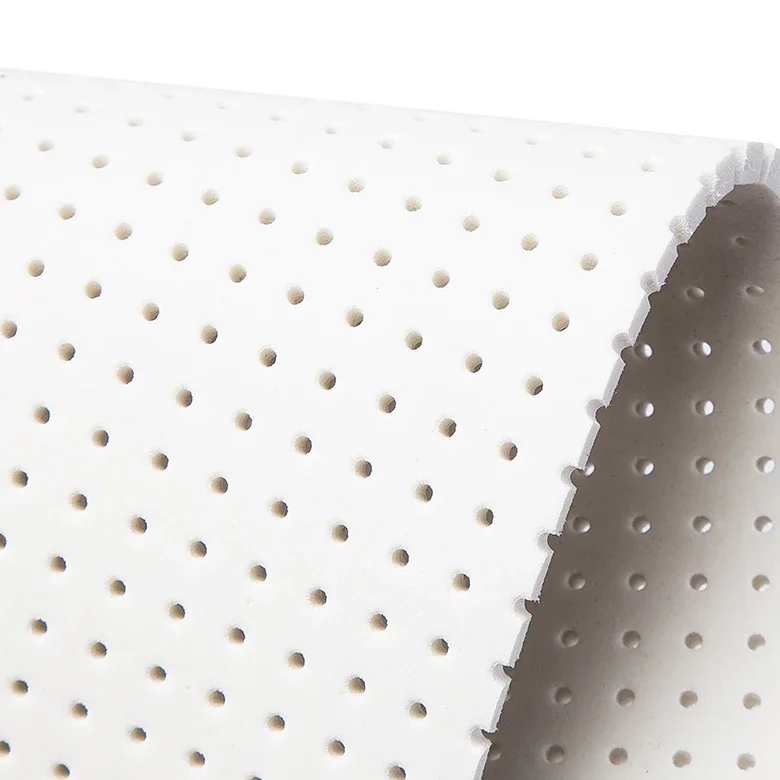
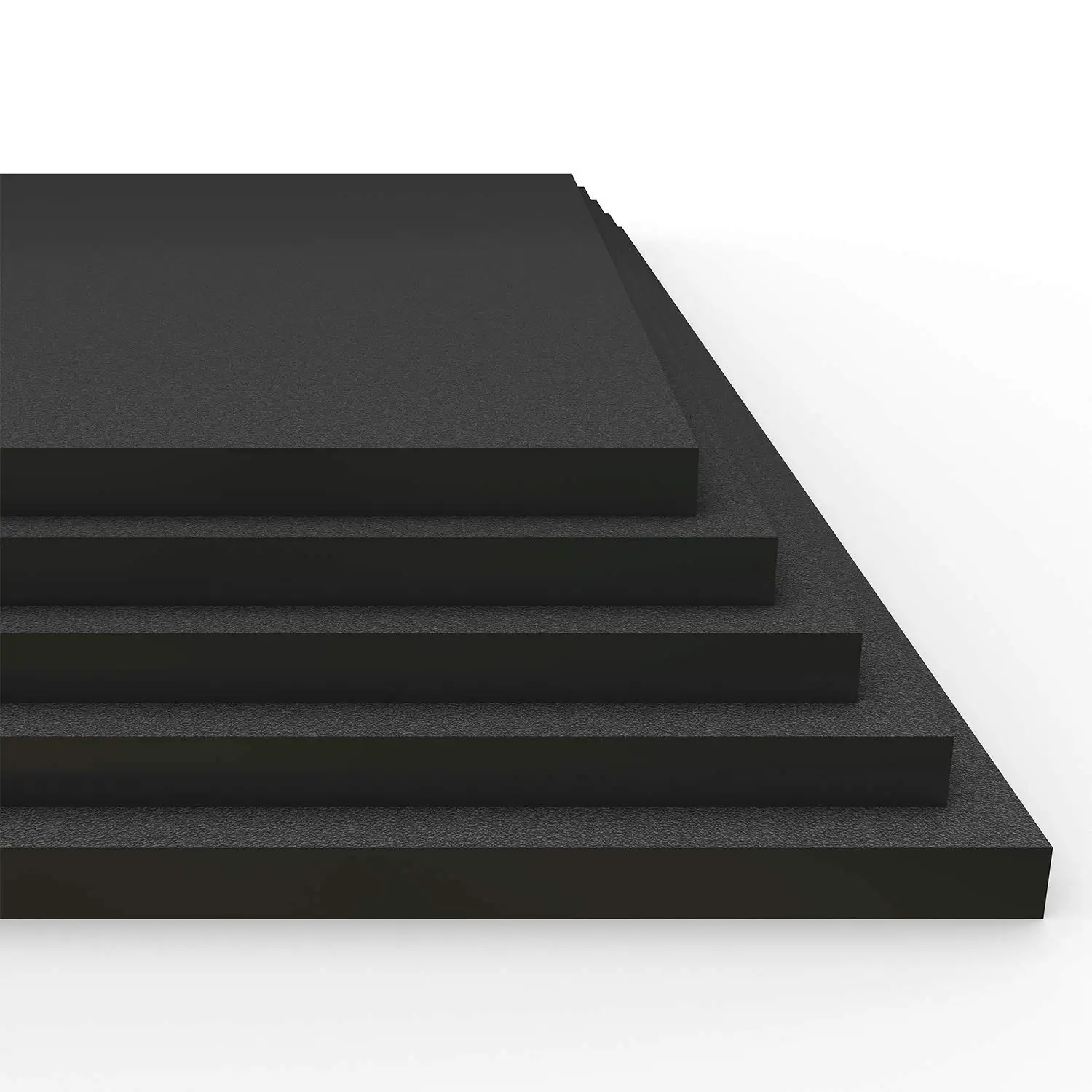
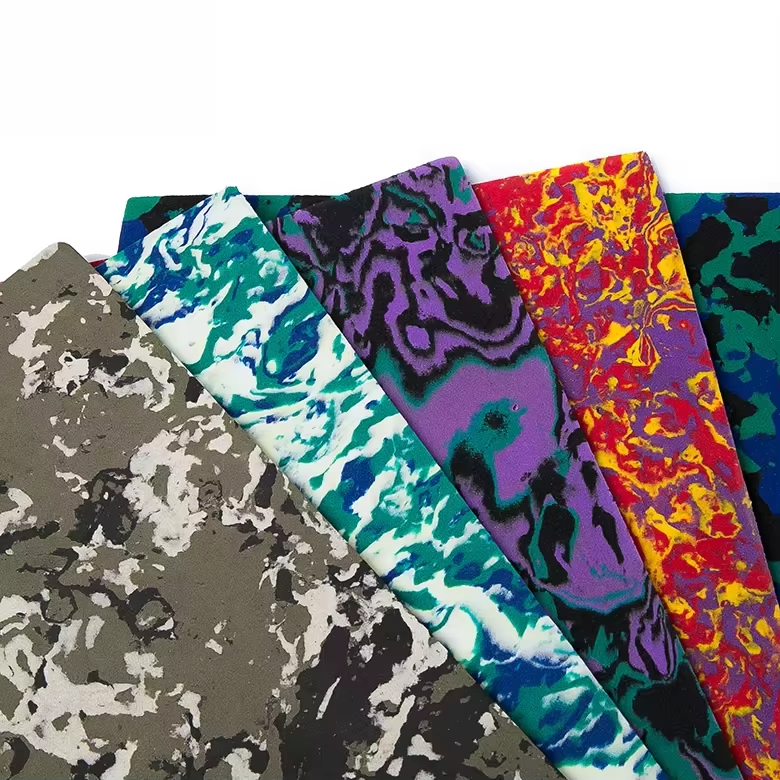
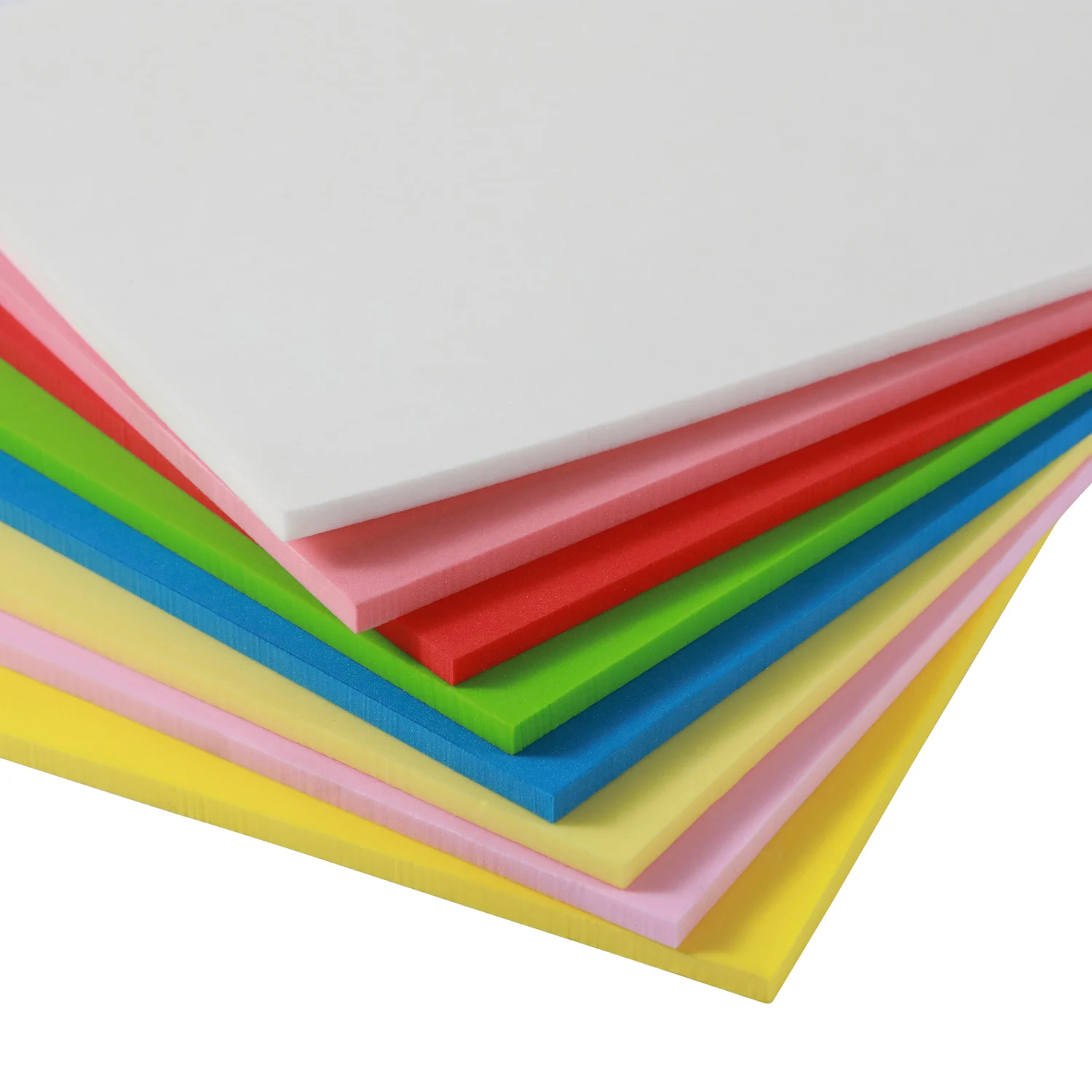
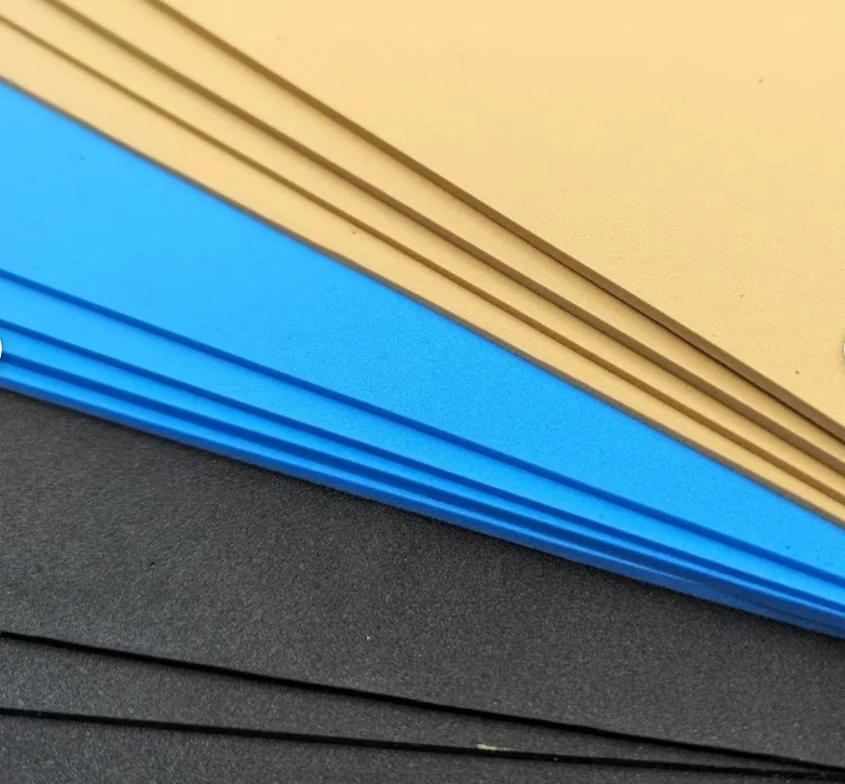
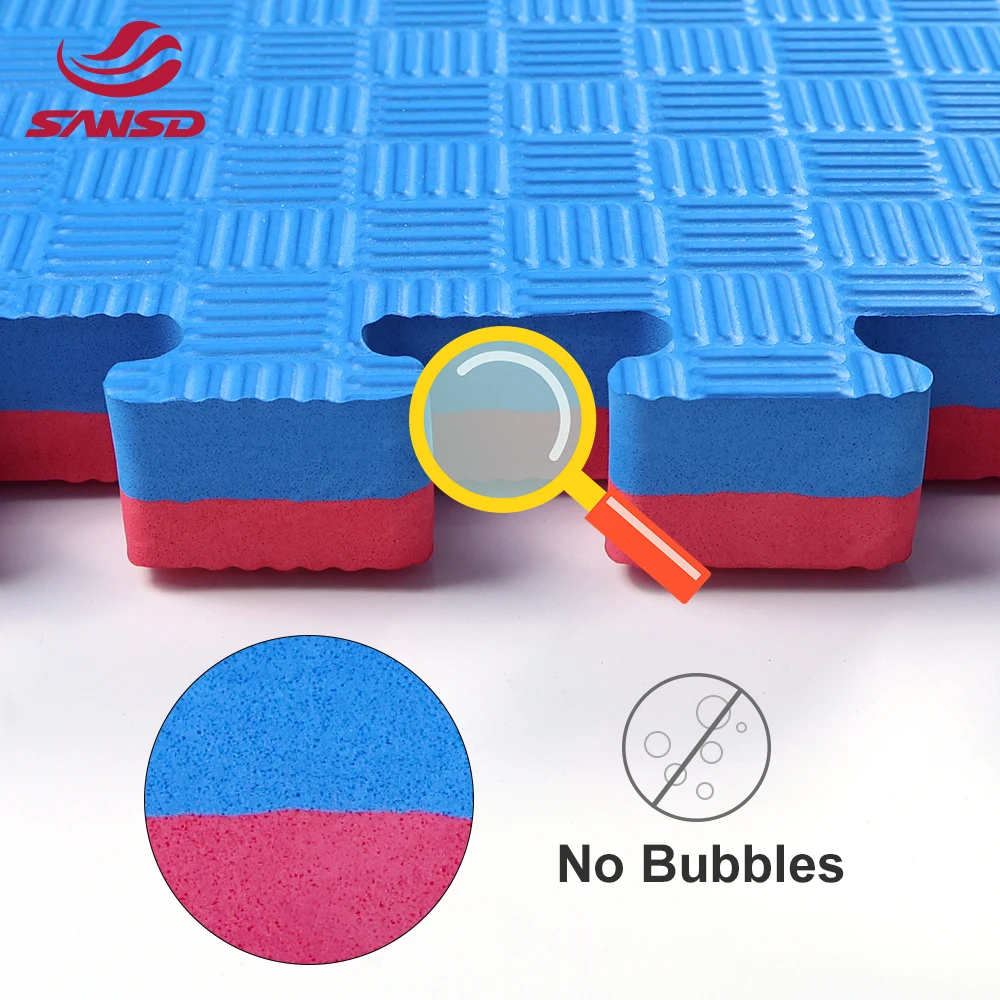
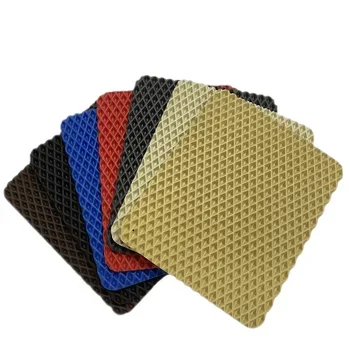
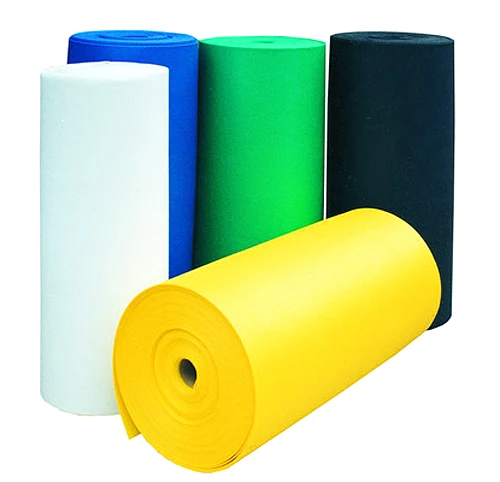
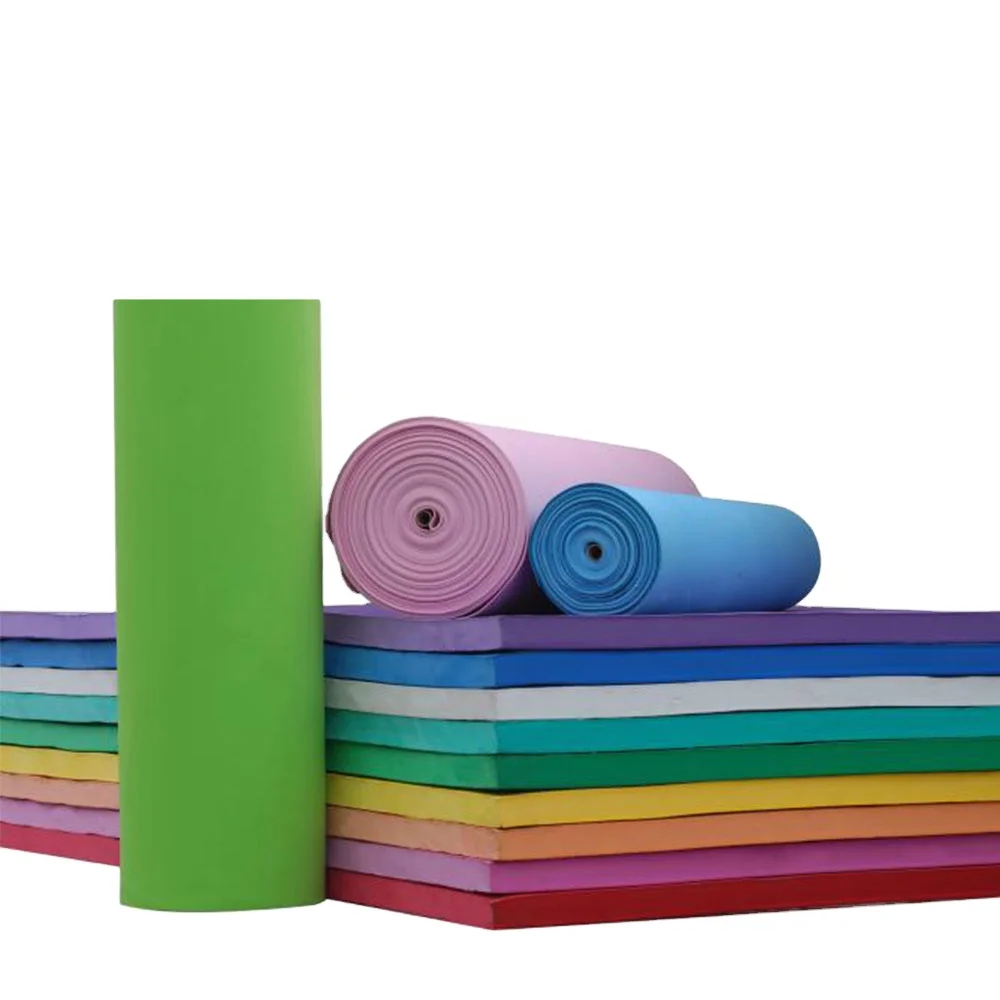
From a material science perspective, EVA foam's properties stem from the copolymerization of ethylene and vinyl acetate. The percentage of vinyl acetate (VA content) directly influences its flexibility, softness, and clarity. Higher VA content yields a more rubber-like, flexible material with improved adhesion properties. The cross-linking density achieved during manufacturing determines its compression set, resilience, and load-bearing capacity. This scientific control allows for tailored material solutions. In the realm of safety and protection, EVA foam is a fundamental material. It is used in the production of helmet liners for bicycles, motorcycles, and industrial safety helmets, where its energy management capabilities are critical for mitigating head injuries upon impact. It is also used in protective padding for martial arts, football, and hockey, safeguarding athletes from collisions and falls. In the home, EVA foam is found in child safety products like corner and edge guards for furniture, providing a soft buffer against hard surfaces. Its use in mouse pads and wrist rests offers ergonomic support for computer users, helping to prevent strain injuries. The automotive sector uses it for interior trim components and as a base for carpet underlay. To inquire about our EVA foam products for safety equipment or ergonomic applications and for specific price points, we invite you to contact us for a detailed discussion.